The immune system and allergies: why plants used to ‘boost’ the immune system can sometimes be dangerous
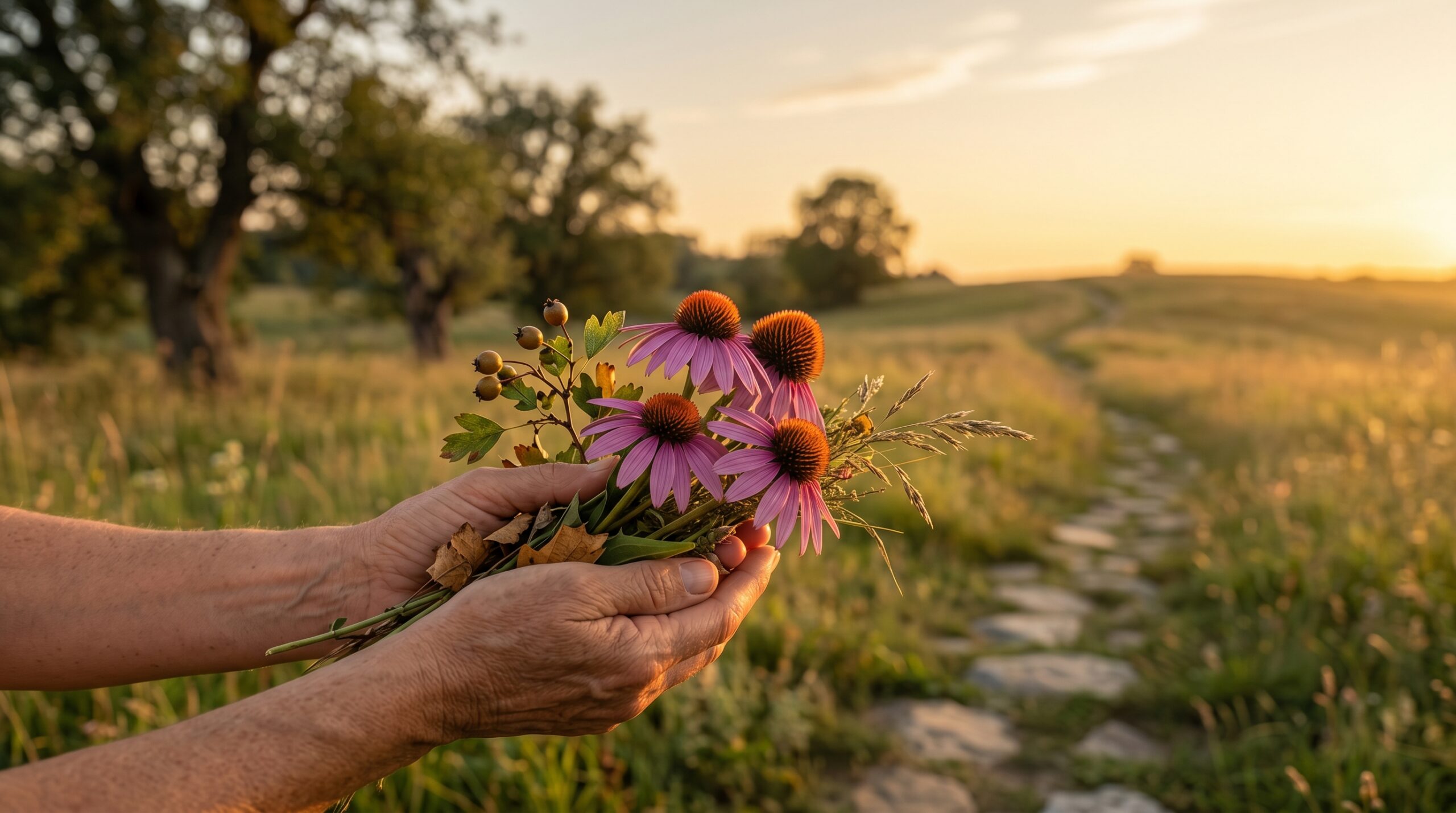
Autoimmune disease or allergies? Find out why trying to ‘boost’ your immunity with plants such as echinacea can be dangerous to your health.
Herbal Herbal Medicine Tips – Check out our expert advice on how to choose the natural drugstore products for your condition: Herbal Medicine, Nutrition, Aromatherapy, Homeopathy, Allopathy.
Herbal medicine: how to treat yourself with plants
Herbal medicine is called herbal therapy (from the Greek phyto = plant and therapeia = care).
It is a therapy which uses plants or galenic forms derived from plants excluding the principles of pure extraction isolated from plants. Thus many galenic forms can be used: herbal teas (infused, decocted, etc.), powders, dry extracts (nebulisates, lyophilisates, etc.), liquid extracts, etc.
Across the world, all ethnic groups have a traditional pharmacopoeia made up of a dozen medicinal plants selected for their effectiveness over the centuries and passed down from generation to generation. This knowledge of medicinal plants has formed into pharmacopoeias, which are collections of knowledge and practices linked to the therapeutic indications of these plants.
The learned medicines of written tradition, Greek, Arab-Persian, Ayurvedic and Chinese based their transmission of medical knowledge on these pharmacopoeias. In Europe, the knowledge of medicinal plants was formalized with Greek medicine developed by Hippocrates from the 4th century BC. In the Middle Ages, Arab-Persian medicine took up the bases of Greek humoral theory and l ‘developed by incorporating plants from Ayurvedic medicine. These Arab-Persian treatises were then translated into Latin from Andalusian Spain in the 13th century and formed the basis of European medicine. In other regions of the world, such as Africa or the Americas, the transmission of knowledge has been mainly oral.
How to know if a plant is medicinal ?
In France, plants are considered medicinal when they are included in the list of medicinal plants of the French Pharmacopoeia. Brought back from the Americas like cinchona, from Africa like cola nut or from China like ginseng, these exotic plants have been gradually integrated into the French Pharmacopoeia. During the second half of the 20th century, few new plants obtained the status of medicinal plants in France. However, over the past fifteen years, new plants have entered this list. These are plants from the overseas departments, which have provided around fifty new plants from the traditions of these overseas communities. At the same time, around sixty Chinese plants were also included in this list and were the subject of control monographs at the European Pharmacopoeia. For its part, Africa conceals many interesting medicinal plants, widely used at the traditional level and often well studied scientifically, but whose use has not yet been recognized by local or international institutional bodies.
Why treat yourself with medicinal plants ?
Man has always sought in nature the means to heal himself.
Although medicine has made tremendous progress through chemistry and recently through biology, drugs that are developed to treat severe illnesses are often ill-suited to chronic conditions that start out mildly and then get worse and worse. the bed of much more serious problems. This disproportion between the evil and the remedy has become blatant. Too many drugs, developed to treat serious diseases, then spread to the population of small chronically ill patients who thus benefit from their shock effectiveness, but also suffer from the risks and undesirable effects which are attached to them. In pharmacology the law of “who can do more can do less” does not apply.
Herbal medicine has its place in this gap between the end of the means. It has its place with therapeutic effects that may be less powerful at the moment, but less problematic in the long term and that it is possible to maintain over long periods without difficulty.
The objective of the phytotherapy articles on the Soin et Nature blog is to promote the recognition of common medicinal plants in the world, some of which already have a regulatory status in certain countries, in order to be able to diversify our therapeutic arsenal with plants, many of which have made their mark. evidence in their respective cultures and in scientific validation studies.
Autoimmune disease or allergies? Find out why trying to ‘boost’ your immunity with plants such as echinacea can be dangerous to your health.
High blood pressure, anticoagulant treatments or varicose veins? Find out about the potential risks associated with certain medicinal plants and how to protect your heart.
Do you have an irritable stomach, gallstones or a weak kidney? Find out how to use herbal medicine safely and which key plants you should absolutely avoid.
Sudden fever, pain in one side of the back, cloudy urine or extreme fatigue… The symptoms of pyelonephritis are unmistakable, but they can be atypical in children or older people. Learn to recognise the warning signs (dysuria, pyuria) and identify the serious symptoms that require emergency hospitalisation to protect your kidneys.
Guarana (Paullinia cupana) is appreciated for its stimulating effects on energy and concentration, but its use requires certain precautions. In powder, extract or dietary supplement form, it should be taken in moderation to avoid the undesirable effects associated with its high caffeine content. What are the correct doses? What contraindications should I be aware of? … Read more
Rich in caffeine, guarana (Paullinia cupana) is renowned for its stimulating effects on energy, concentration and metabolism. Used in herbal medicine, it helps to reduce fatigue, improve cognitive performance and support weight loss. Find out more about its benefits, its uses and the precautions to take for optimum consumption. What are the main pharmacological properties … Read more
The red vine(Vitis vinifera L.), a member of the Vitaceae family, is a plant widely cultivated throughout the world, mainly for the production of wine and table grapes. However, in addition to its major economic role in the wine industry, the red vine has attracted growing interest for its therapeutic and medicinal properties. Red vine … Read more
Valerian (Valeriana officinalis) is a medicinal plant that has been used for centuries for its sedative and anxiolytic properties. It is one of the most popular natural remedies for promoting sleep and reducing anxiety. This plant, whose roots and rhizomes are mainly used, contains various bioactive compounds such as valepotriates, sesquiterpenes and valerenic acids, which … Read more
Ayurveda, an ancient science of life originating in India, transcends time to offer a holistic vision of health. Based on principles dating back thousands of years, this unique discipline encompasses physical, mental and spiritual well-being. The term “Ayurveda” itself combines the Sanskrit words “Ayur” (life) and “Veda” (knowledge). They reflect its very essence as the … Read more
In 2002, Honso USA introduced its Kampo herbal formulations to healthcare professionals in the United States. These products have a long history of being prescribed by Japanese doctors over several decades. Researchers undertook clinical studies to evaluate the efficacy of Kampo herbal formulations. A study was conducted on Honso Sho-saiko-to (H09) to treat hepatitis C … Read more
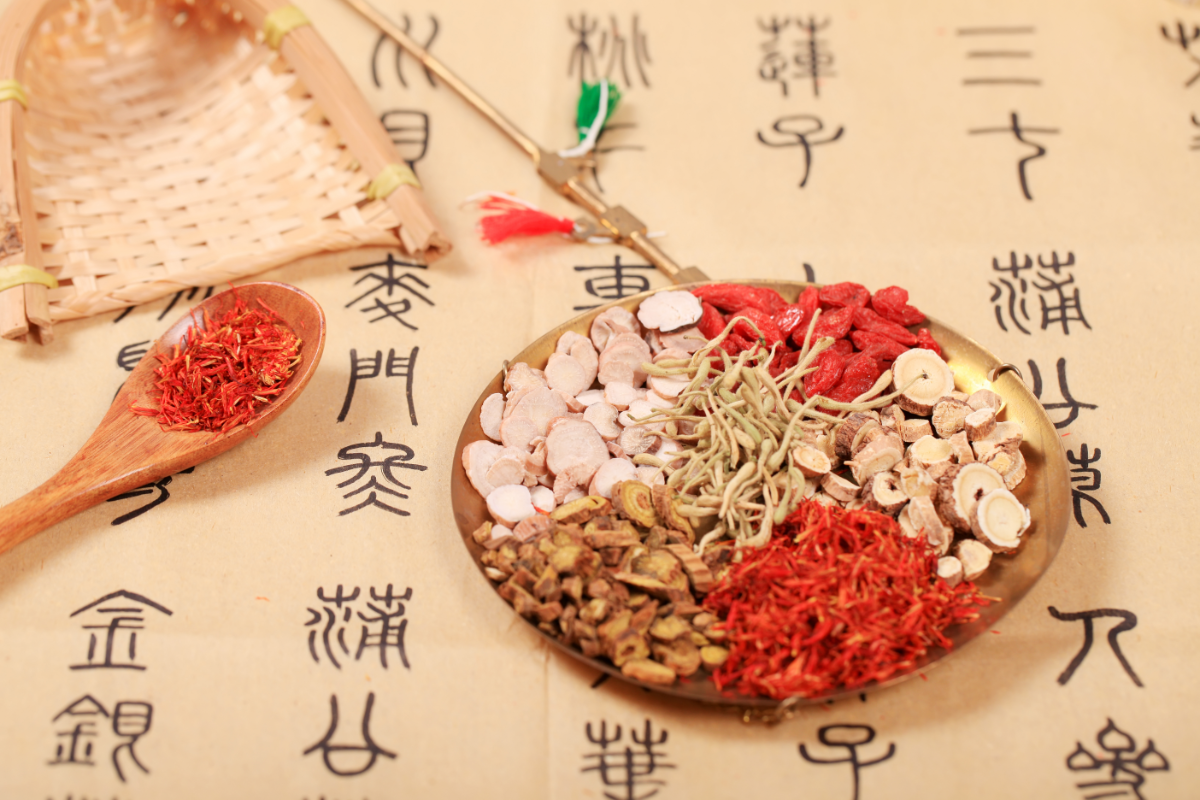
Chinese herbal medicine is the central branch of Traditional Chinese Medicine, and the predominant practice in this field. It is based on the use of natural elements, mainly plants and minerals. The Chinese pharmacopoeia lists over 8,000 ingredients, of which 800 are commonly used and 400 are used on a daily basis. The fundamental work … Read more
Sleep, that essential restorative state, takes up almost a third of our lives. Yet many of us struggle every night to get a good night’s rest. In our search for a natural solution, we’ve come across the following herbal tea Sérénité Sommeil Herboristerie Iphym a combination of traditional plants designed to soothe sleep disorders. This … Read more
Poisonous plants are a legitimate concern for gardeners, parents and nature lovers alike. Although plants beautify our environment, some can pose a threat to human and animal health. This article looks at the most common plants at risk, the symptoms of poisoning to look out for and preventive measures to protect your family and pets. … Read more
The quest for optimal health and natural well-being often leads us to rediscover nature’s hidden treasures. Among these, sweat-inducing plants occupy a special place in the field of phytotherapy and body detoxification. These plants, which have the remarkable ability to stimulate the production of sweat, play an essential role in eliminating the toxins accumulated in … Read more
The immune system helps maintain the integrity of the organism by excluding foreign constituents. Immunity is the ability of an organism to defend itself against any aggression from the external environment (bacteria, virus, fungus, antigen). In autumn and winter, immunity weakens leaving the field free for any type of virus spreading like wildfire, thus becoming a major public health … Read more
Japanese Knotweed, scientifically known as Fallopia japonica, is a plant that is attracting increasing interest for its potential health benefits. Native to Asia, this plant has traditionally been used in alternative medicine, but its effectiveness is now being studied in greater depth. In this article, we take a look at the benefits of Japanese Knotweed, … Read more
The joint discomfort is often due to chronic diseases , and usually slow and progressive evolution, where medicinal plants can have an interesting role. Preventive vis-à-vis the development of this type of disease, the reinforcement of the cartilage promotes patient comfort and reduces pain . There are many effective active ingredients, but their use requires precautions. What is joint discomfort? In the physiological … Read more
Have you already discovered the secret behind coconut oil, this multi-faceted tropical treasure? In recent years, coconut oil has emerged as a staple in kitchen cupboards and beauty kits the world over. But what do we really know about this age-old natural remedy? In this article, we’re going to delve into the fascinating world of … Read more
Oil pulling is a traditional practice that has found a resurgence in the contemporary world of health and well-being. This method, which originated in Ayurvedicmedicine, is hailed by experts and practitioners alike for its many benefits, including improving oral health and detoxifying the body. This article offers a detailed and technical exploration of this fascinating … Read more
In the world of skin and hair care, there are few products that offer as many benefits as organic chamomile hydrosol spray. And why is that? That’s what we’re going to explore in this comprehensive article. Organic Chamomile Hydrosol Spray to Lighten My Hair Chamomile hydrosol has many benefits for the hair, but the most … Read more