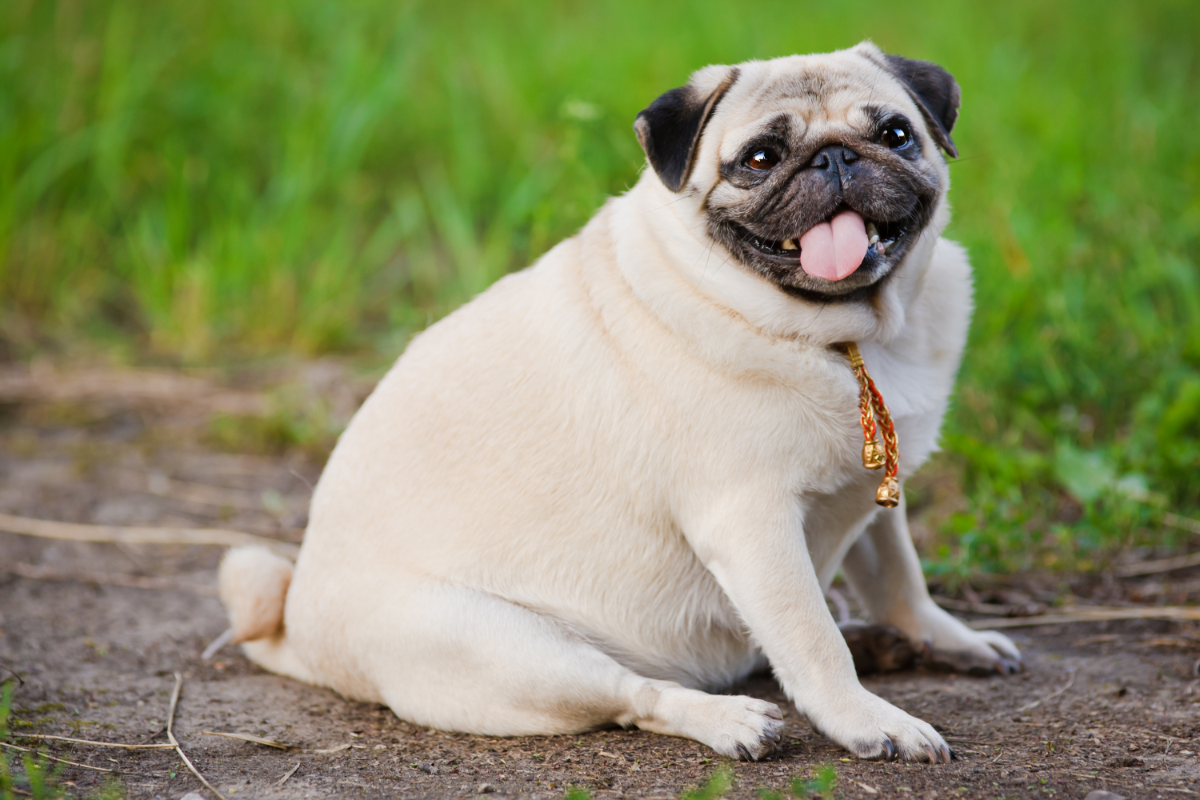
The kitten’s behavioural development

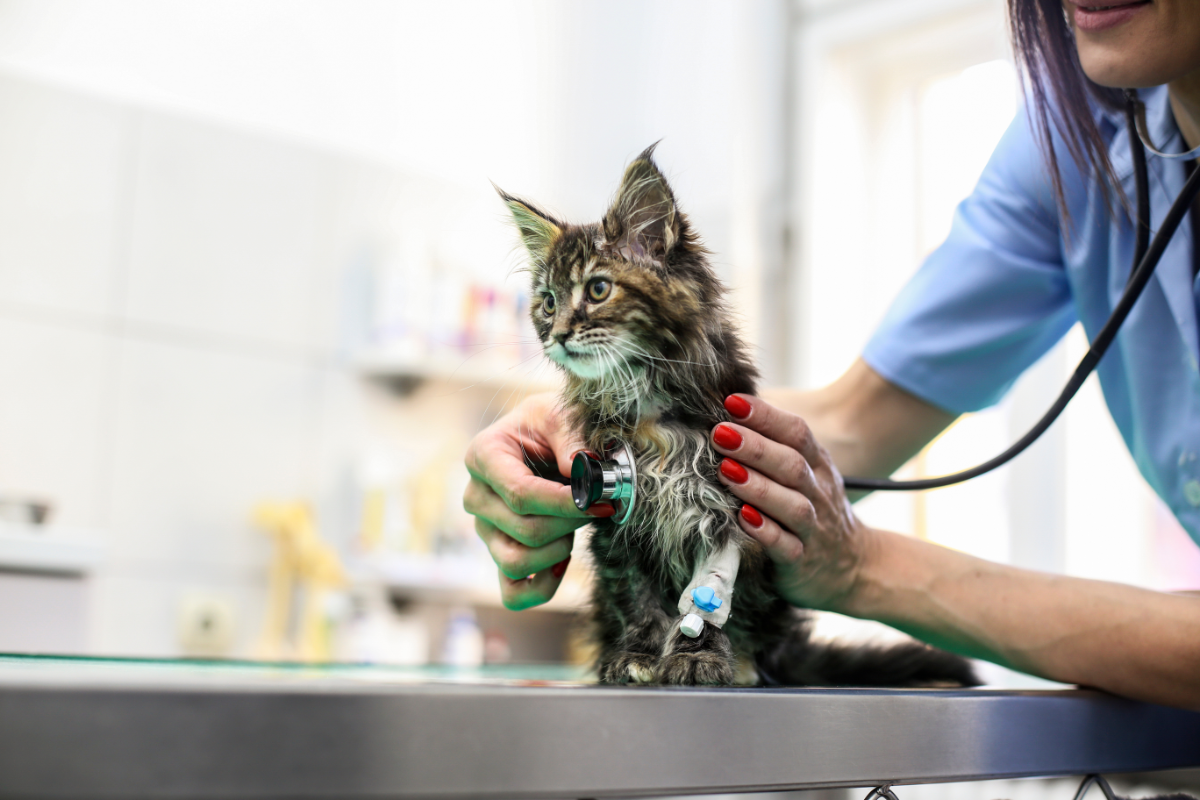
The kitten’s behavioural development encompasses the prenatal period and the first few weeks of life. These phases are crucial in shaping the kitten’s identity and can influence the appearance of developmental disorders, particularly forms of aggression. Understanding the feline lifestyle is essential to understanding these disorders. The kitten’s first weeks of life During the gestation … Read more
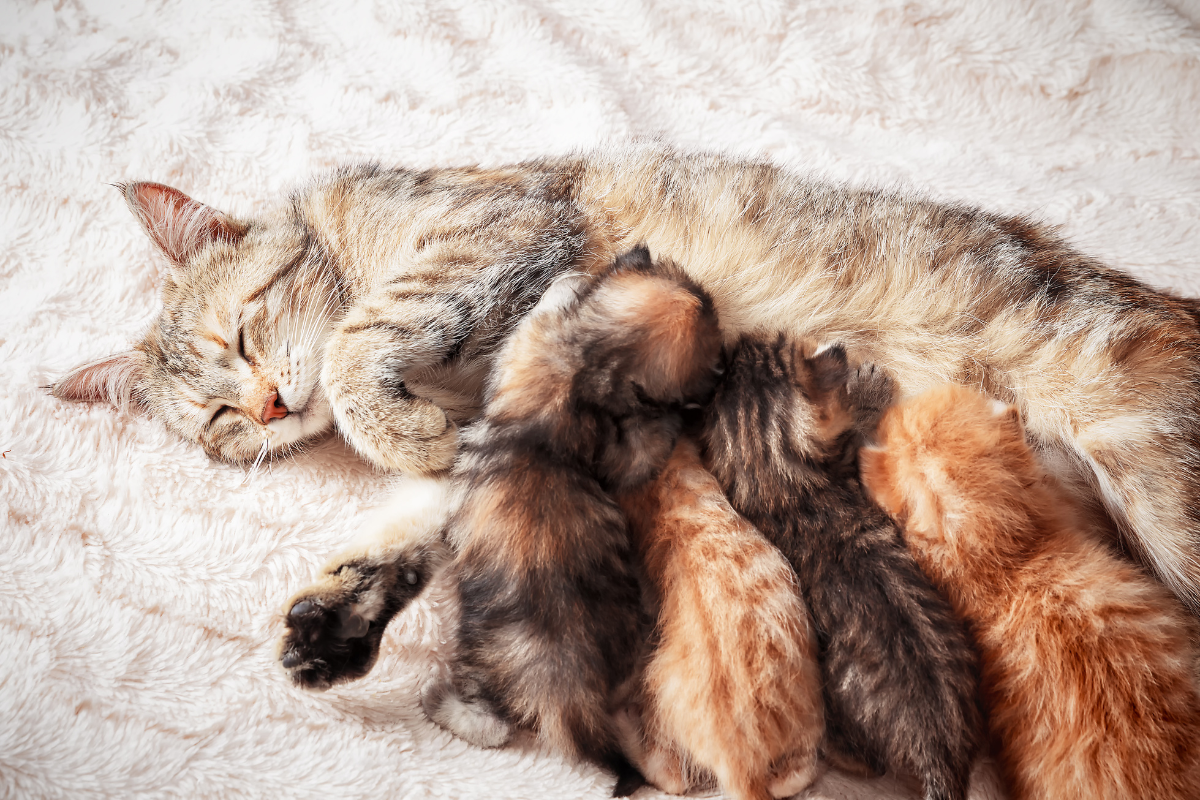
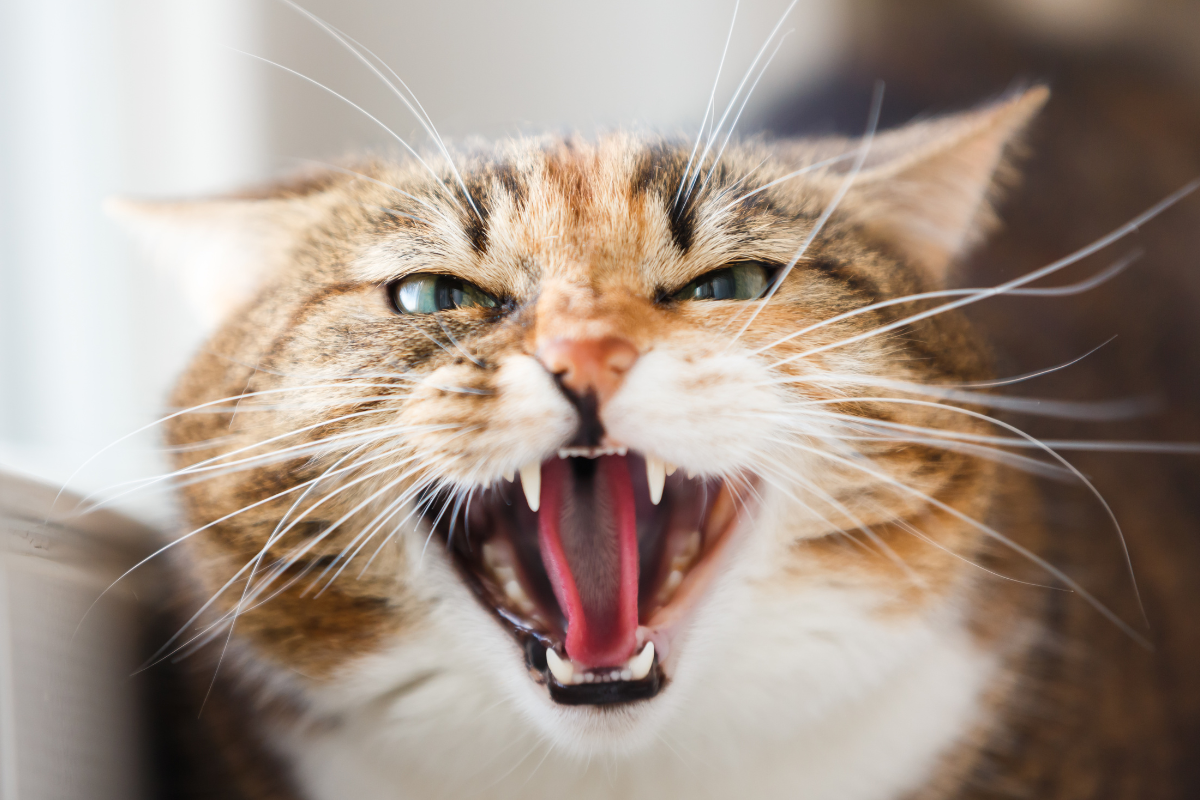
The different types of behavioural problems in cats

Behavioural disorders in domestic felines, particularly aggression, are a significant problem for both the animals and their owners. Aggression in cats can take many forms. It can be triggered by a multitude of environmental, physiological and psychological factors. Predatory behaviour Predatory behaviour is natural in cats. It is not an aggressive disorder. However, without good … Read more

Focus on allergic diseases in animals

Focus on allergic-type diseases in animals

Allergic-type diseases are a major concern in animal health, affecting a wide range of species including dogs, cats and horses. These pathological conditions, resulting from an overactive immune response to normally harmless substances, manifest themselves through a variety of symptoms that can significantly alter the quality of life of the animals concerned. Emphysema in horses … Read more

Pelade: an autoimmune disease affecting the hair

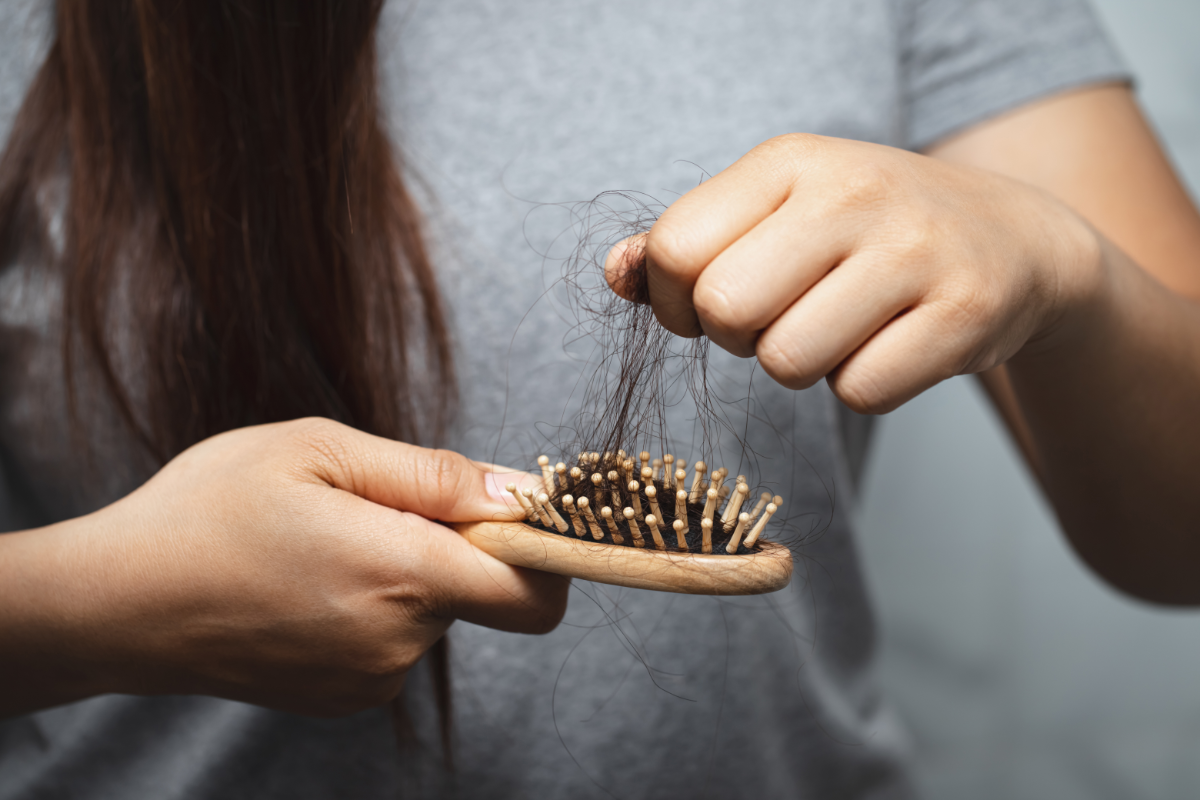
Peladia, also known as alopecia areata, is an autoimmune disease that manifests itself as localised or generalised hair loss. It affects both men and women, regardless of age, and can have a significant impact on quality of life and self-esteem. Although its exact causes remain partly mysterious, the condition is often linked to genetic, environmental … Read more

Thyroid disorders: hyperthyroidism in cats

Hyperthyroidism is one of the most common hormonal disorders in older cats. Overproduction of thyroid hormones causes this condition, which can have serious consequences if not treated quickly. What causes this disease? Feline hyperthyroidism results from a disorder of the thyroid gland, which is responsible for producing thyroid hormones (T3 and T4), essential for regulating … Read more

Animal mediation: support from horses in the treatment of PTSD

Post-Traumatic Stress Disorder ( PTSD) is a complex psychological condition, often resulting from exposure to traumatic events. Characterised by hypervigilance, flashbacks and emotional disturbances, PTSD has a profound impact on the quality of life of those affected. While traditional therapeutic approaches, such as cognitive and behavioural psychotherapy, offer promising results, they are not always sufficient … Read more

Flea bite allergy dermatitis in dogs and cats (FADD)

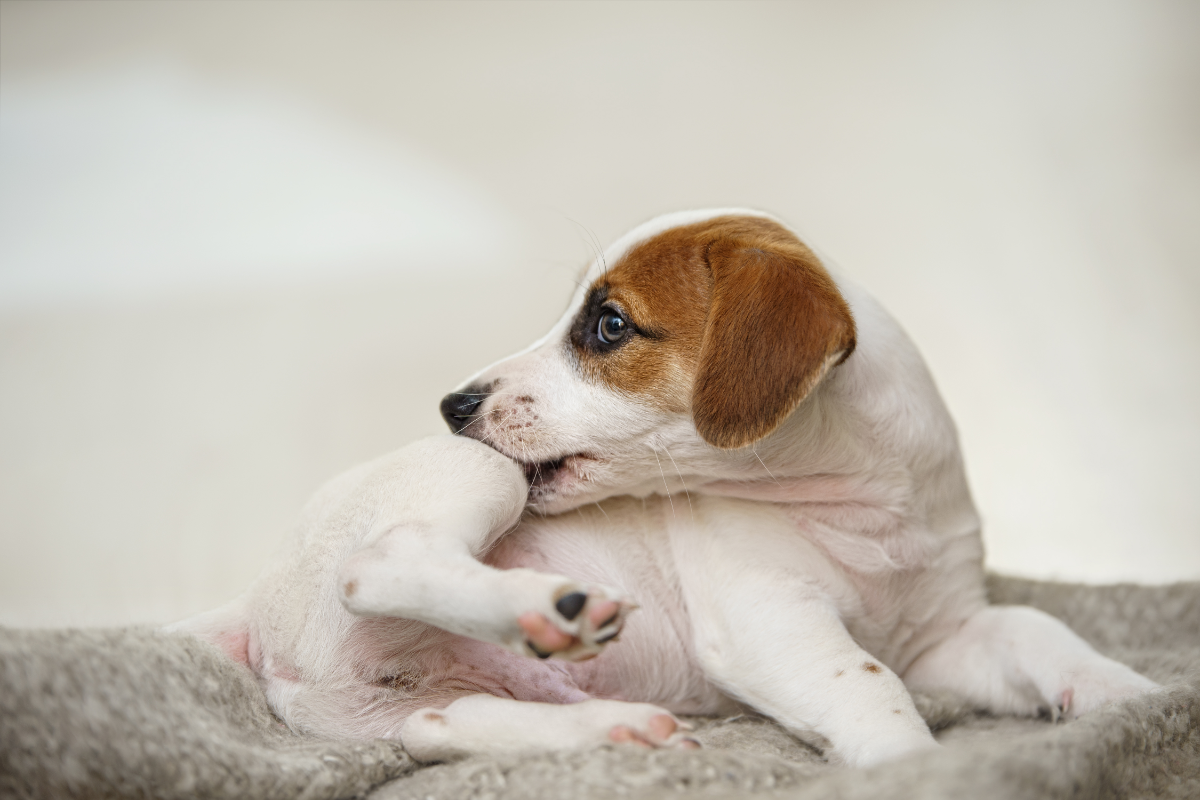
Flea bite allergy dermatitis (FAD) is one of the most common and troublesome dermatological diseases in dogs and cats. It results from hypersensitivity to flea saliva. This causes severe itching and skin lesions that can considerably affect your pet’s well-being. This skin condition requires extra vigilance. Its potential to worsen rapidly amplifies the risks if … Read more

PTSD in the military: the role of the service dog

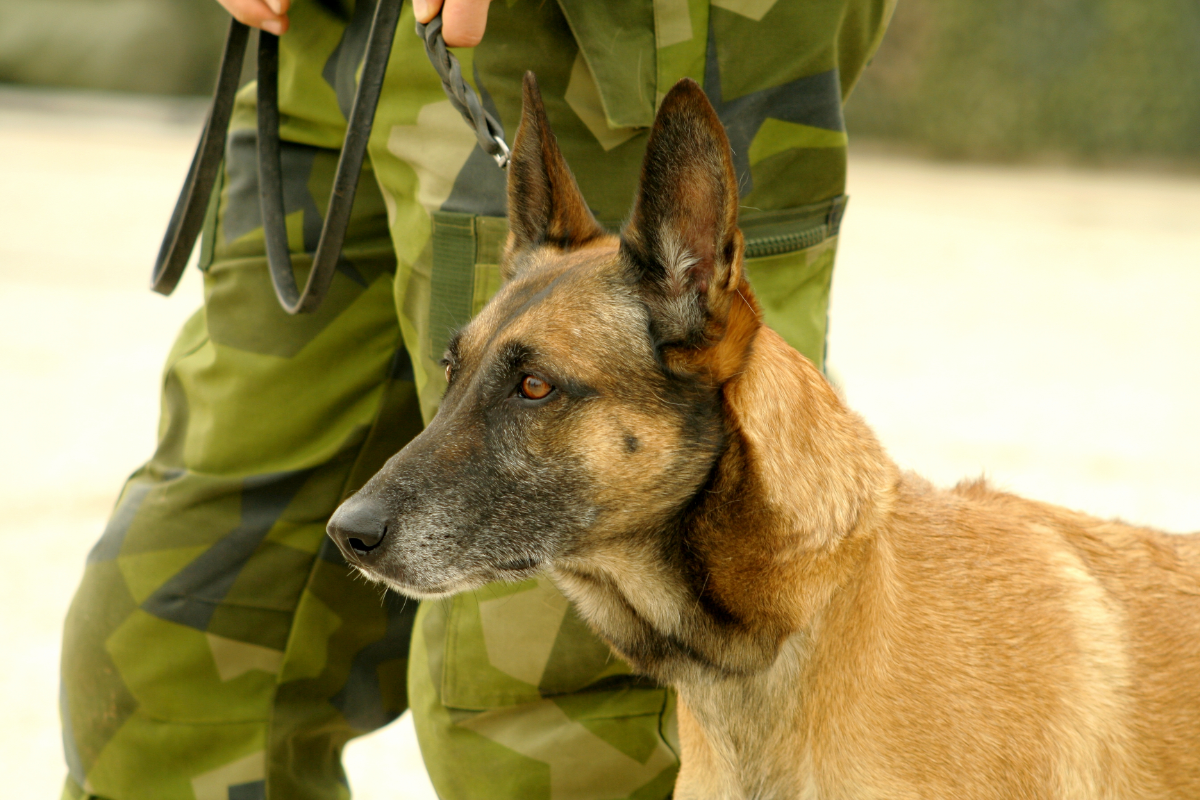
Post-traumatic stress disorder (PTSD) is a psychological disorder often observed in military personnel exposed to combat situations and high-risk environments. The disorder manifests itself through symptoms such as flashbacks, hypervigilance, sleep disturbances and difficulties in managing day-to-day stress. These symptoms can have a considerable impact on the quality of life and social and professional functioning … Read more

Veterinary psychiatry: PTSD in dogs

Post-traumatic stress disorder(PTSD) is a well-documented pathology in humans, but its study in the veterinary field, particularly in dogs, is still emerging. At a time when dogs occupy a prominent place in many societies, not only as pets but also as working partners in a variety of contexts (army, police, assistance), the need to understand … Read more

Gemmotherapy: how to use buds?

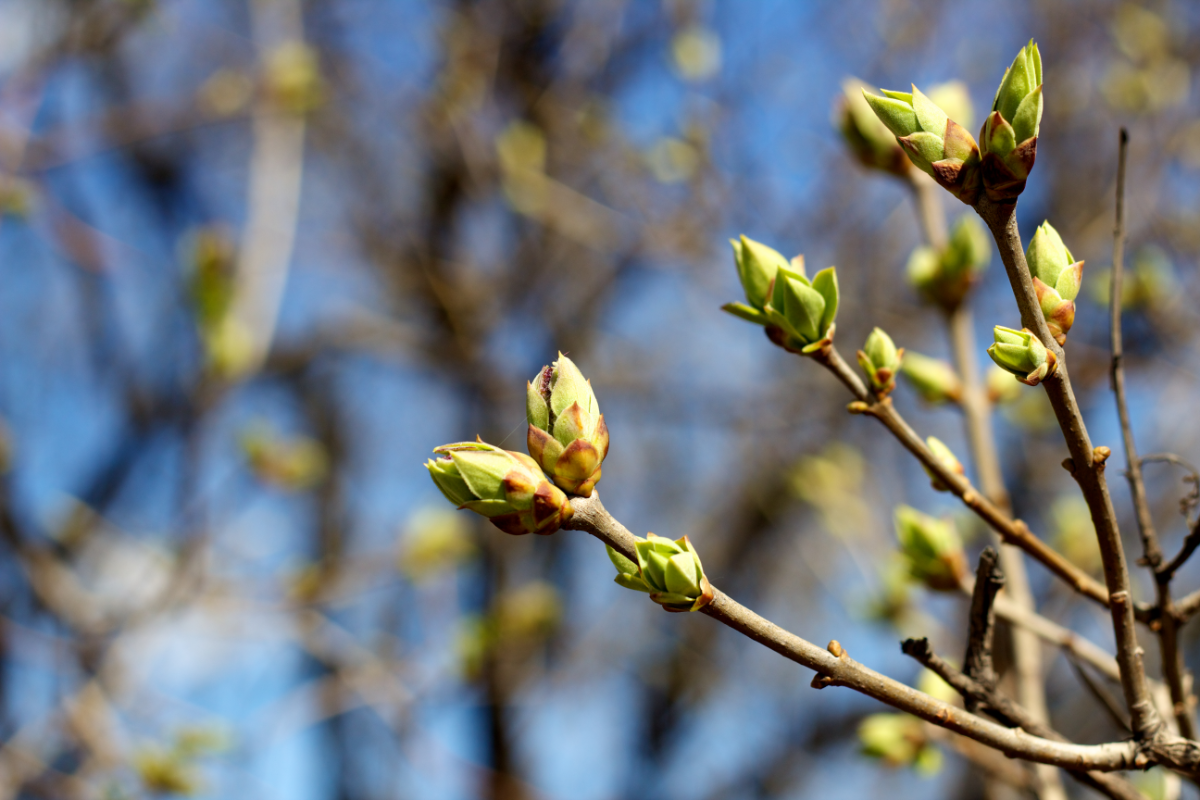
Gemmotherapy, an emerging branch of phytotherapy, is attracting growing interest in the field of natural medicine. This therapeutic approach uses the embryonic tissues of plants – mainly buds, young shoots and rootlets – to produce extracts with medicinal properties. Unlike traditional phytotherapy, which exploits the mature parts of plants (leaves, flowers, roots), gemmotherapy takes advantage … Read more

Red Vine: the plant for light legs

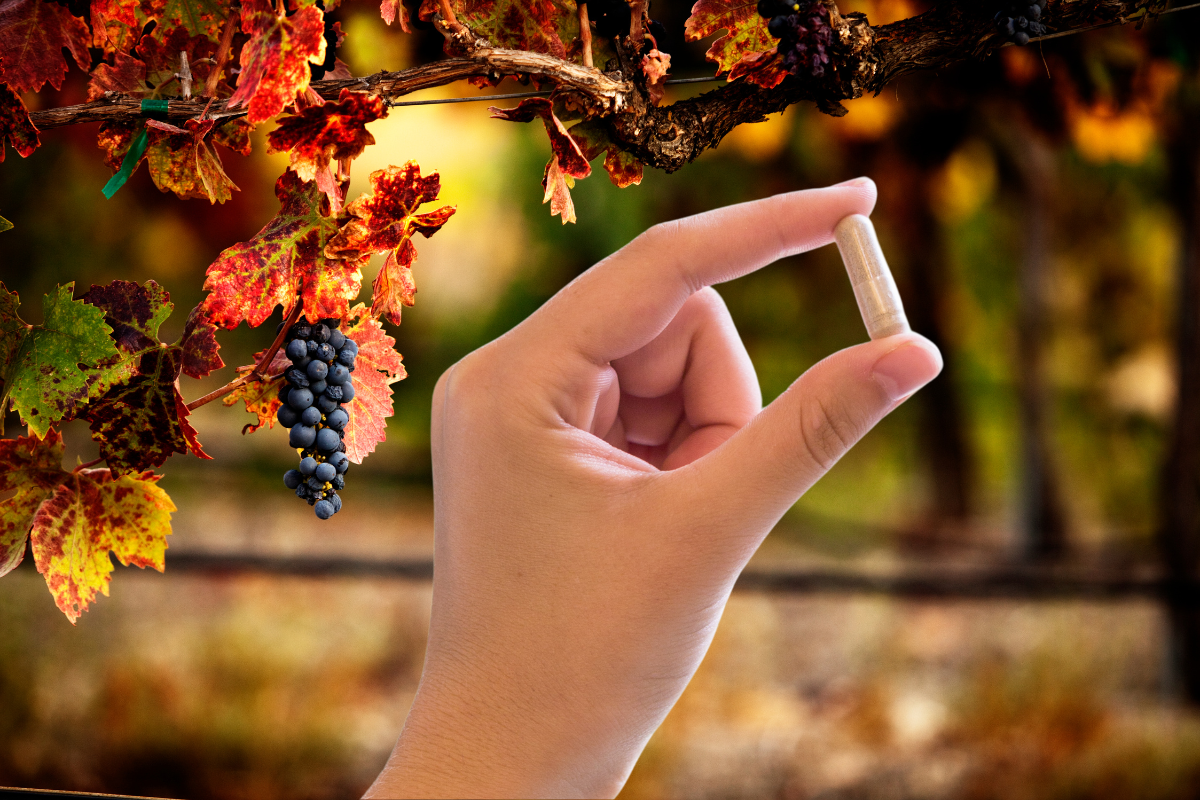
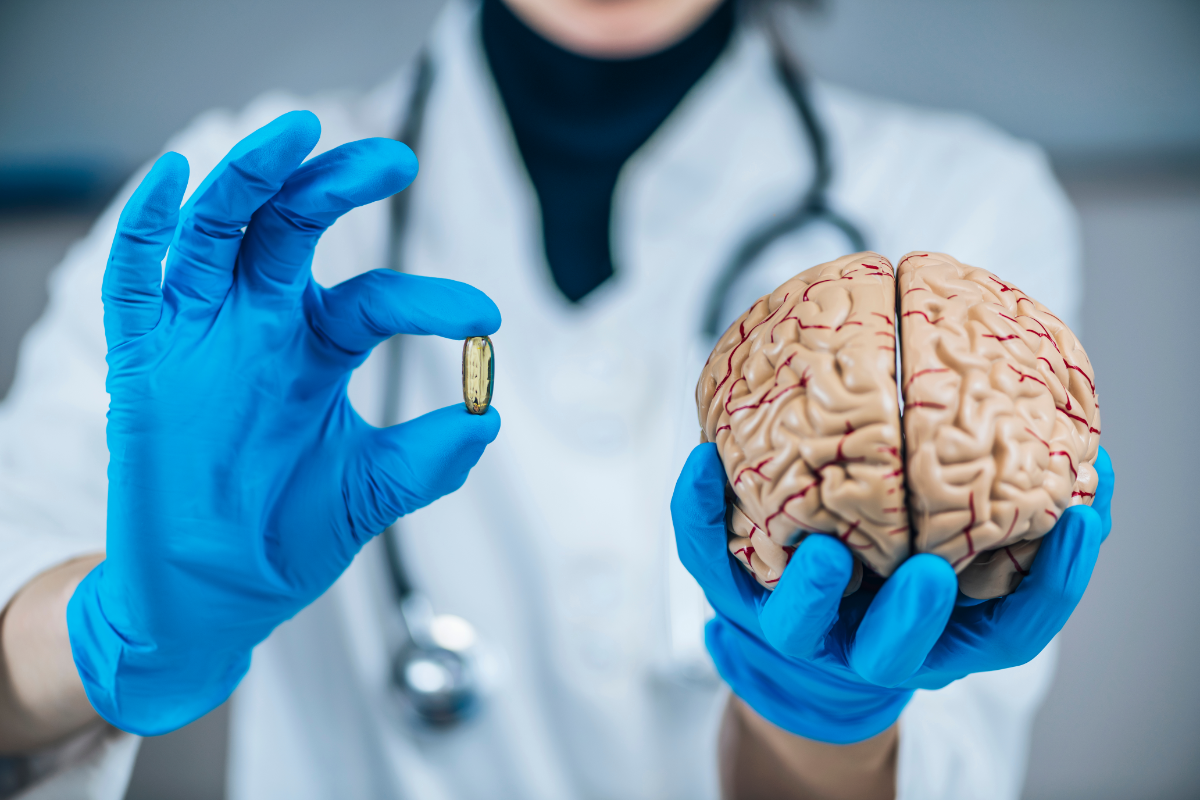
a hand holding a capsule containing the active ingredient of red vine

The red vine(Vitis vinifera L.), a member of the Vitaceae family, is a plant widely cultivated throughout the world, mainly for the production of wine and table grapes. However, in addition to its major economic role in the wine industry, the red vine has attracted growing interest for its therapeutic and medicinal properties. Red vine … Read more

Feline coronavirus in Covid 19 research

Feline coronavirus (FCoV) is a well-known pathology in veterinary medicine, particularly because of its ability to cause persistent and sometimes lethal infections in felines. This virus, a member of the large Coronaviridae family, shares structural and genomic characteristics with other coronaviruses, including SARS-CoV-2, responsible for the COVID-19 pandemic in humans. Thus, the study of the … Read more

Infectious Feline Peritonitis: a dangerous coronavirus

Feline infectious peritonitis (FIP) is a serious viral disease caused by a mutation of the feline coronavirus (FCoV). Primarily affecting young cats and cats living in groups, the disease is almost always fatal if not treated promptly. FIP can progress rapidly, causing a range of serious symptoms. What causes this disease? Feline infectious peritonitis is … Read more

Upset stomach in dogs: a vital emergency

Stomach dilatation-torsion syndrome (SDTE), also known as stomach turn-over or gastric torsion, is an extremely serious condition that mainly affects large-breed dogs. It is a genuine medical emergency, requiring rapid intervention to save the animal’s life. What causes this syndrome? Stomach dilatation-torsion syndrome (SDTE), or stomach turn-over, is a condition that occurs mainly in large-breed … Read more

Bach flowers: real remedy or placebo?

Bach flowers, created in the 1930s by Dr Edward Bach, are flower essences designed to treat emotional imbalances such as fear, uncertainty or stress. Based on a holistic approach, Bach believed that healing primarily required emotional balance, with physical illnesses seen as manifestations of internal disorders. Despite their worldwide popularity, Bach flowers are still the … Read more

Bach flowers: what are they?

Bach flowers, also known as Bach Flower Remedies, represent a holistic and alternative approach to health, widely used in the field of complementary therapies. Developed in the 1930s by the British doctor Edward Bach, these plant-based preparations aim to restore emotional and mentalbalance to individuals. Unlike traditional herbal remedies, which act primarily on a physical … Read more

Does my dog need a muzzle?

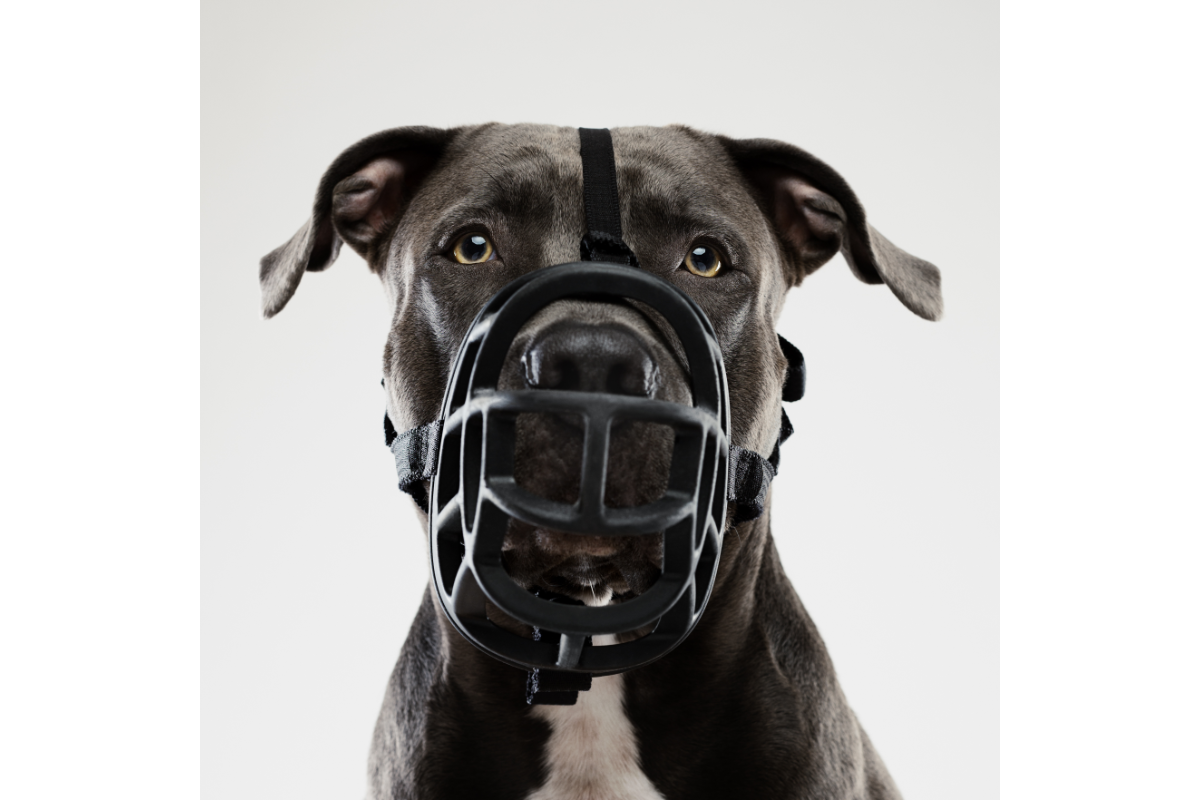
The wearing of muzzles by dogs is a subject that gives rise to much debate, both among pet owners and in the veterinary and legislative communities. Often perceived as a restrictive control tool, the muzzle is in fact an accessory which, if properly used, can contribute to public safety, animal welfare and better cohabitation between … Read more

Kennel cough: a highly contagious cough in dogs

Kennel cough, or canine infectious tracheobronchitis, is a highly contagious respiratory disease that particularly affects dogs living in groups. It is often caused by a combination of viruses and bacteria, such as the Parainfluenza virus and Bordetella bronchiseptica bacteria. Infectious tracheobronchitis manifests itself as a severe dry cough, similar to a human cold, and can … Read more

Autumn and cats: how to beat the hairballs?

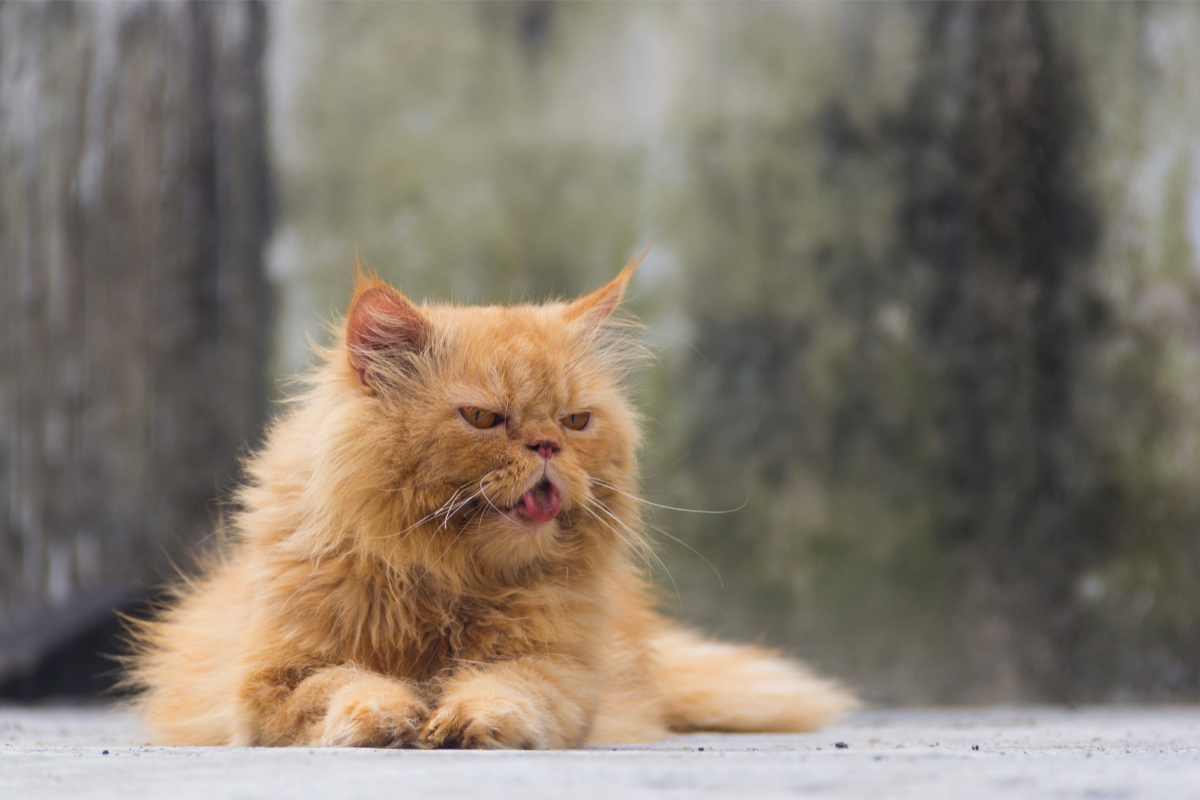
Hairballs are a common problem in cats, especially those with long hair or who lick themselves excessively. Although natural, they can lead to serious complications if left untreated. This article will help you understand the causes of hairballs, their symptoms, diagnostic methods, available treatments, as well as natural solutions and ways to prevent them from … Read more

Lipomas in dogs: the essentials about these fat balls

Lipomas are benign tumours that are very common in dogs, particularly older dogs. They appear as subcutaneous fatty masses, often painless and mobile. Although benign, they can sometimes become a nuisance depending on their size and location. This article details the causes, symptoms, diagnosis and treatment options available for this common condition in dogs. What … Read more