
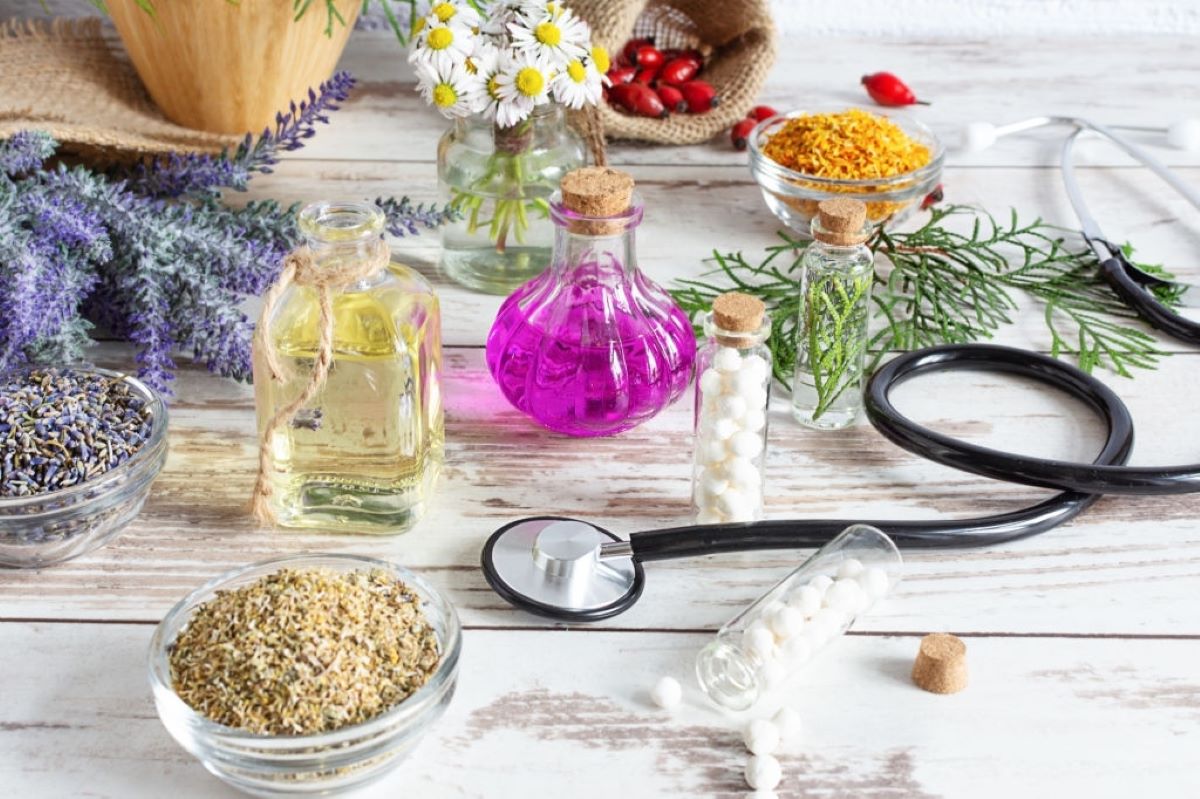
The use of plants for self-medication is becoming increasingly popular. However, a persistent misconception remains: because they are natural, plants are thought to be completely harmless. This is not true. Phytotherapy uses powerful active ingredients. If these are misused, they can trigger adverse effects or exacerbate existing conditions. Is there a real danger associated with phytotherapy? This comprehensive guide provides an overview of the precautions to take. It also outlines the main contraindications depending on your state of health.
Why isn’t ‘natural’ necessarily safe?
Most medicinal plants used on a daily basis are very safe to use. However, “natural” does not mean “risk-free”. Plants contain complex chemical molecules (secondary metabolites) that act directly on our organs. This occurs in the same way as with synthetic medicines. Consequently, blind self-medication or the consumption of dietary supplements without medical advice poses a real danger in herbal medicine.
Individual factors (age, weight, physiological condition)
To accurately assess the toxicity or safety of a plant-based substance, it is essential to take the individual’s profile into account.Age, weight, gender andphysiological condition (such as pregnancy or old age) drastically alter the way the body tolerates or eliminates plant-derived active compounds. Furthermore, environmental factors and lifestyle also play a key role in the emergence of adverse effects from herbal teas.
The importance of the body’s condition (liver, kidneys, heart)
The ‘constitution’, i.e. the functioning of your vital organs, dictates the limits of herbal medicine. The liver and kidneys are the body’s filtration systems. If their function is impaired, plant compounds accumulate and become toxic. Similarly, a weakened heart will tolerate stimulating plants very poorly. When it comes to medicinal plants and chronic conditions, their use must be carefully managed and considered.
What are the risks of herbal medicine for the digestive and renal systems?
The organs involved in digestion and elimination (stomach, colon, liver, bile ducts and kidneys) bear the brunt of the direct action of the plants. In cases of inflammation or damage (ulcers, stones, kidney failure), certain common herbs such as gentian, turmeric or juniper can be highly aggressive, or even nephrotoxic. Therefore, great care must be taken not to aggravate these sensitive areas.
Need more details? To discover the blacklist of plants to avoid and understand the risks of toxicity to your internal organs, read our article: Ulcers, stones, kidneys: how to protect your digestive system with herbal medicine?
Why is it important to monitor your heart and circulation before taking herbal remedies?
The cardiovascular system regulates blood pressure and blood flow, two delicate balances that herbal medicine can disrupt. Very popular plants such as liquorice can cause a dangerous rise in blood pressure. Others (ginger, ginseng, St John’s wort) can become critical when used alongside certain medical conditions or anticoagulant or antiplatelet treatments. Understanding this aspect of the risks involved in herbal medicine is vital to avoid bleeding complications.
Beware of interactions! Do not take any risks with your blood pressure or blood-thinning treatments. Read our feature: High blood pressure, varicose veins and anticoagulants: the pitfalls of herbal medicine
When do immune stimulation and allergies become dangerous?
Wanting to “boost your defences” is a common reflex, but it can prove counterproductive, or even dangerous, in cases of immune system dysfunction. So-called immunostimulant plants, such as Echinacea, pose a real danger to people suffering from autoimmune diseases (multiple sclerosis, lupus) or immunodeficiency. Indeed, they risk exacerbating the condition. Furthermore, the overall rise in environmental allergies calls for greater caution when it comes to herbal supplements.
Protect your defences: A disrupted immune system needs gentleness, not stimulation. Find out why in our guide: The Immune System and Allergies: Why Plants Used to ‘Boost’ Defences Are Sometimes Dangerous
How do plants disrupt metabolism and hormones?
The endocrine system operates on the principle of microscopic hormonal balances, which certain plants can completely disrupt. Hypoglycaemic plants (such as gymnema or berberine) may cause serious adverse effects if they interfere with existing diabetes treatment. Furthermore, iodine-rich plants disrupt the thyroid. In addition, plants containing phytoestrogens (soya) require extreme caution due to the risk of recurrence of hormone-dependent cancers or during pregnancy.
Balance your hormones safely: Diabetes, thyroid conditions, a history of cancer or pregnancy require strict guidelines. Find them all here: Diabetes, thyroid and pregnancy: regulating your hormones with herbal medicine without taking risks
Sources:
- ANSES: Nutrivigilance reports and safety alerts on food supplements and medicinal plants.
- European Medicines Agency (EMA): Official monographs of the Committee on Herbal Medicinal Products (HMPC).
- France Rein: Warnings on self-medication and the protection of kidney function.
- World Health Organisation (WHO): General guidelines on pharmacovigilance for traditional medicines.
FAQ: What precautions should you take regarding the risks of herbal remedies?
Here is a summary in the form of questions and answers to help you adopt the right habits and avoid any contraindications with medicinal plants.
Why should you be wary of medicinal plants if you have a chronic condition?
Even though they are natural, certain medicinal plants can aggravate a chronic condition or interact with ongoing treatments, altering their effectiveness or side effects. It is therefore essential to tailor the use of plants to each patient’s individual circumstances.
Which plants are not recommended for digestive disorders or ulcers?
In cases of gastritis, peptic ulcers or colitis, one should avoid plants that are irritating or that increase acid secretion, such as gentian, coffee, tea or maté. Strongly purgative plants or stimulant laxatives (senna, buckthorn) should also be avoided.
What precautions should be taken with choleretic plants in cases of gallstones?
Choleretic and cholagogue plants that stimulate the production and flow of bile (such as harpagophytum or turmeric) can block the bile ducts and trigger severe hepatic colic in the presence of stones.
Which plants should be avoided in cases of high blood pressure?
Certain plants such as liquorice, mint, tea, coffee or maté have a natural tendency to raise blood pressure. These plants are not recommended in cases of high blood pressure or heart failure.
Why should one be particularly cautious with plants in cases of kidney failure?
As some of the metabolites of medicinal plants are eliminated by the kidneys, any long-term use should be discussed with a doctor. Furthermore, certain plants are directly nephrotoxic or may promote the formation of kidney stones.
Are immunostimulant plants suitable for people with autoimmune diseases?
No. Immune-stimulating plants such as echinacea can exacerbate the activity of an autoimmune disease (multiple sclerosis, polyarthritis) or interfere with immunosuppressive treatments.
Which plants should be avoided when taking anticoagulants or antiplatelet agents?
St. John’s wort, ginkgo, chamomile, ginger, ginseng or garlic can alter the action of anticoagulants or antiplatelet agents. This can dangerously alter the risk of bleeding.
Are hypoglycaemic plants compatible with treated diabetes?
Their use must be closely monitored by a doctor. Herbs such as gymnema or berberine enhance the action of oral antidiabetics. Consequently, they carry a risk of severe hypoglycaemia.
What precautions should be taken with phytoestrogen-containing or iodine-rich plants?
In cases of hormone-dependent conditions (breast, prostate), phytoestrogen-containing plants (soya) should be avoided or used on a case-by-case basis. Furthermore, iodine-rich plants or seaweed (fucus) are not recommended in cases of thyroid disorders.
Why do pregnancy and breastfeeding require the utmost caution?
During pregnancy, plants with emmenagogue or purgative effects (mugwort, sage, parsley, liquorice) can cause uterine contractions and increase the risk of miscarriage. During breastfeeding, the active ingredients pass into the milk and may harm the infant.
A découvrir dans la même thématique
 What is the difference between EPS (PhytoPrevent) and SIPF (Synergia)?
 Herbal Medicine: The Complete Guide to Healing with Plants
 The immune system and allergies: why plants used to ‘boost’ the immune system can sometimes be dangerous
 Ulcers, kidney stones, kidneys: how can herbal medicine help protect your digestive system?