Diet and asthma: which foods should you avoid to minimise attacks?

What is the link between diet and asthma? Find out which foods, additives and hidden allergens can irritate your airways and trigger attacks.

Allergies, these excessive reactions of the immune system, affect a significant part of the world’s population. They can manifest in different forms and intensities, affecting people’s quality of life. Understanding the symptoms and physiological processes of allergies is essential to managing them effectively. This article aims to provide comprehensive information on these aspects, thereby helping readers to better recognize and respond to the challenges posed by allergies.
An allergy is a reaction of the immune system to a foreign, usually harmless substance called an allergen. These allergens can be present in food, the environment or come from animals. The immune system, which is supposed to protect the body against infections, sometimes overreacts to these substances, leading to allergic symptoms. Allergies manifest themselves in different forms, such as food, respiratory, skin, or even medication allergies.
Symptoms of an allergy vary greatly depending on the type of allergen and individual sensitivity. Respiratory symptoms include sneezing, nasal congestion, runny nose, and difficulty breathing. Skin reactions include hives, rash, and itching. Food allergies can cause gastrointestinal symptoms such as nausea, vomiting and diarrhea. In the most severe cases, an allergy can lead to anaphylaxis, a medical emergency characterized by difficulty breathing, a drop in blood pressure, and sometimes shock that can be fatal without prompt treatment.
The physiological mechanisms of allergies are both complex and fascinating. When an allergen enters the body, it triggers a reaction from the immune system. Immune cells, particularly mast cells, respond by releasing chemicals like histamine. This release causes various allergic symptoms. Histamine, for example, can increase the permeability of blood vessels, causing swelling and itching. It also stimulates nasal secretions and can cause constriction of the airways, which is why allergic reactions often affect breathing.
Each type of allergen can cause unique symptoms. For example, pollen allergies, often called hay fever, are primarily characterized by respiratory symptoms such as sneezing, runny nose, and itchy eyes. Food allergies, on the other hand, can cause a variety of reactions, from hives and itching to digestive upsets like nausea and vomiting. Severe allergies to certain foods can even cause anaphylaxis, a serious and potentially fatal allergic reaction. Pet hair allergies, on the other hand, often manifest with skin and respiratory symptoms.
Diagnosis of allergies is crucial for proper management and treatment. It often begins with a physical examination and a detailed review of the patient’s symptom history. Allergy testing plays a vital role in identifying the specific offending allergens. Skin testing, where small amounts of allergens are applied to the skin, is common. If the skin reacts with redness or swelling, this indicates an allergy to that allergen. Blood tests, which measure the presence of allergen-specific antibodies in the blood, may also be used. The accurate diagnosis allows doctors to recommend the most effective treatment, which can vary from taking medications to avoiding certain allergens.
A severe allergic reaction, or anaphylaxis, is a medical emergency. Signs include difficulty breathing, swelling of the throat or tongue, widespread rash, dizziness, low blood pressure, and sometimes loss of consciousness. If these symptoms appear, it is crucial to seek immediate medical assistance.
Yes, it is possible to develop allergies at any age. Although many allergies begin during childhood, individuals can become allergic to certain substances even as adults. These late-onset allergies may be due to changes in allergen exposure or changes in the immune system.
In some cases, people may see their allergies improve or disappear over time, especially food allergies in children. However, this varies from person to person and certain types of allergies, such as those to pollen or animals, tend to persist long term.
Although some of the symptoms may overlap, such as nasal congestion and sneezing, there are key differences. Allergies can cause itchy eyes, nose, or throat, and are often seasonal or related to exposure to specific allergens. A cold is usually accompanied by symptoms like cough, fatigue, and sometimes fever, and usually resolves within a week to ten days.
Some natural remedies can help relieve allergy symptoms. For example, using a humidifier to clean the nasal passages, drinking local honey (although not scientifically proven, some people find it helpful), acupuncture, and certain dietary supplements like quercetin may be beneficial. However, it is important to consult a healthcare professional before trying new treatments.
What is the link between diet and asthma? Find out which foods, additives and hidden allergens can irritate your airways and trigger attacks.

Naturopathy is a holistic approach to health that uses natural methods to promote well-being. It is increasingly used to treat and prevent various ailments in animals, including allergies. What is an allergy? An allergic reaction in pets, whether seasonal or food-related, is an excessive immune response to common allergens such as certain foods, plants or … Read more

Dry eye is a common condition characterised by a deterioration in the tear film, which is essential for protecting and moisturising the eye. It leads to symptoms such as stinging, redness, blurred vision or a sensation of a foreign body in the eyes. The main causes include hormonal changes, particularly in post-menopausal women, prolonged use of screens, pollution and contact lens wear.
To relieve symptoms, natural solutions can be considered. Vitamins play a key role: vitamin A promotes the production of mucin, essential for tear stability, while vitamin E protects cells against oxidative stress. Plant extracts, such as trehelose or aloe vera, also provide benefits by reducing inflammation and repairing eye tissue. These alternatives, combined with a healthy lifestyle, help to improve visual comfort and limit the complications associated with this disease.

Antihistamines, such as Cetirizine and Bilastine, play a pivotal role in dermatology, extending far beyond their traditional use in the management of itch and hives. This article, based on recent scientific research, aims to explore in depth the spectrum of action and efficacy of these drugs in various skin conditions. At the heart of this … Read more

Allergies in pets, whether dogs, cats or horses, are common conditions that can significantly affect their well-being. These allergic reactions, often triggered by environmental, food or parasite allergens, mainly manifest themselves as itching, skin lesions and digestive problems. While conventional veterinary medicine offers a range of medicinal treatments, more and more owners are looking for … Read more
In the current era of medicine, intranasal phototherapy is emerging as an innovative, non-invasive solution, particularly in the treatment of allergies at home. Red light, a key component of this technology, is attracting interest for its potential therapeutic benefits. This introduction explores the effectiveness of red light in phototherapy, a promising method of alleviating allergic … Read more

With the arrival of summer, the streets light up with life and the terraces overflow with joy. But for those sensitive to the sun’s rays, this beautiful season can prove more complicated. Did you know that the sun’s ultraviolet rays can cause allergies in some people, known as solar urticaria or polymorphic sunburn? When the … Read more
Allergies are reactions of the immune system to foreign substances, called allergens, which can cause symptoms such as sneezing, itching, redness, skin rashes and breathing difficulties. Whether it’s pollen, house dust mites, animal hair, insect bites or food, allergies can disrupt our daily lives and well-being. In this article, we explore homeopathic treatments to prevent … Read more
Hyssop is one of the mystical plants of antiquity. Its name derives from the Greek “azoh” or “holy herb”.Hyssop was considered a sacred herb by the Hebrews, who regarded it as “purifying”. Hippocrates, Galen and Dioscorides, each in their own time, extolled the properties of this plant. It spread to Europe from the 12th century, … Read more

One of the most annoying complaints in winter is a blocked nose. As well as bothering the airways, it makes the body tired with the stress it generates. Nasal congestion usually comes on the heels of a cold, flu or allergies. It can last a few days, weeks or even months, depending on the situation. … Read more

Having a faithful friend is what we all want! And that’s part of the reason we adopt a dog. But although its presence is precious to us, a pet also comes with its share of small inconveniences. Indeed, despite the cuddly moments and mutual complicity, owning a dog involves a great responsibility. Apart from its education, which requires a … Read more
Spring marks the arrival of fine weather, but also of seasonal allergies. These ailments affect more and more people, young and old alike. Sneezing, coughing, conjunctivitis… The spring season and its climatic conditions favour the appearance of these crises. Pollen and pollution, the body reacts to these aggressions and alerts you. These symptoms, linked to … Read more

In the allergic, and because of genetic predispositions , the immune system is disrupted thus creating disorientation. To the point of mobilizing his troops against harmless substances such as dust mites, pollens or molds. Food allergies, asthma, conjunctivitis, eczema, rhinitis… If it manifests itself in different forms, the allergy is always the result of an error of assessment . From whom? Of the immune system. It … Read more
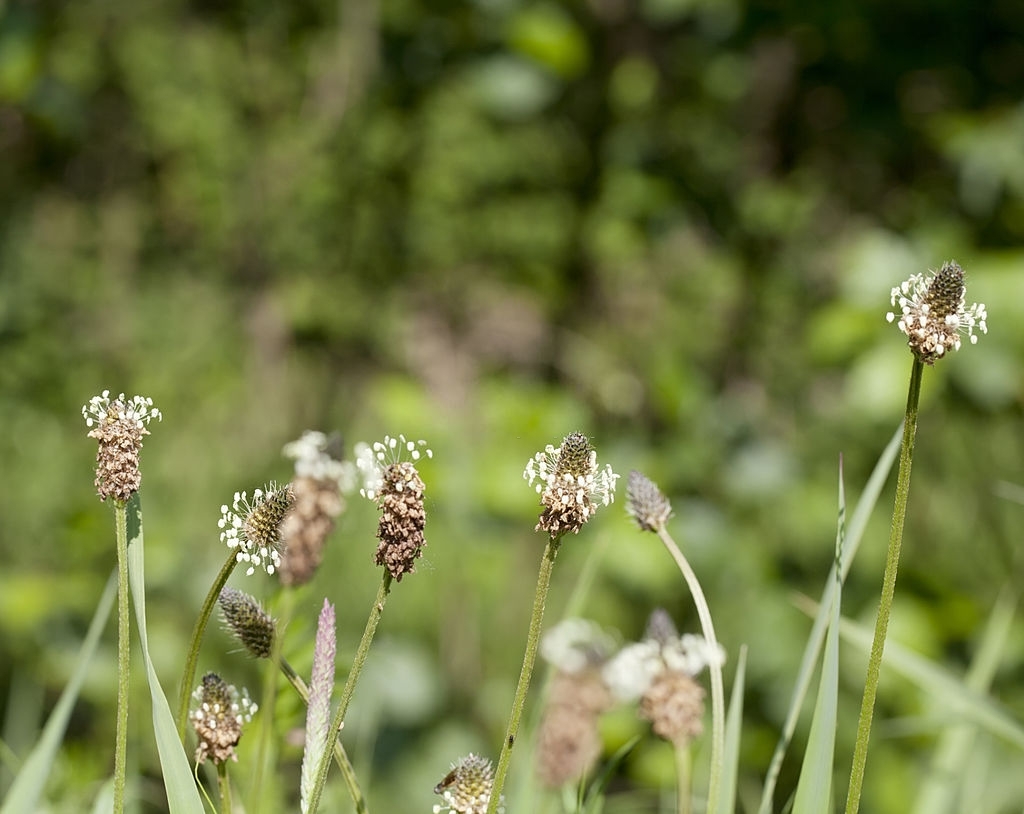
In ancient times, plantain was a well-known and widely used plant. In addition to the pseudo-Apuleius who wrote extensively about its use, there was a writer in the first century AD who held plantain in high esteem. Like mallow, plantain is reputed to have anti-inflammatory properties, both internally and externally. What is plantain? Plantago lanceolata, … Read more
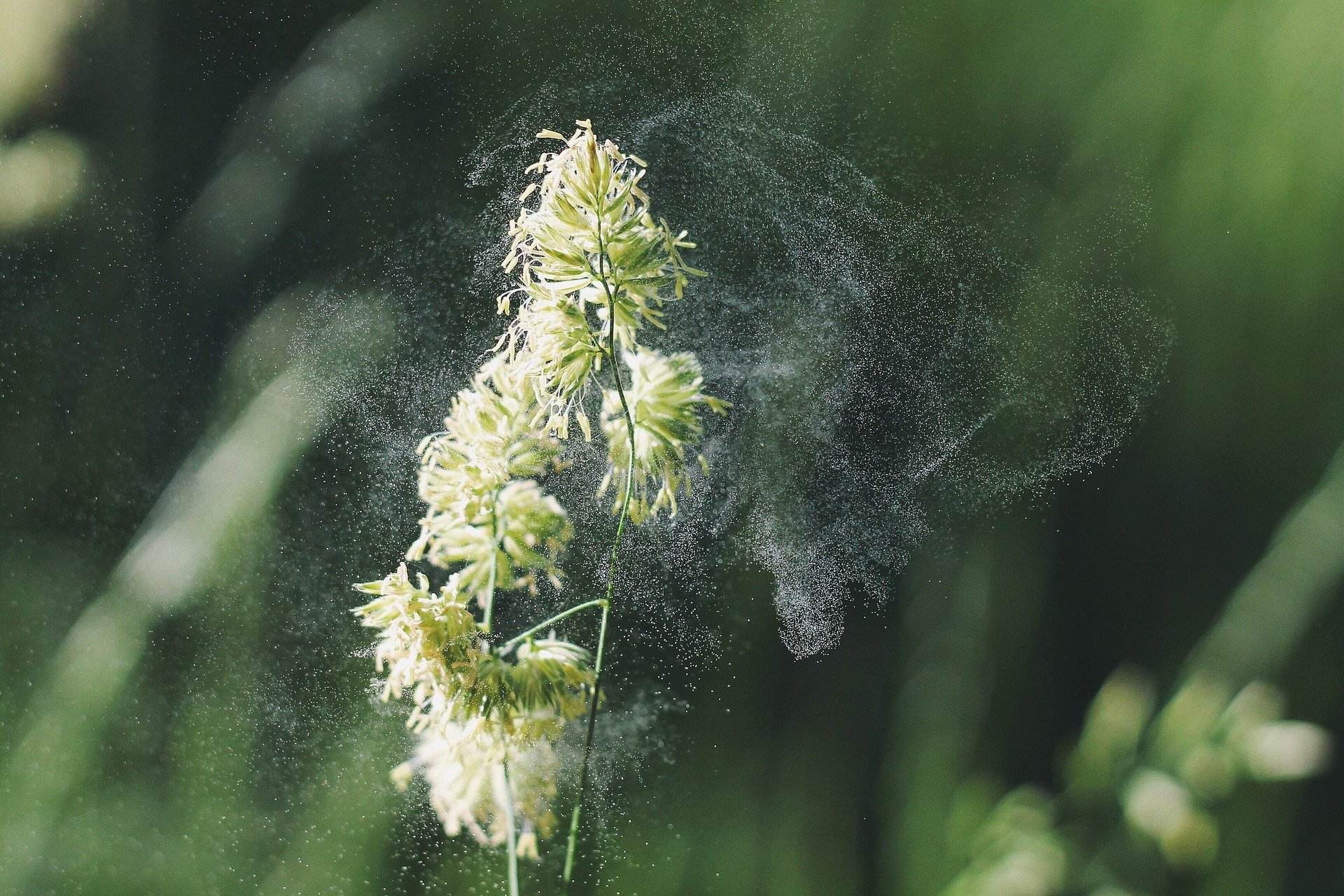
Rhinitis is a mild, acute, or chronic inflammation of the lining of the nasal passages. Suffice to say that it has many causes and can take many forms. The most common is due to coryza or cold. It can be chronic and is characterized by a more or less significant thickening (hypertrophy) of the nasal … Read more

The very first breastfeed of a newborn is always an exceptional moment, whether it is breast milk or formula. This first feed stimulates both bowel movement and the maturation of her entire gastrointestinal system . But like many other parts of the human body, the gastrointestinal tract is not fully mature at birth. And while his body is well equipped … Read more

Itching , irritation , difficulty breathing , … We agree, it is not normal to feel this kind of discomfort during sex . So why do you feel bad? It may be because of the condom you have chosen, or rather the main product of which it is made: latex . This material is indeed a source of allergies for some people, 10% to 20% of the French population according to surveys. Fortunately, if you are one of that … Read more

Are you looking for a natural solution to relieve your baby’s minor ailments? Homeopathy could well be the ideal ally! Gentle, with no side-effects and perfectly suited to toddlers, it can help your baby in a wide range of situations: colic, teething troubles, sleep disorders, etc. Always under the advice of a health professional, homeopathy … Read more
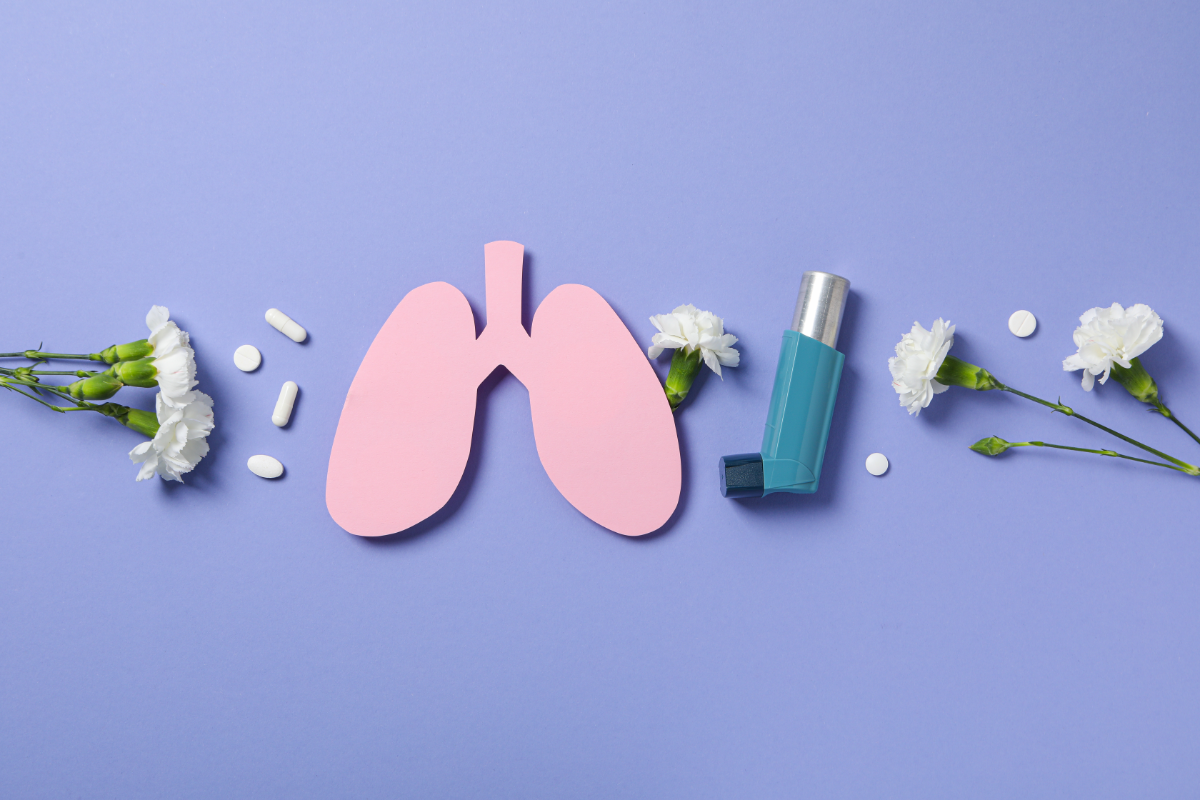
Allergies have risen sharply in recent decades. In Western countries, one person in four has clinical symptoms of allergy. Allergic respiratory diseases affect almost 90 million Europeans and 65 million people in the United States. Allergy is an inappropriate reaction of the immune system to a substance foreign to the body (allergen). The number of … Read more
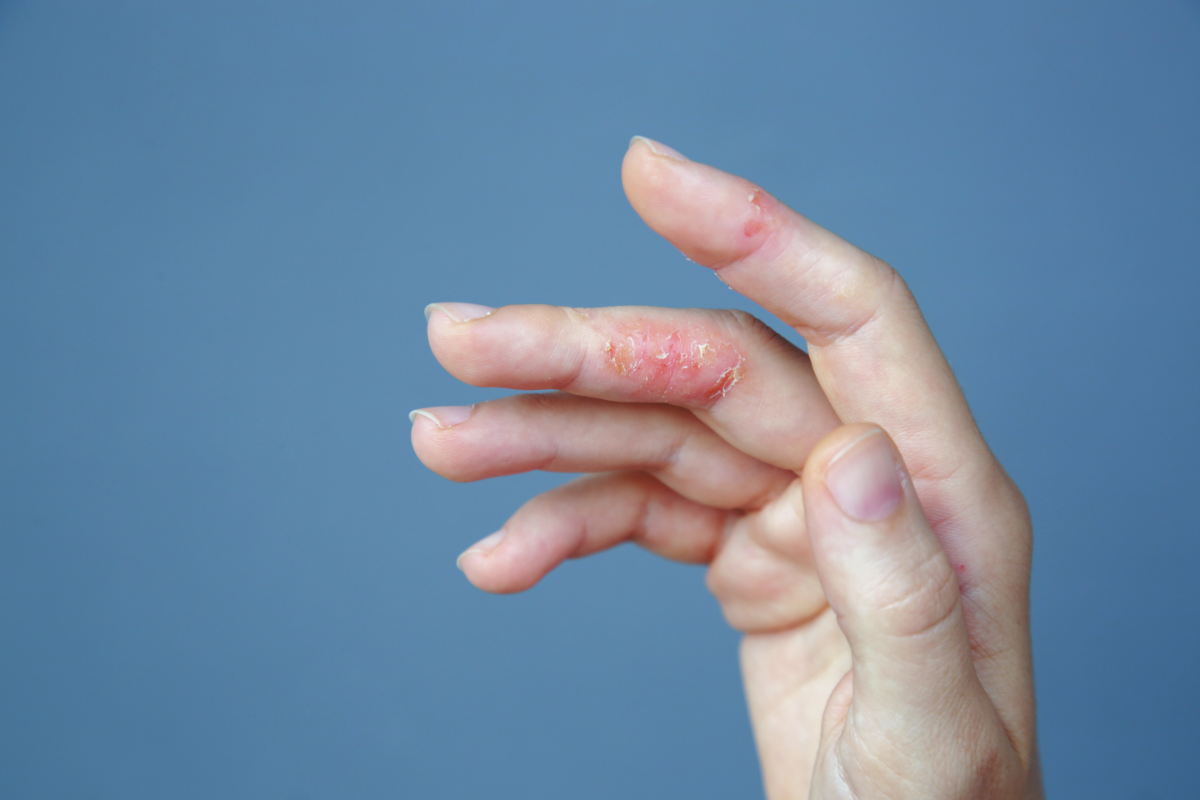
Allergies, those often uncomfortable immune reactions, affect many of us. Whether it’s a reaction to pollen, pet dander or certain foods, symptoms such as sneezing, difficulty breathing, watery eyes or skin rashes can seriously affect our daily lives. These symptoms result from the release of histamine in our bodies, a natural response aimed at combating … Read more