Essential oils and anxiety: can we really relax naturally?
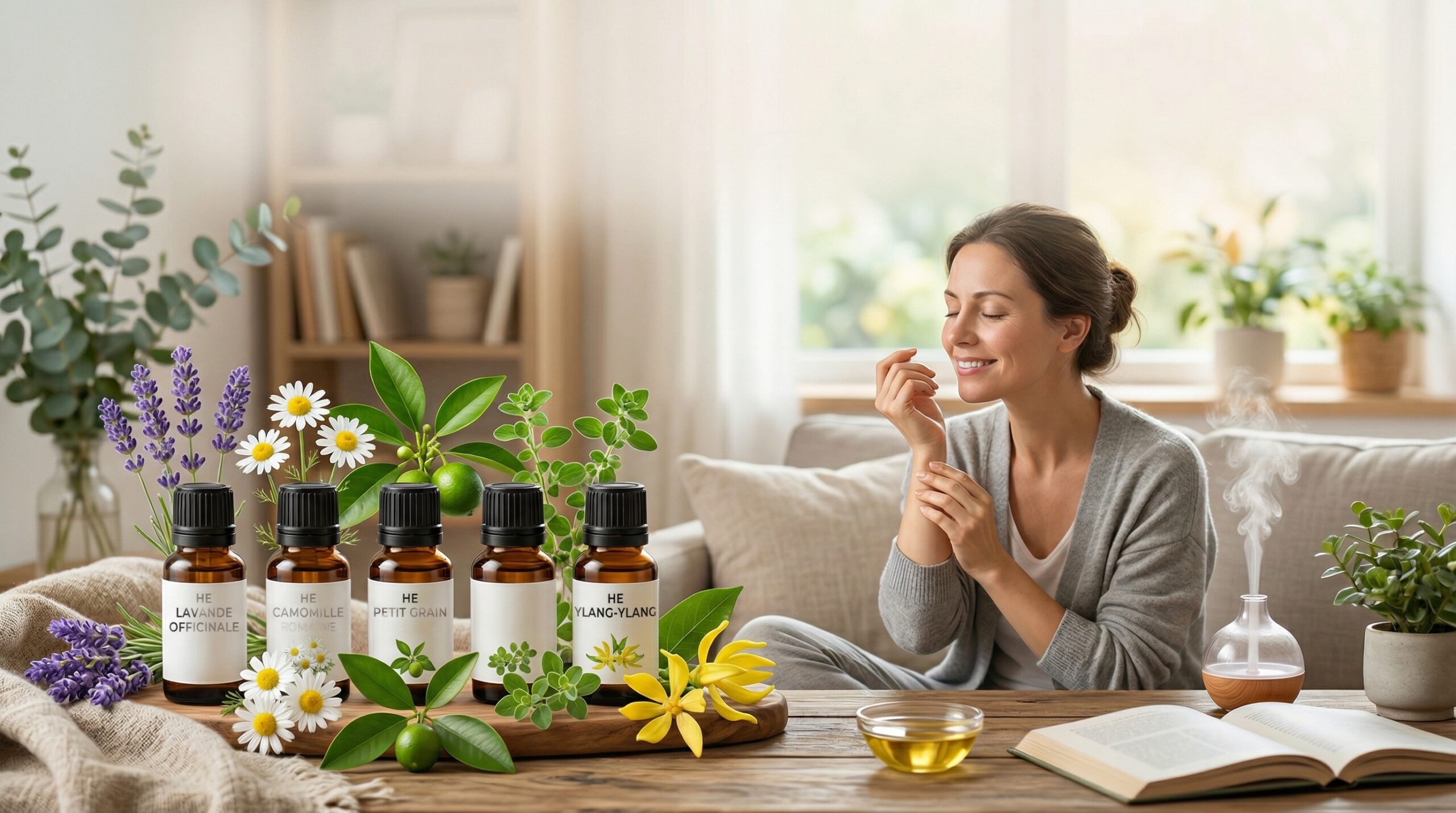
Find out how essential oils (lavender, chamomile, petitgrain) work on the nervous system to relieve anxiety. A comprehensive guide: key compounds, usage tips and essential precautions.
An essential oil is a natural aromatic compound extracted from plants. It is obtained by steam distillation or pressing of plant parts such as flowers, leaves, wood, resins, bark or roots. Each oil has a unique chemical composition, conferring specific properties. They are highly concentrated and should be used with caution. Used in aromatherapy, they are recognized for their benefits on physical and mental health. Essential oils can be applied in a variety of ways, including inhalation, diluted skin application, or sometimes orally under professional supervision. They play an important role in alternative medicine, well-being and in the cosmetics industry. However, their use requires an understanding of their properties and contraindications. Research continues to explore their effectiveness and safety.
The most effective essential oils depend on the desired goal. For example, lavender is known for its calming properties and is often used to promote sleep and reduce anxiety. Tea tree is known for its antibacterial and antifungal properties, making it a popular choice for skin care and household cleaning. Eucalyptus is frequently used to relieve cold and flu symptoms, while peppermint is valued for its cooling and stimulating effects. It is essential to choose quality essential oils, pure and undiluted, to fully benefit from their properties.
For a basic home aromatherapy kit, certain essential oils are a must. Lavender, for its soothing and relaxing properties, is excellent for stress and sleep. Tea tree is a must for its antibacterial properties, useful in cases of cuts or irritated skin. Eucalyptus and peppermint are good for breathing and can help with nasal congestion. Lemon is loved for its refreshing scent and cleansing properties. It is also helpful to have an essential oil like rosemary for concentration and mental fatigue. These oils offer a full range of benefits and can be used alone or in combination for synergistic effects.
Using essential oils offers many benefits for physical and mental well-being. They can be used to improve mood, reduce stress and anxiety, promote restful sleep, and increase focus and energy. On a physical level, they are beneficial for relieving pain, improving breathing, and supporting skin health. Essential oils are also used in cosmetics for their regenerating and balancing properties. Additionally, they can be used in relaxation and meditation practices, adding an aromatic dimension that can help deepen the relaxation experience.
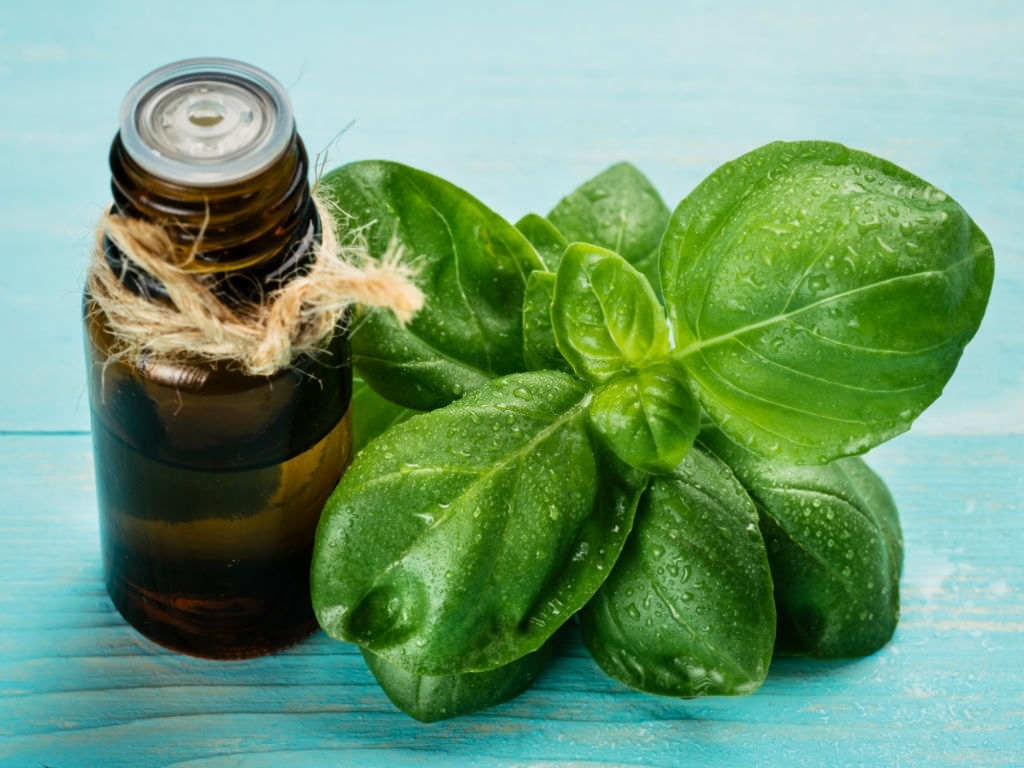
There are a wide variety of essential oils, each with their unique characteristics. Flower oils like lavender, ylang-ylang and rose are known for their calming and balancing properties. Citrus oils like lemon, orange and grapefruit are popular for their energizing and refreshing effect. Tree oils and resins, such as pine, cedar and frankincense, are used for their grounding and purifying properties. Mint oils, such as peppermint and spearmint, are known for their cooling and stimulating effect. Herbal oils like rosemary and basil are used for concentration and relief from mental fatigue. Each type of oil has distinct chemical properties and recommended uses based on its specific effects.
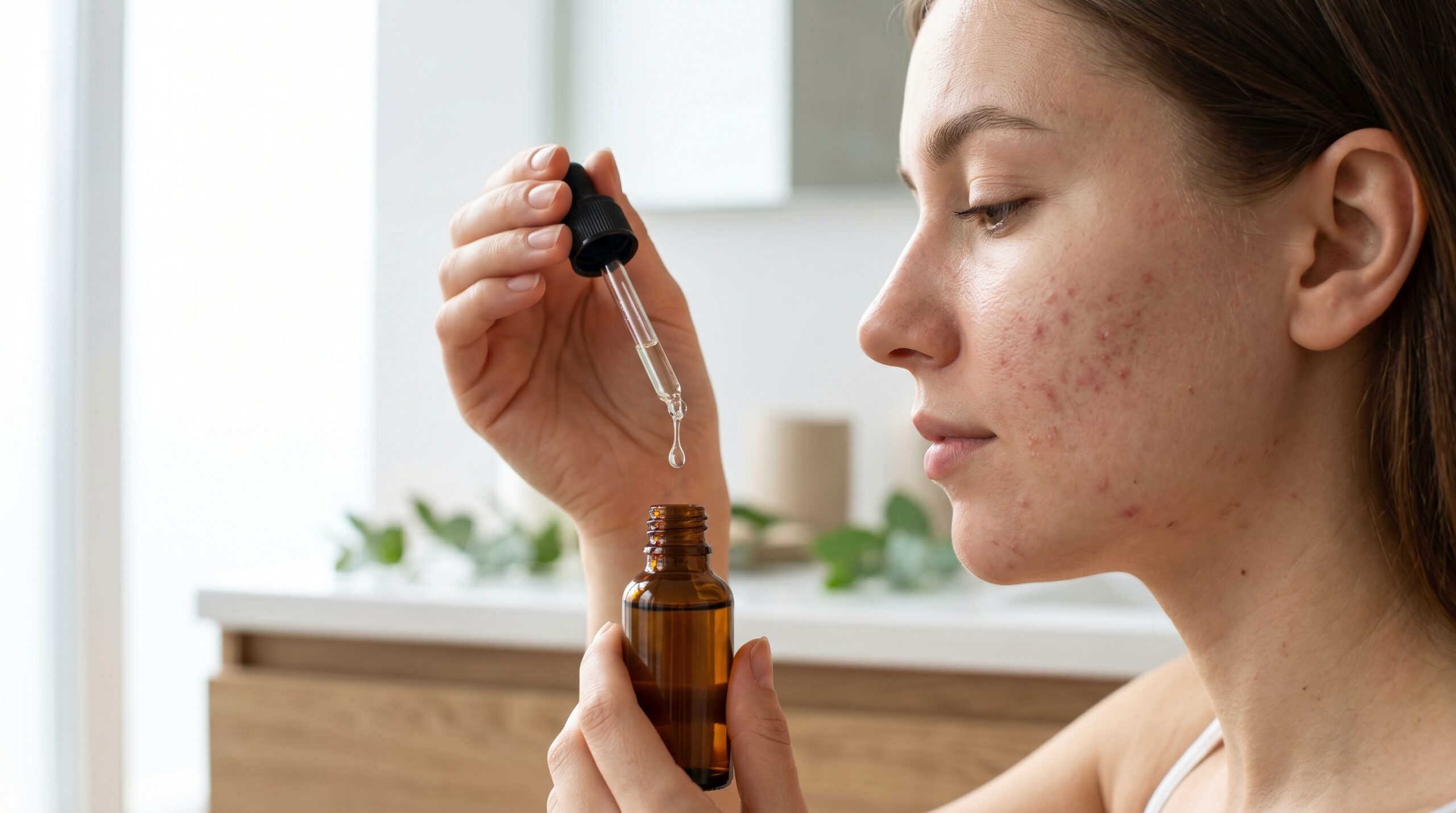
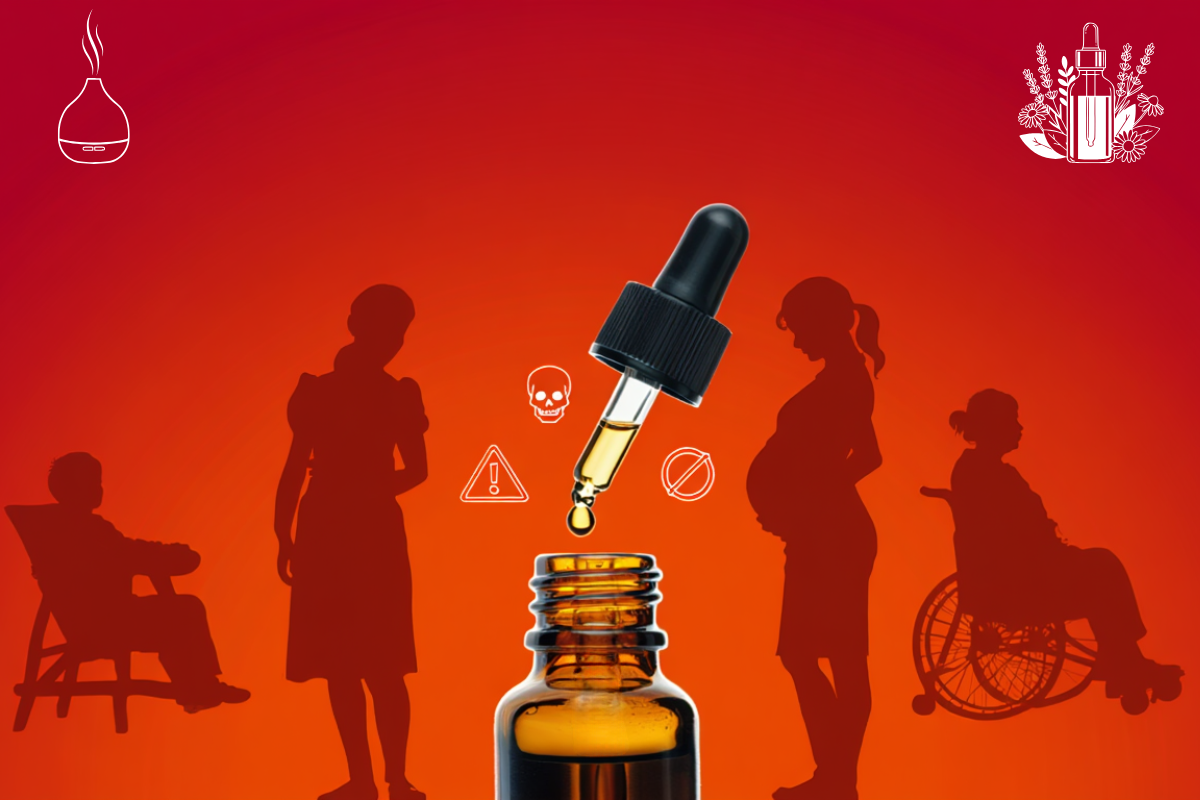
Safe use of essential oils is crucial. It is advisable to always dilute essential oils with a carrier oil before applying them to the skin to avoid skin irritation. It’s also important to do a patch test, especially if you’re using an oil for the first time. Inhalation should be done in moderation, and certain oils should not be used by pregnant women, children, or people with specific medical conditions. It is essential to educate yourself and, if possible, consult an aromatherapy professional or doctor before starting any treatment with essential oils.
The ingestion of essential oils is a subject of debate. Some are safe to ingest, but only under the supervision of a qualified healthcare professional experienced in aromatherapy. It is important to never ingest essential oils without professional advice, as they are extremely concentrated and can be toxic if used incorrectly. Oils intended for ingestion should be pure, therapeutic grade, and always follow the precise dosage instructions on the product label.
Caution is advised when using essential oils in children and pregnant women. Some oils may be safe if properly diluted and used in small amounts, but others should be avoided. For example, it is generally advisable to avoid the use of essential oils containing camphor, such as eucalyptus and rosemary, in young children. It is always best to consult a healthcare professional before using essential oils in these sensitive populations.
The quality of essential oils is essential for their effectiveness and safety. Look for oils that are pure, undiluted and free of additives. It is important to check the information on the label, including the botanical name of the plant, its origin, the method of extraction and if possible, the results of purity tests. Choose brands that are reputable and transparent about their sourcing and distillation methods. Be wary of cheap oils, as they may be substandard or adulterated.
Find out how essential oils (lavender, chamomile, petitgrain) work on the nervous system to relieve anxiety. A comprehensive guide: key compounds, usage tips and essential precautions.
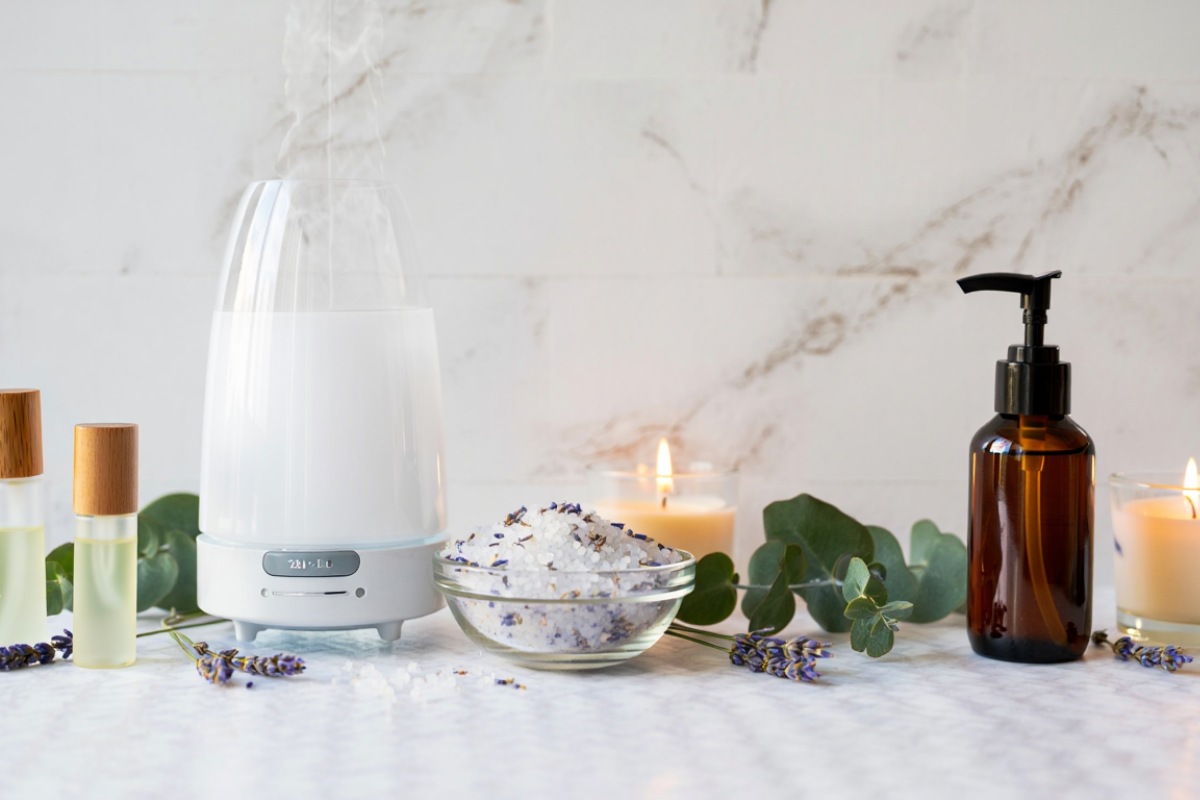
Essential oils are highly concentrated plant extracts, and just a few drops are enough to be effective, provided you choose the right method of administration and dosage. This article details the main ways to use them on a daily basis (skin application, diffusion, baths, oral or rectal administration), recommended dilutions, at-risk populations, and essential precautions to enjoy their benefits while limiting adverse effects.
An essential oil is a highly concentrated liquid extract obtained by distilling aromatic plants. It is rich in active molecules that can be beneficial but also potentially toxic if the correct dilutions, route of administration and duration of use are not observed. This article explains the main types of toxicity (skin irritation, photosensitisation, neuro-, hepatotoxicity and nephrotoxicity), details general precautions (never apply undiluted to the skin or in the eyes, never inject, caution with children and pregnant women) and the correct response in the event of an accident, as well as storage rules for the safe everyday use of essential oils.
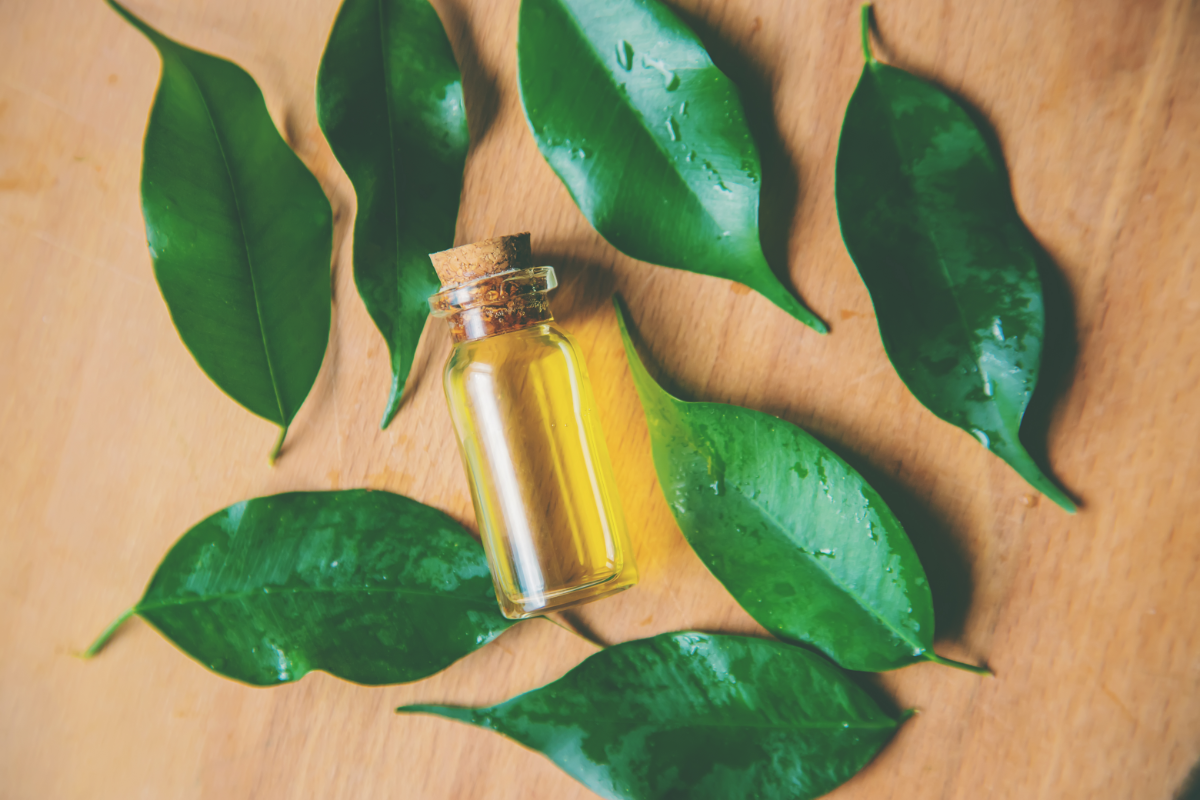
Discover Tea Tree essential oil, this natural treasure that has been revered for centuries for its properties properties. Native to Australia and nicknamed “the green gold of the fifth continent”, this essential oil is renowned for its effectiveness against a multitude of ailments. From its antiseptic and antibacterial benefits to its revolutionary cosmetic uses, dive … Read more
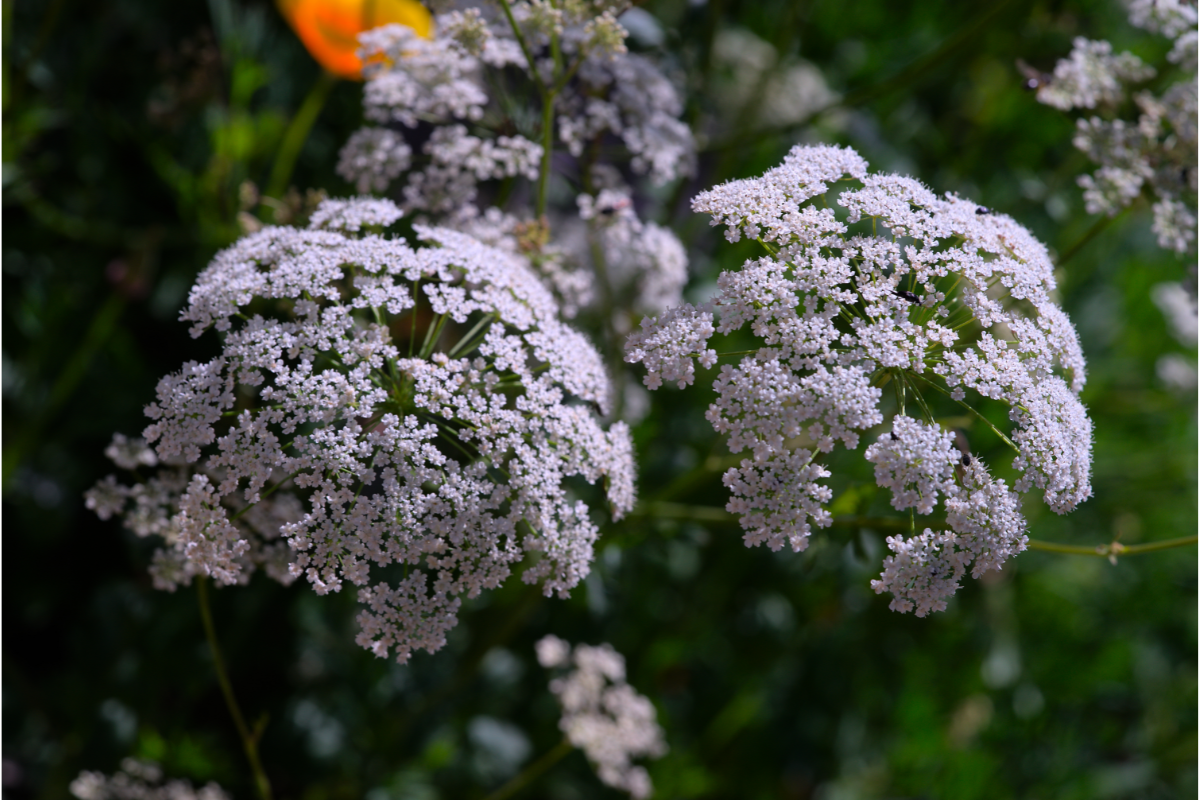
Anise, a plant with an enchanting fragrance and a host of virtues, takes us on a fascinating journey through history. Cultivated for over 4,000 years, this natural treasure has travelled down the ages, from the sunny shores of the Mediterranean to the tables of the great thinkers of Antiquity. Today, aniseed continues to attract interest, … Read more
Is it possible to improve one’s health while enjoying tasty food? When I talk about improving your health, I’m not just talking about losing weight, but rather about taking care of your body, keeping it free of disease and even curing it if necessary. All this is possible by adding essential oils to your cooking. … Read more
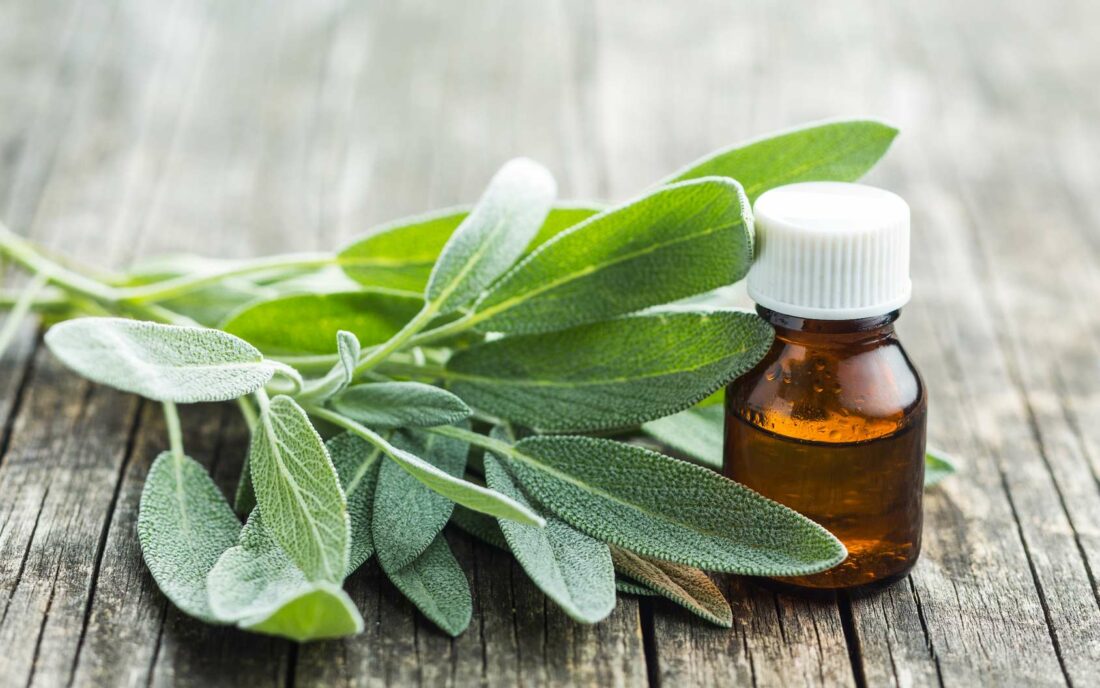
Clary sage, whose name comes from the Latin salvare = to heal , has medicinal properties known since Antiquity. Obtained by hydrodistillation of the inflorescences, clary sage essential oil is also used in the composition of vermouths , particularly in fine perfumery. Known in Europe since the year 800, clary sage is robust and very aromatic. A little history This essential oil was … Read more
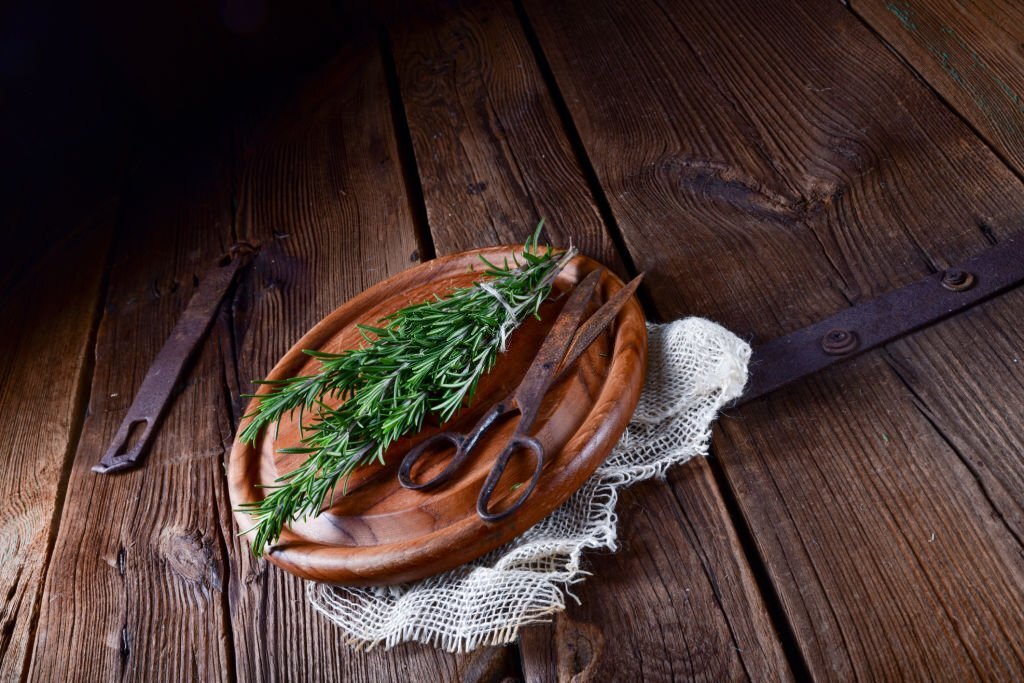
Camphor rosemary, whose botanical name is Rosmarinus officinalis camphoriferum, belongs to the Lamiaceae family. Its essential oil is obtained from the flowering branches. History of Rosemary A symbol of love, marriage and death, ancient rosemary was used in religious rituals. It became a therapeutic plant in Arab medicine in the 10th century. Rosemary is a … Read more
Aromatherapy is a branch of phytotherapy using essential oils and aromatic essences. Obtained from plants, these substances contain active ingredients capable of improving the discomfort of joint problems. Essential oils for joints provide effective and rapid responses, which are very useful in the event of a crisis. Essential oils provide immediate, targeted benefits, through localised … Read more
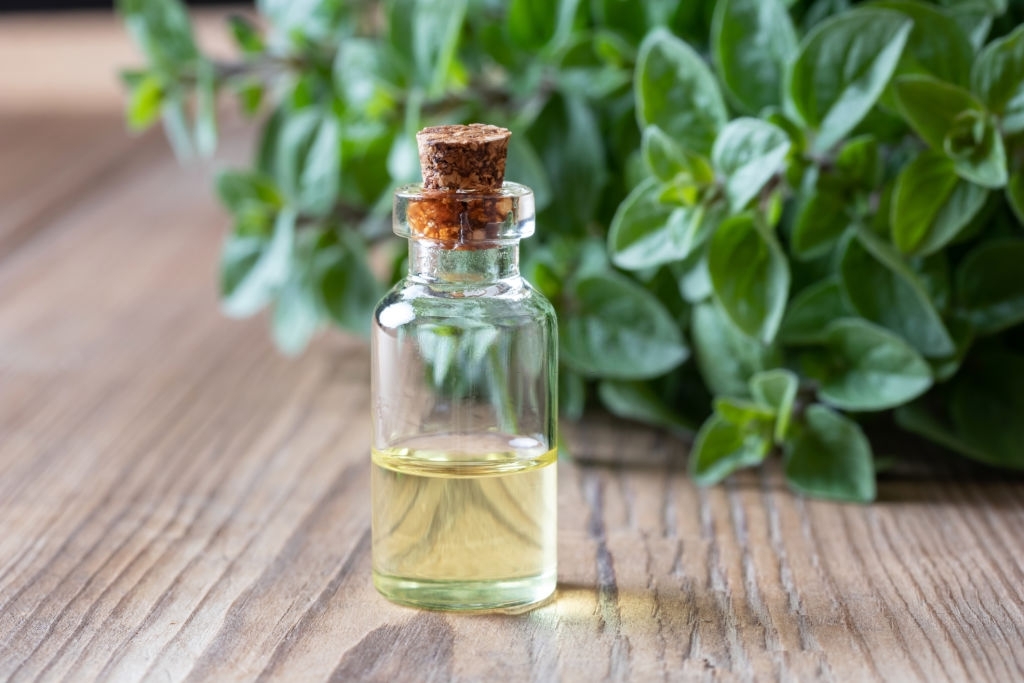
Originally from the Mediterranean basin and Central Asia, oregano appeared in Antiquity as a product with medicinal properties . A cousin of marjoram , this aromatic plant was considered “sacred” by both Egyptians and Indians. Oregano has been one of the essential herbs for medicine and cooking since ancient times. But beware, very different species are often mistakenly called “oregano”. A little history The … Read more
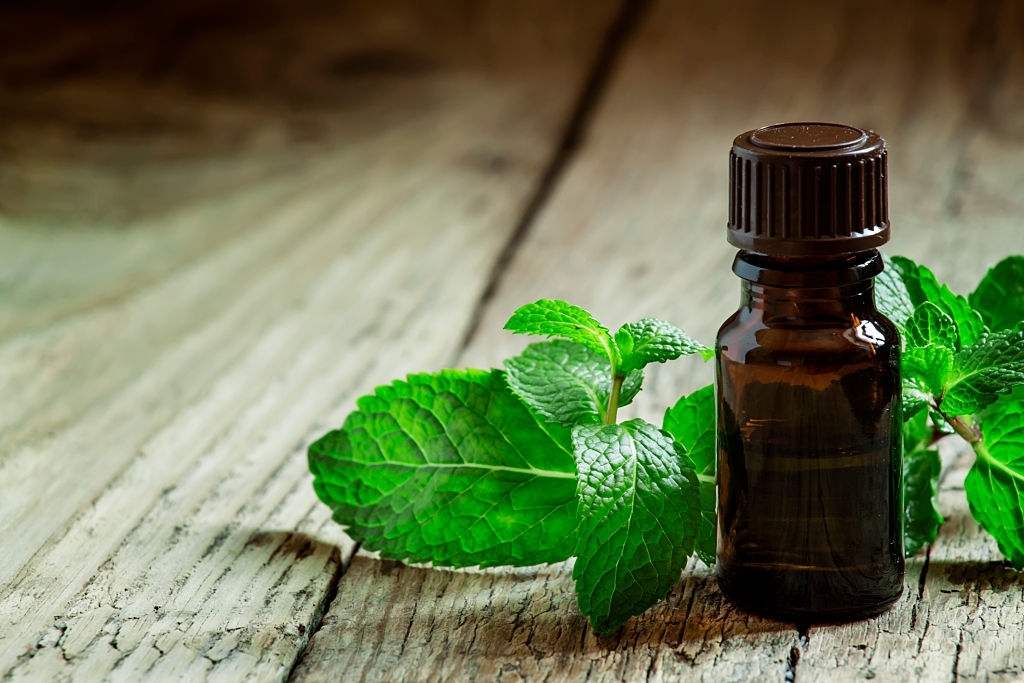
Illustrious since antiquity, peppermint was first described in England in 1696 and subsequently cultivated in Germany and then in the Netherlands around 1750. Traces of its cultivation date back nearly 4,000 years . In Edfu, Egypt, hieroglyphs found on the walls of a temple indeed allow us to consider that the Egyptians used mint to make a number … Read more
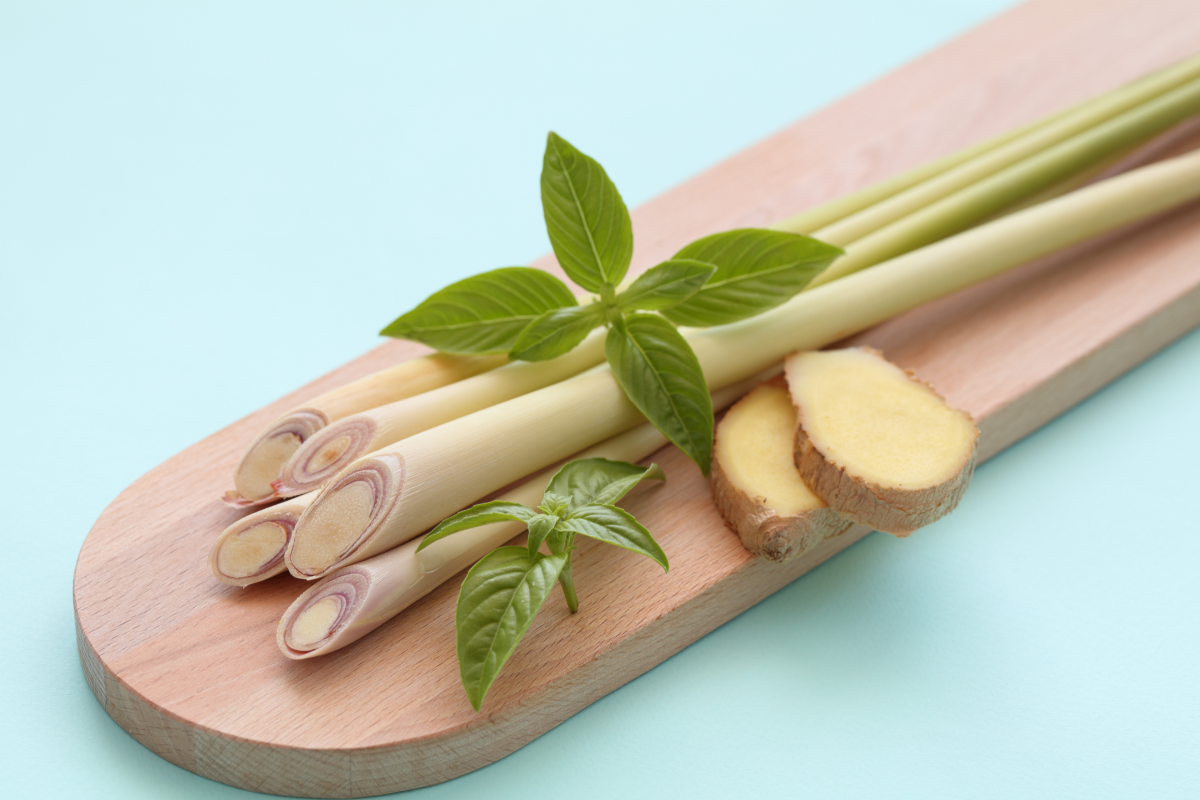
Lemongrass, whose botanical name is Cymbopogon flexuosus, belongs to the Poceae family (Gramineae). Its essential oil-producing organs are its herb (aerial part) and its rhizomes. Its mode of action is based on Geranial or citral a (or trans-citral) and Neral or citral b(cis-citral), which are isomers. They are anti-cancer, sedative and anti-viral. Lemongrass, the emblematic … Read more
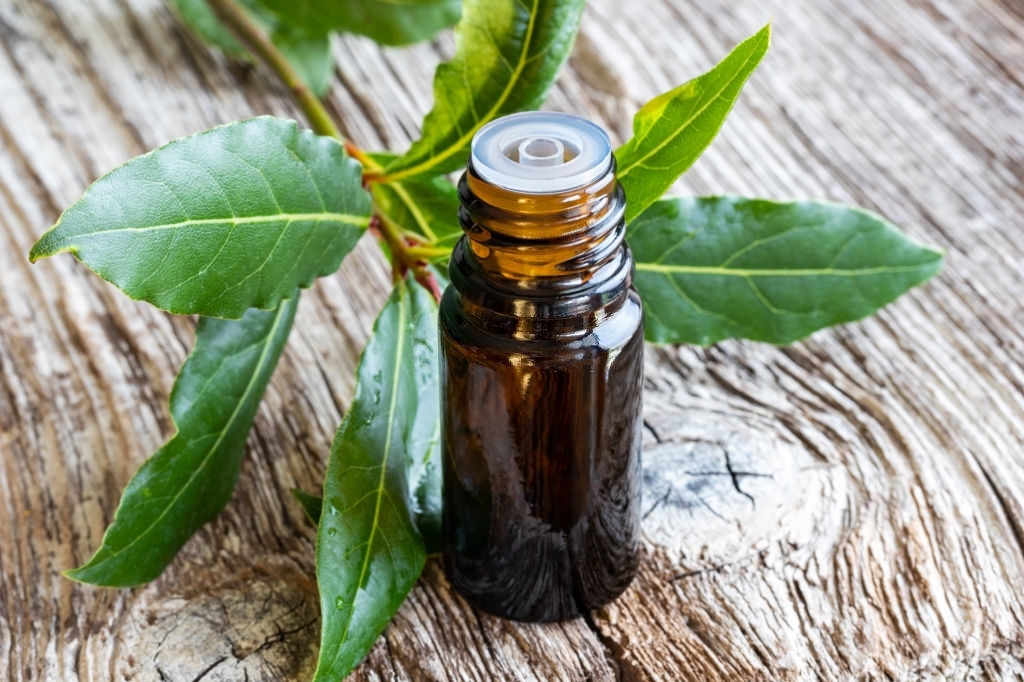
The noble laurel, whose botanical name is Laurus nobilis, belongs to the Lauraceae family. Its essential oil is produced from its leaves (young leaves) and fruiting branches. History of Noble Laurel This tree has been venerated since ancient times by the Greeks and Romans. They adorned their emperor’s head with a laurel wreath. Dedicated to … Read more
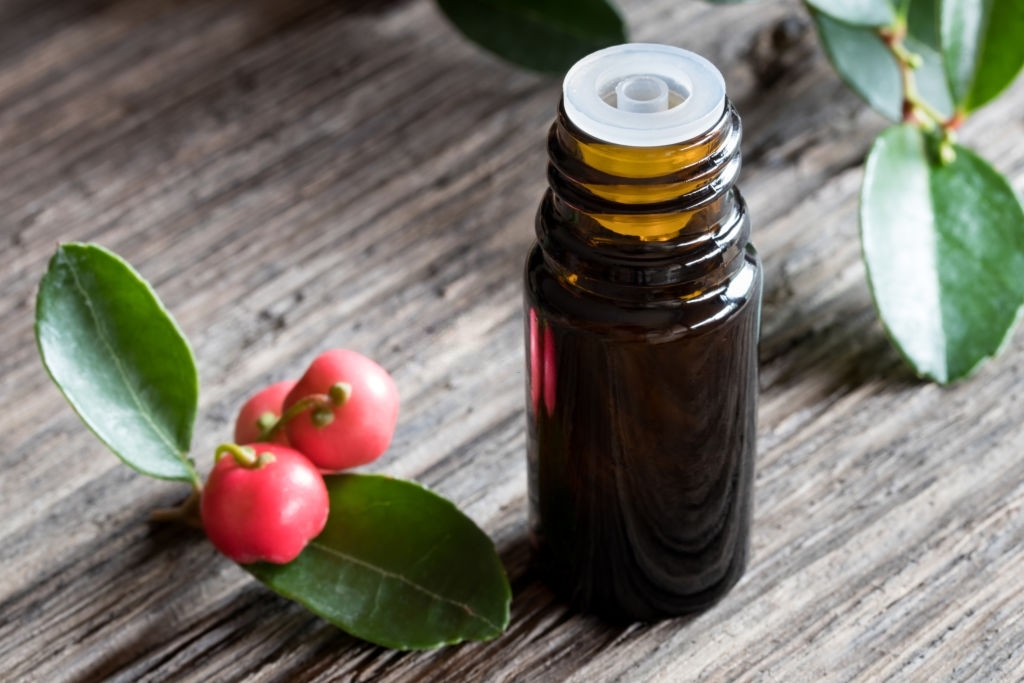
Wintergreen was known and used for a long time by Amerindians for inflammatory pathologies . The Indians in fact made an enormous consumption of wintergreen, both internally, against infectious diseases , to bring down fever, and externally, to relieve their pain and heal their wounds. A little history At the beginning of the 19th century, the Iroquois prepared “ Swains panacea ”, … Read more
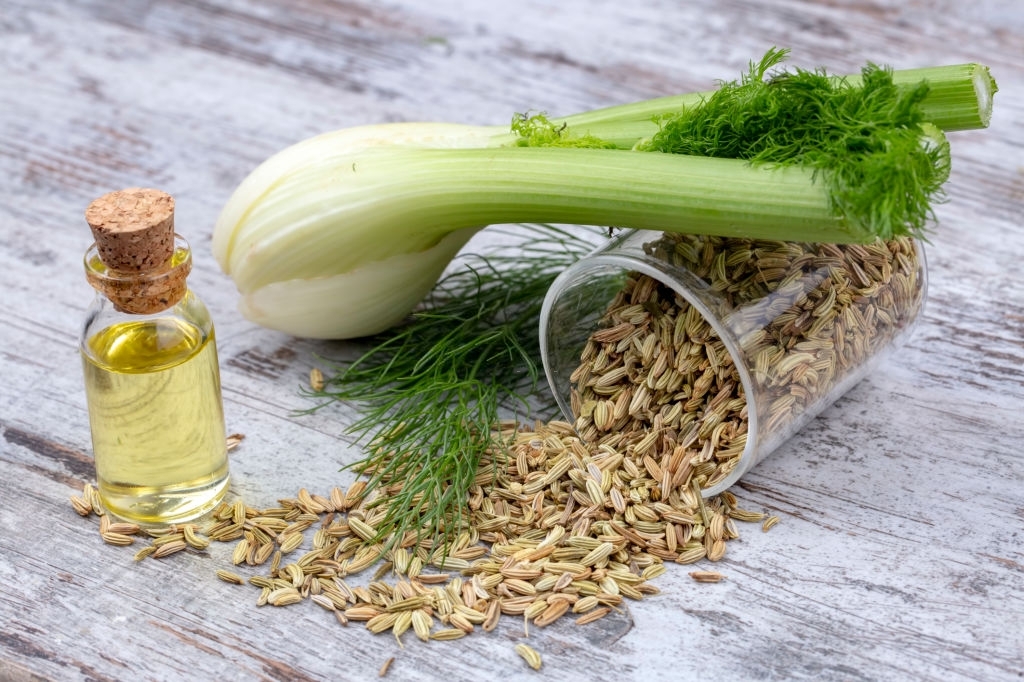
In ancient Egypt, papyri almost 5,000 years old indicate the presence of fennel at that time. It is the same for Mesopotamian tablets from Babylon or from Assyria. Quoted and widely used by the Greeks, Arabs and Chinese, fennel also appears in certain botanical literary works of the Middle Ages. This plant has therefore long been considered a … Read more
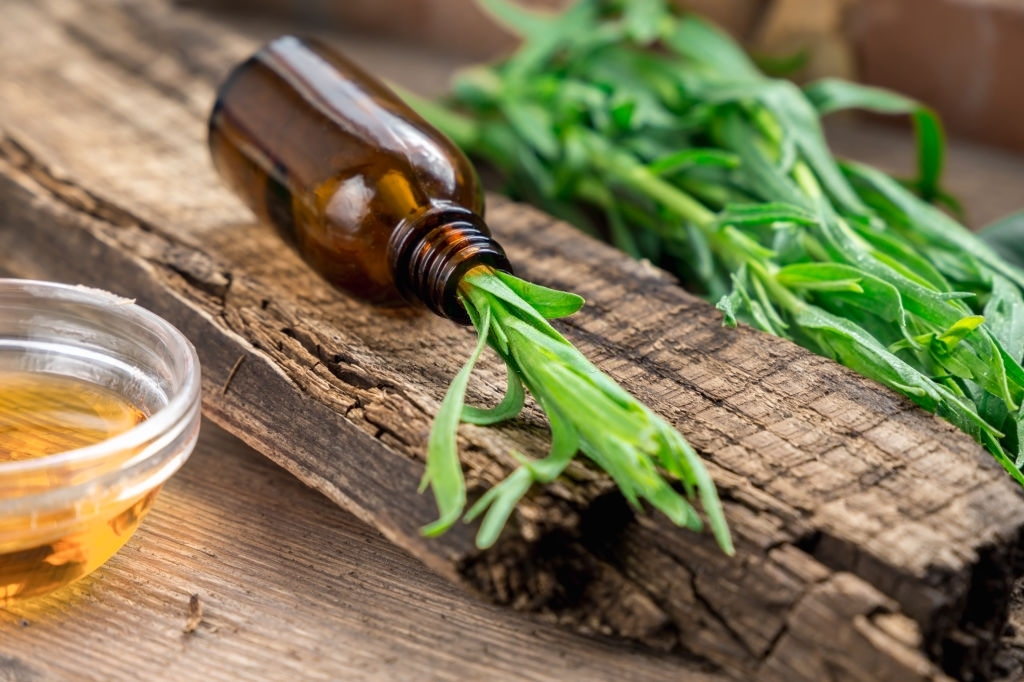
Tarragon, whose botanical name is Artemisia dracunculus, belongs to the Asteraceae family. Its producing organs are its aerial parts. The history of tarragon Tarragon was introduced to Europe during the Crusades. But it has a long tradition as a medicinal plant and spice in Asia and Siberia. As well as being used in cookery books, … Read more
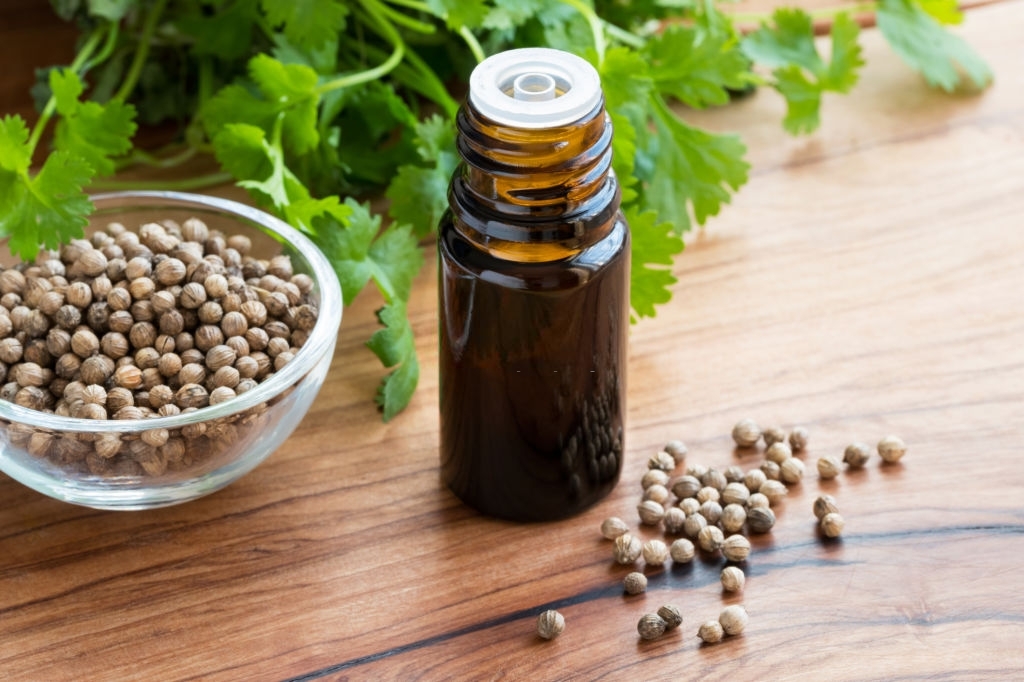
Cilantro is one of the oldest aromatic herbs in the world . In Antiquity, the Romans were keen on it. The spice appears in more than 70 dishes from the collection of recipes of the gastronomic Roman Apicius . It is mentioned in Sanskrit writings, the Ebers papyrus , the Old Testament … without forgetting its use in China, more than 2000 years ago … This plant, in … Read more
To fully understand the sacred dimension that surrounds this basil, it is important to retrace its steps, and to go to its original land, that is to say India. There, basil is just as sacred as verbena was to the Romans, if not more so. Very small “temples” are erected there, as well as veritable altars surrounded by walls … Read more
Also called “royal herb”, basil is known for its many medicinal properties . Before landing in the crucible of old-time stills, basil has come a long way. The adjective “tropical”, moreover, is there to remind us of its origin, because in fact, tropical basil does indeed originate from the Indian subcontinent . A little history More than 4000 years ago, the … Read more
Aromatherapy is a branch of phytotherapy that uses essential oils from aromatic plants to support physical and emotional health, particularly through the skin, respiratory system or sometimes orally under supervision. It relies on extracts that are highly concentrated in active molecules, whose quality (botanical, chemotype, extraction method) and preservation determine their efficacy and safety, within a specific regulatory framework and with special precautions for children, pregnant women and sensitive individuals.