The immune system and allergies: why plants used to ‘boost’ the immune system can sometimes be dangerous
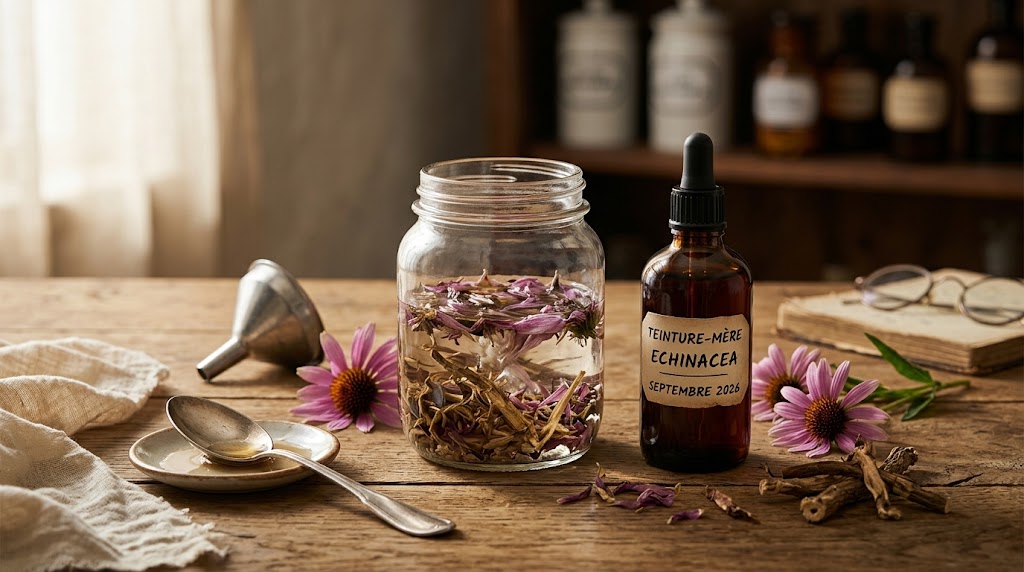
Autoimmune disease or allergies? Find out why trying to ‘boost’ your immunity with plants such as echinacea can be dangerous to your health.
Phytotherapy, also known as herbalism, is a medicinal approach based on the use of the properties of plants to prevent, relieve or treat various ailments. It relies on the richness of bioactive compounds in plants, which can have beneficial effects on human health.
Medicinal plants contain a diversity of compounds, such as polyphenols, terpenes, flavonoids, and alkaloids, which can act in different ways on the body. These compounds may have anti-inflammatory, antioxidant, antimicrobial, and other beneficial actions.
Herbal medicine is used to treat a wide range of conditions, including gastrointestinal disorders, sleep problems, skin conditions, hormonal imbalances, respiratory disorders, and even emotional aspects such as stress and anxiety .
Certain plants are renowned for their potential to support weight loss, but it is essential to emphasize that herbal medicine alone is generally not a miracle solution for weight loss. It can be used in addition to a healthy diet and exercise.
The effectiveness of herbal medicine depends on the disorder being treated, the plant used, and the individual response. Some plants have well-studied and research-backed properties, while others still require further investigation.
Herbal medicine may be recommended by qualified health professionals, such as herbalists, naturopaths, integrative physicians, or certified herbalists. These practitioners are trained to assess individual needs and recommend personalized approaches.
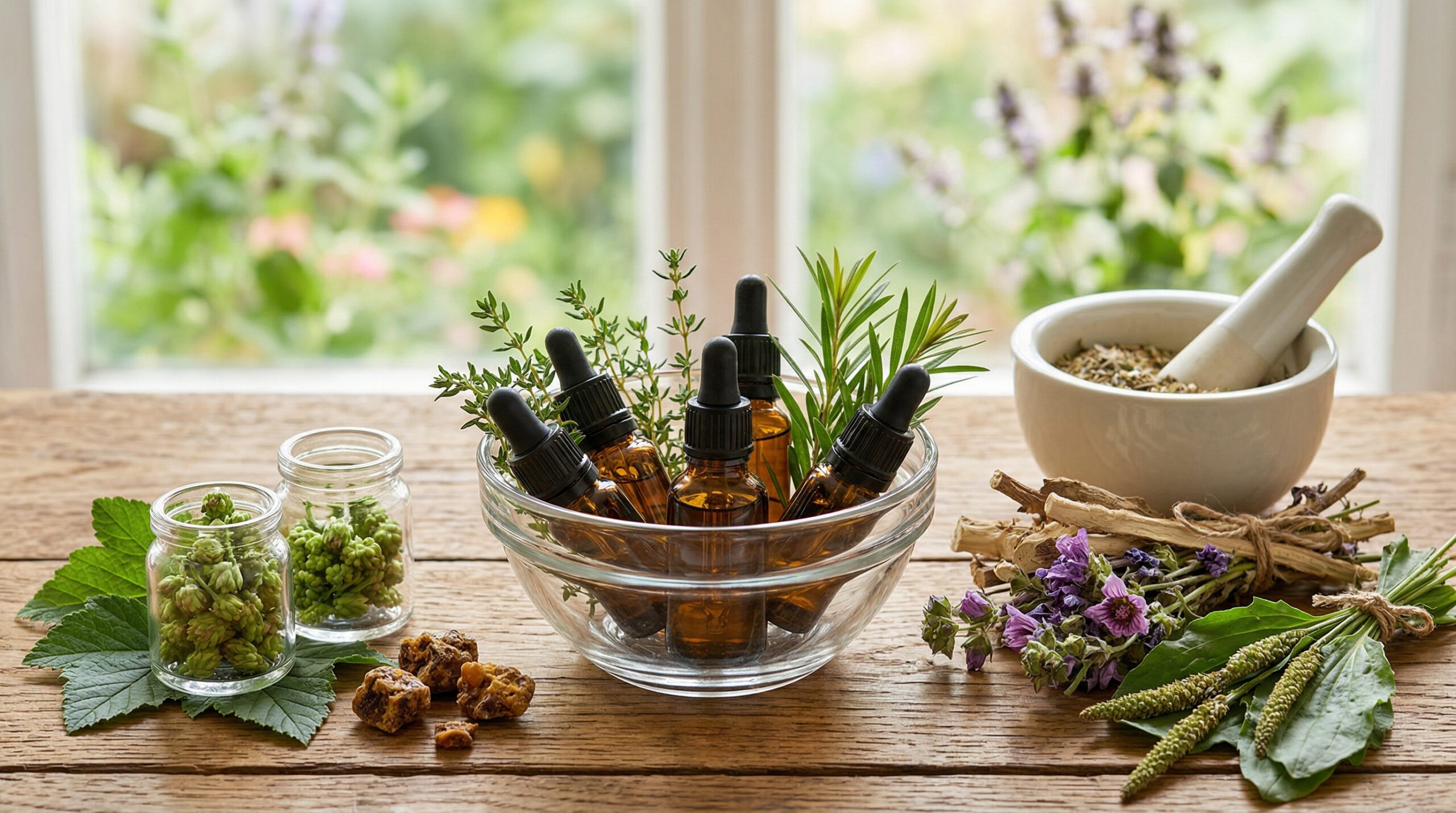
Herbal medicine products include a diverse range of plant extracts in different forms, such as herbal teas, tinctures, dietary supplements, ointments and essential oils. These products are often available in specialty stores or under the supervision of health professionals.
Although considered safe, herbal medicine may pose risks for certain people, such as pregnant women, children, and those with specific health conditions. Prior medical consultation is recommended.
Reliable information can be obtained from qualified health care practitioners, herbal medicine professionals, medical publications, and reputable online sources. It is essential to verify the credibility of information sources.
Autoimmune disease or allergies? Find out why trying to ‘boost’ your immunity with plants such as echinacea can be dangerous to your health.
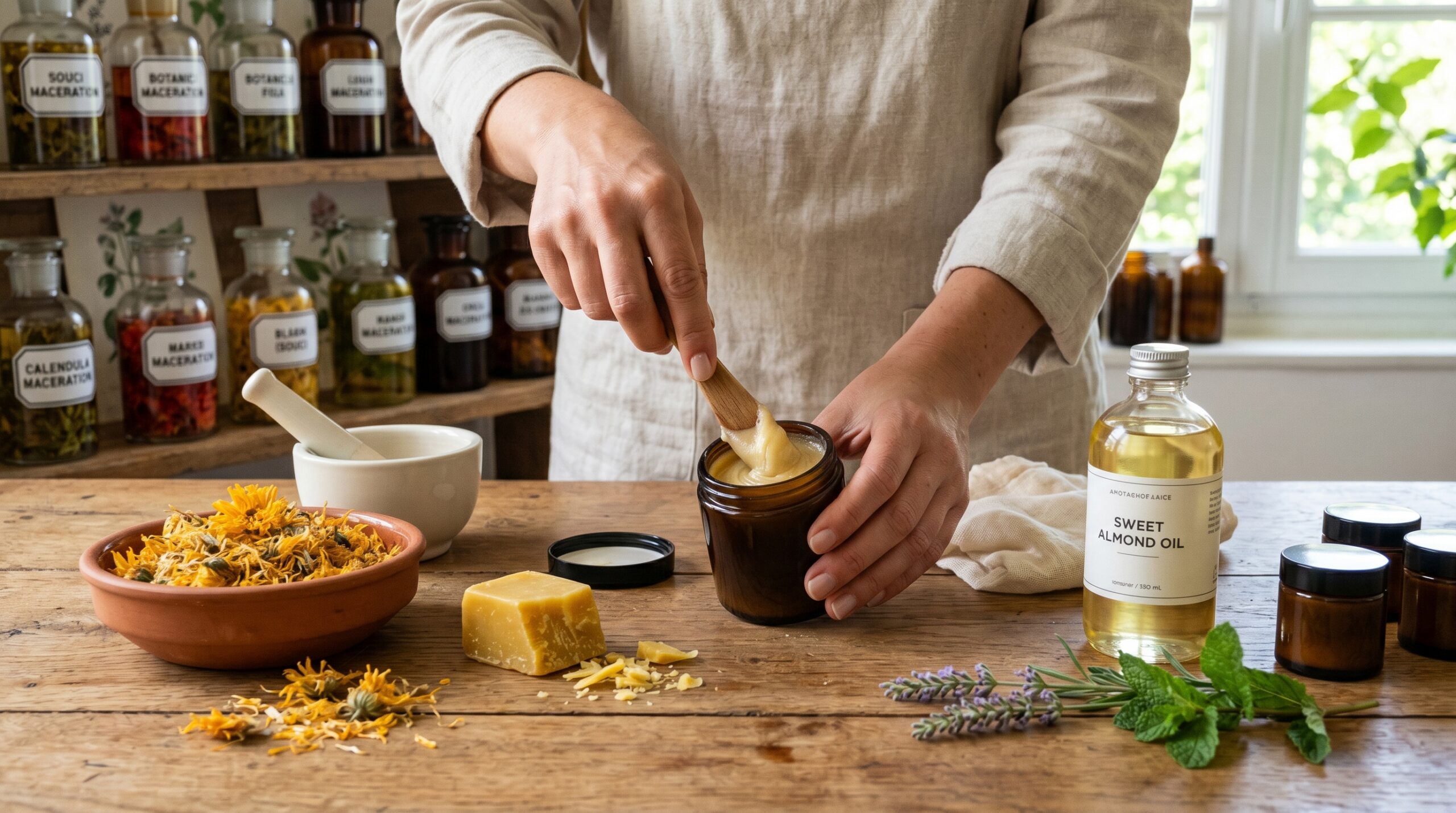
Discover how to optimise your skincare routine with topical herbal remedies. This comprehensive guide reveals the formulation secrets behind ointments, creams and oil macerates for targeted action on the skin. Learn how to prepare your own poultices and oil infusions (using the cold method or a bain-marie) to soothe inflammation and promote healing, with the pharmacist’s expert guidance.
Discover the secrets of mother tinctures, a cornerstone of herbal medicine. Learn why this hydro-alcoholic macerate ensures optimal absorption of active ingredients and exceptional shelf life. From selecting dried plants to the maceration and dosing process, this comprehensive guide will help you make your own mother tinctures for an effective and safe natural medicine cabinet.
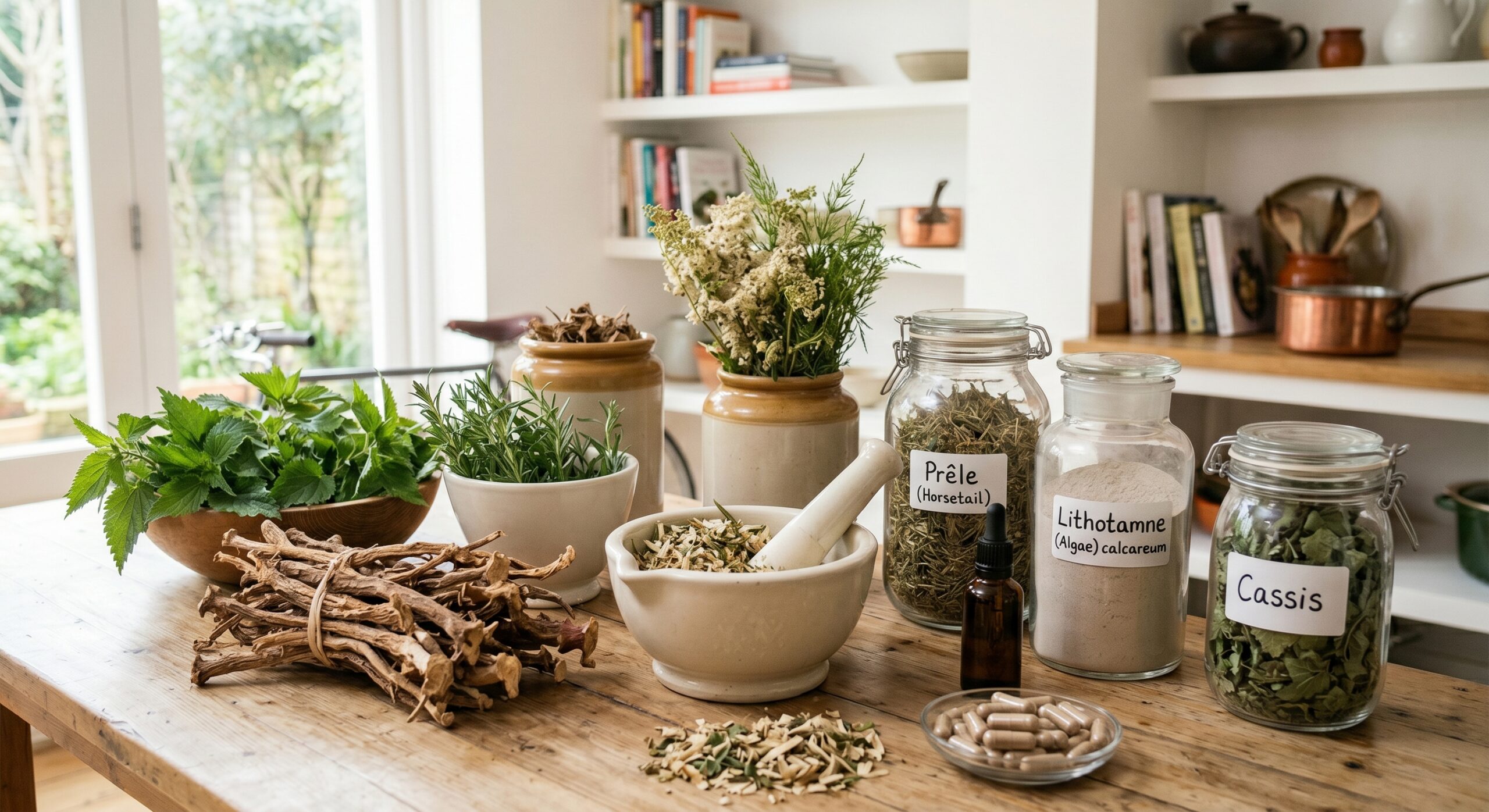
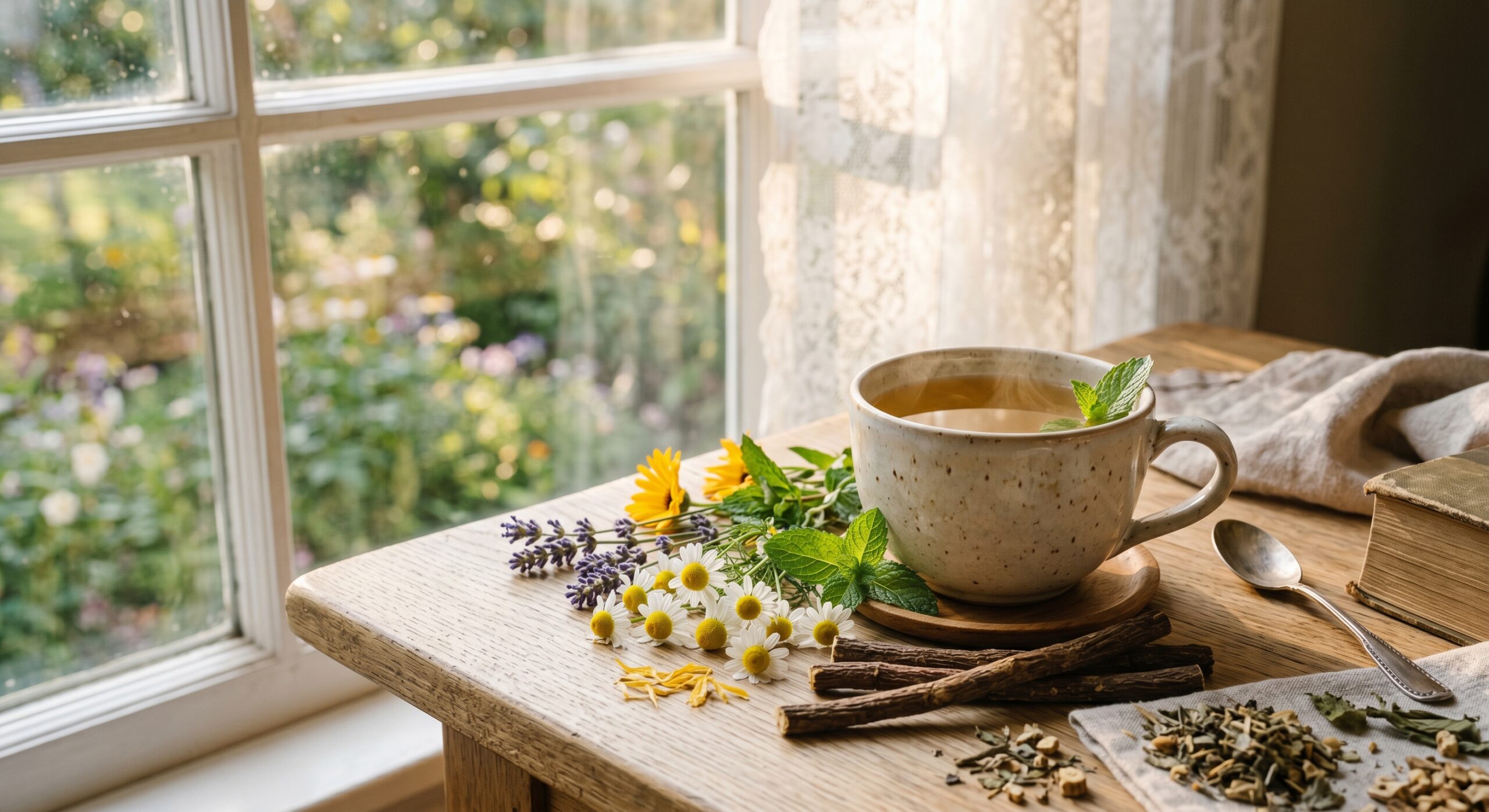
Master the art of making medicinal herbal teas with this guide, which complies with the French Pharmacopoeia. Learn how to choose the ideal extraction method for each plant: infusion for flowers, decoction for roots, or maceration for sensitive active ingredients. Discover our expert advice on dosage, rules for blending medicinal herbs, and storage precautions to ensure maximum therapeutic effectiveness.
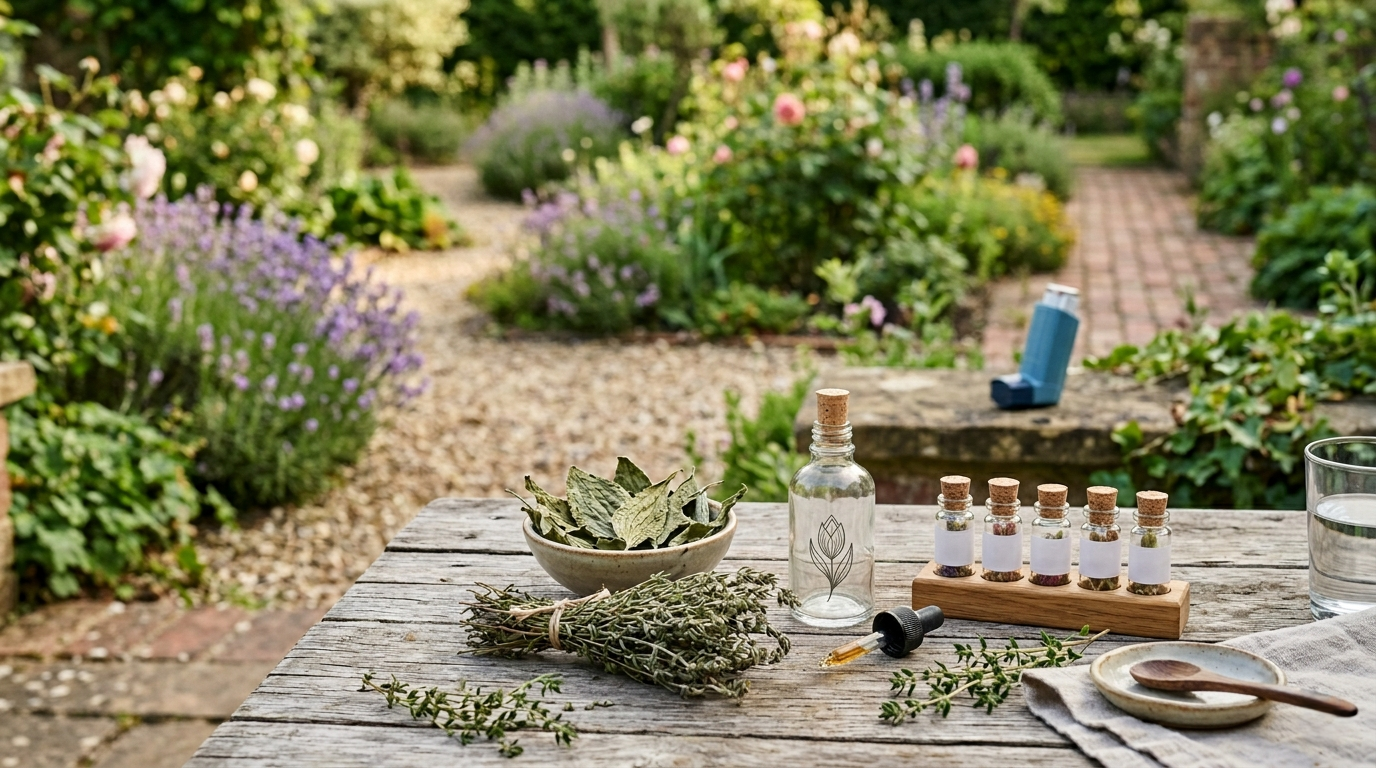
Looking for an effective, natural remedy for a sore throat? Discover our comprehensive guide: cleansing essential oils (thyme, tea tree), soothing plants rich in mucilage (mallow, marshmallow) and gemmotherapy to boost immunity. Learn how to soothe your throat and prevent further episodes using nature’s remedies.
Medicinal plants can offer a useful natural remedy for stress when anxiety is mild to moderate. When chosen and dosed correctly, they help to ease tension, improve sleep and alleviate physical symptoms (such as palpitations, stomach cramps and a knot in the stomach), without the habit-forming effects of some conventional treatments. However, they are not a substitute for medical supervision in cases of severe anxiety, but form part of a holistic approach: a healthy lifestyle, self-awareness, and psychological support where needed.
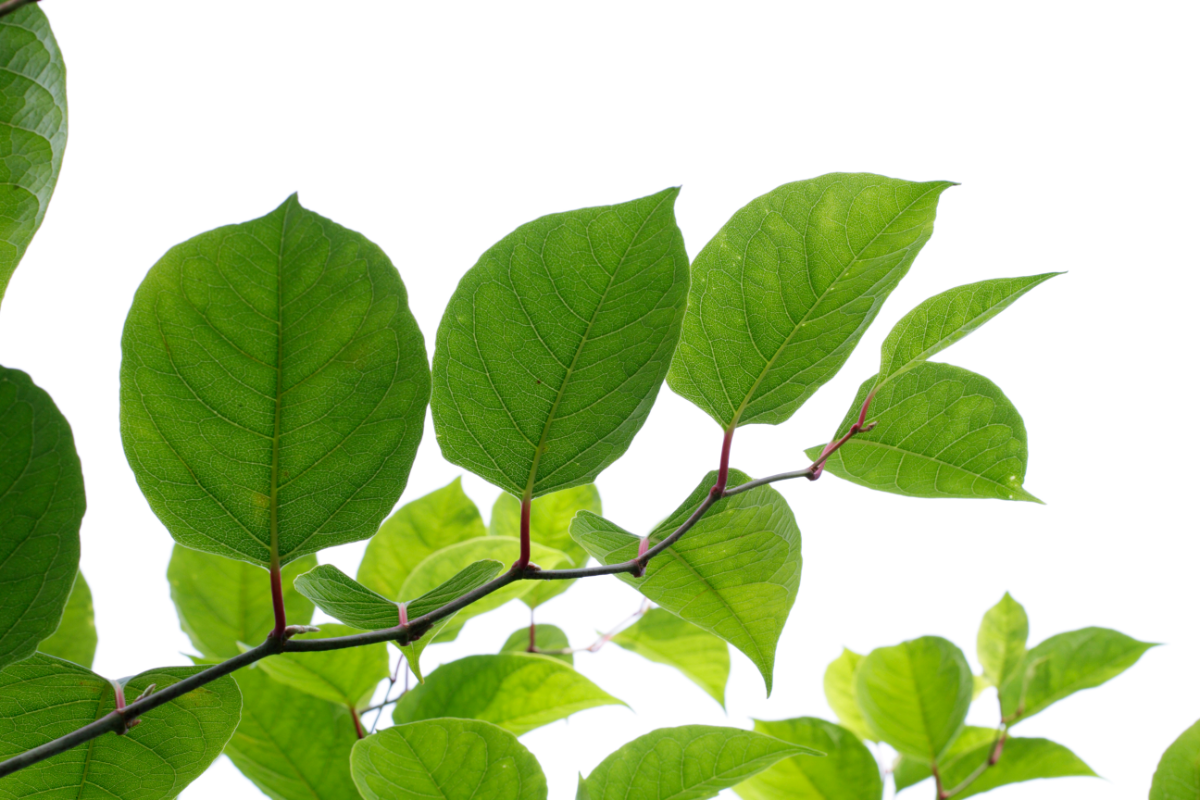
Japanese Knotweed, scientifically known as Fallopia japonica, is a plant that is attracting increasing interest for its potential health benefits. Native to Asia, this plant has traditionally been used in alternative medicine, but its effectiveness is now being studied in greater depth. In this article, we take a look at the benefits of Japanese Knotweed, … Read more
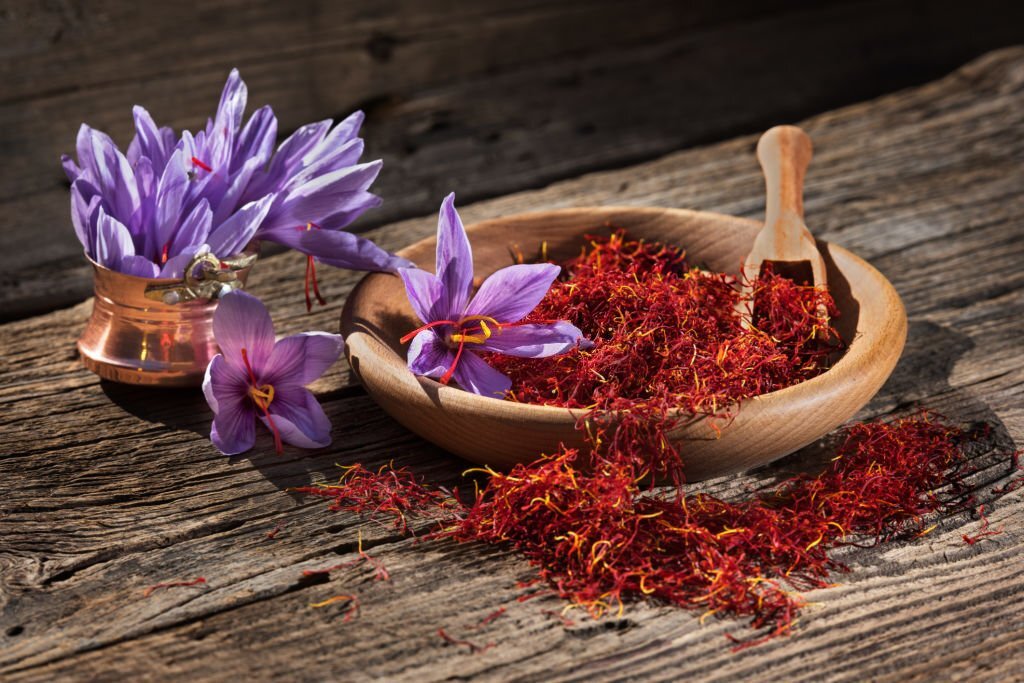
Saffron is an atypical crocus in many respects and whose reputation is well established. Unlike other crocuses , it is the only one whose flowering is autumnal . The preciousness that characterizes it makes it particularly expensive, and this since the highest antiquity, and also remarkable; as I will now practice demonstrating. A little history 4000 years, it is approximately the age of the … Read more
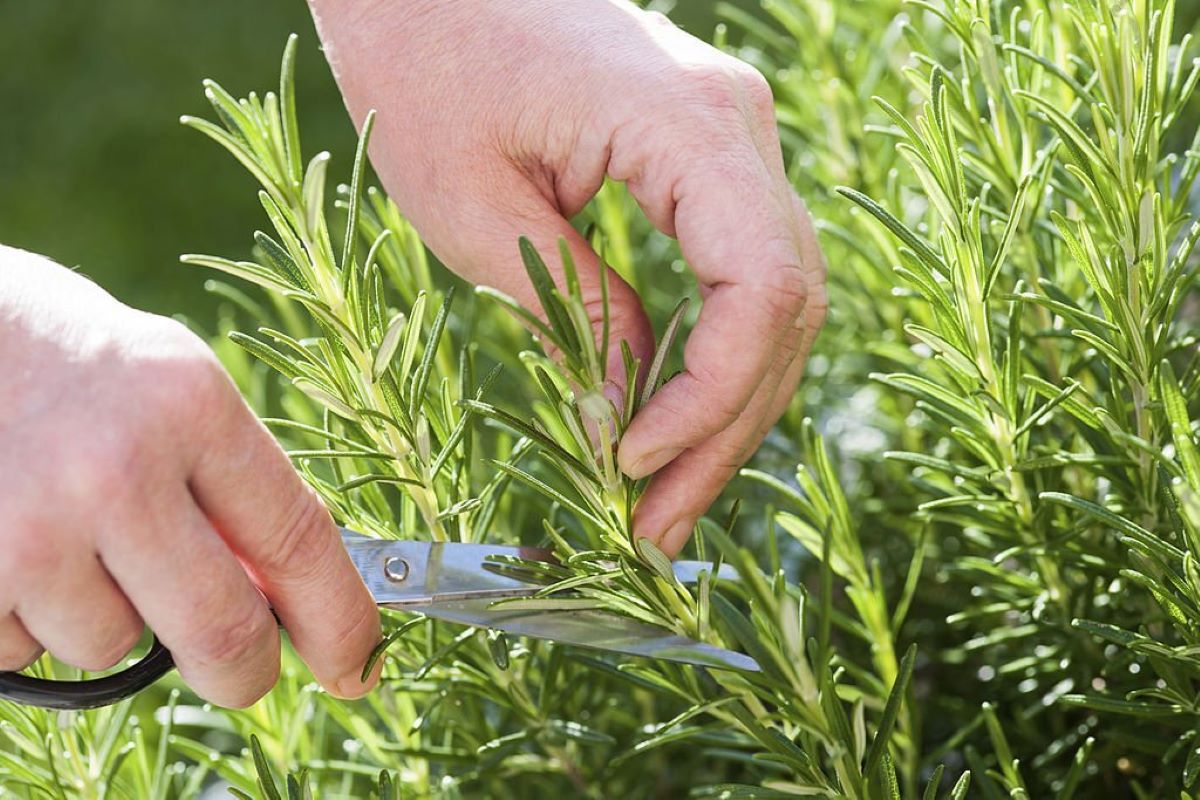
Rosemary smells of Provence. In our imagination, it rubs shoulders with thyme and wild thyme. Undoubtedly, it evokes good herbs , and its use imposed itself first in food, for the pleasures of the nose and the palate, even before we realize that a meal decorated with rosemary not only tastes better, but also digests better. It is thus part … Read more
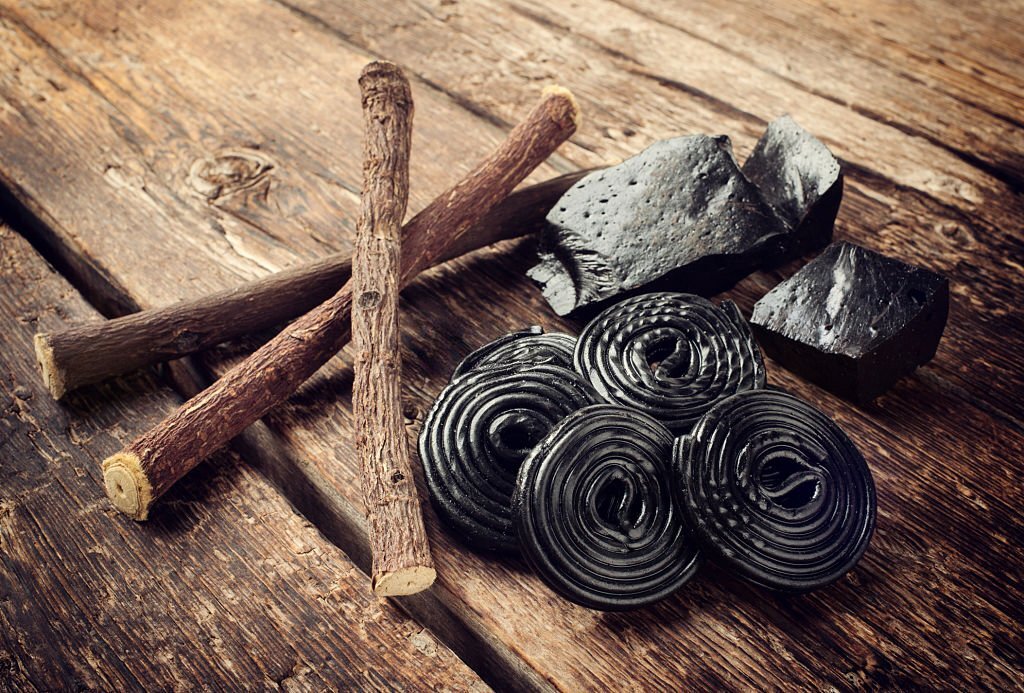
The therapeutic properties of liquorice have been known since ancient times, when it was used by the Romans and Greeks to treat asthma and ulcers. Scientists of the time named it glycyrrhiza from glycys, for sugar, and rhidza, for root , meaning sweet root. A little history Chinese medicine considers it to be one of … Read more
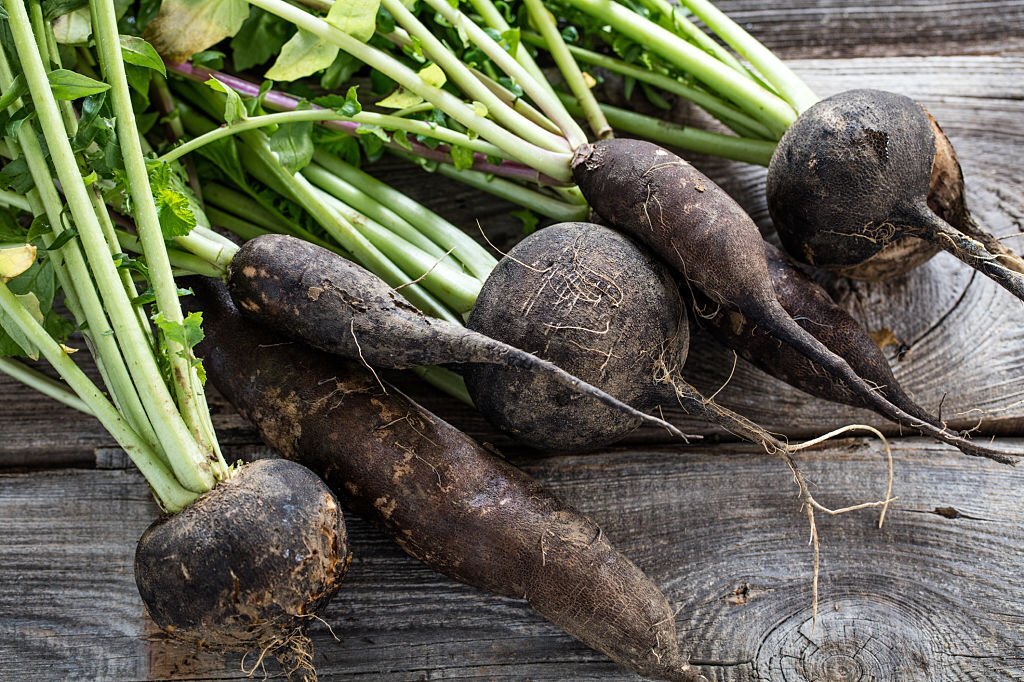
In the underground world of roots, nothing is really very simple, and it is all the more so with the black radish whose origin is still uncertain , even if we wanted to see in the south of the Asia his native land. A little history What we do know, however, is that in the oldest Chinese … Read more
The dandelion is a very common plant, impossible to ignore and full of treasures. A headache for botanists, there are no fewer than 60 species groups and over 1200 species in total (in Europe alone). The dandelion is widespread in most temperate zones of the northern hemisphere (Europe, North America, North Africa, China, India, Iran, … Read more
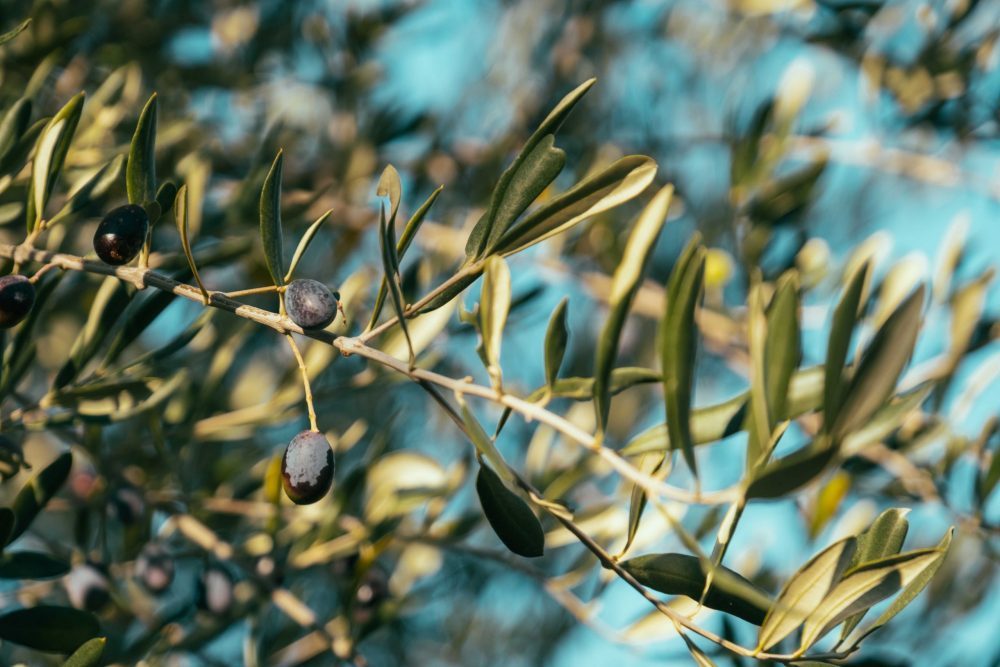
The olive tree, an emblematic tree steeped in history and mythology, also has many little-known therapeutic powers. In this article, we invite you to explore the fascinating world of the olive tree, from its mythological origins to its contemporary medicinal applications. We begin our journey by going back to the mythological roots of the olive … Read more
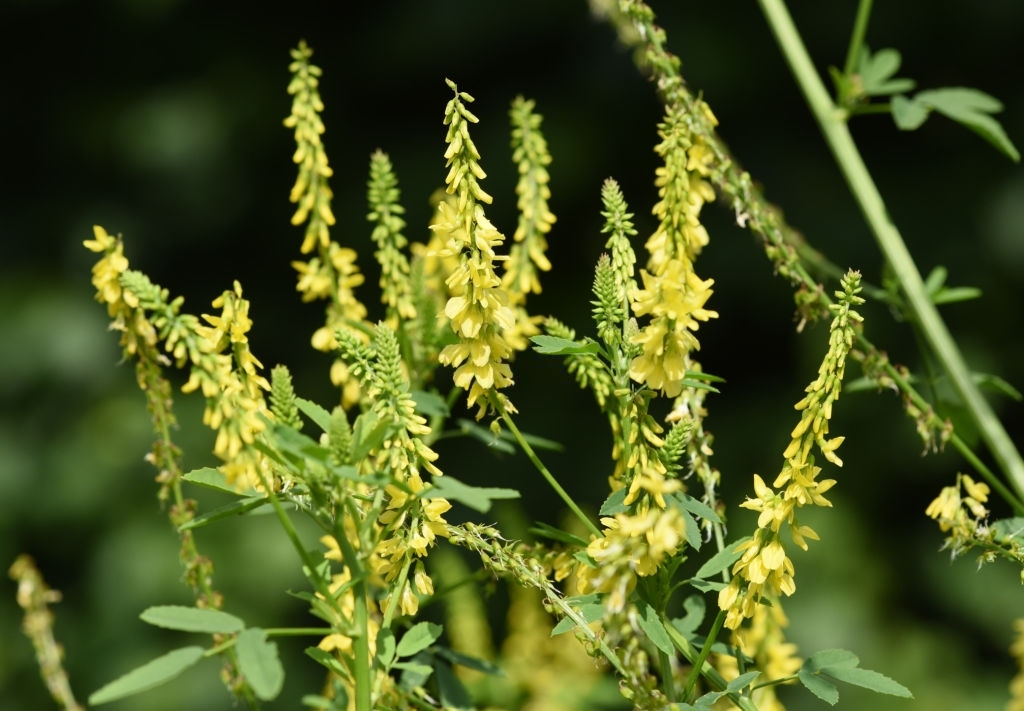
The etymological origin of sweet clover comes from the Greek meli, meaning honey, and lôtos, for lotus, i.e. honey flowers. In fact, the plant is a melliferous plant, much sought-after by bees. Melilotus officinalis is the species used medicinally. However, related species such as M. alba Medicus are also used in herbal medicine. What is … Read more
Periodontal disease is responsible for 30 to 40% of tooth extractions . They generally begin with gingivitis, which is reversible, then progress to damage to the periodontium , the supporting tissue of the tooth, destroying it which causes a loss of attachment of the tooth. These attacks are mainly caused by dental plaque as well as tartar (calcified dental … Read more
Orthomyxovirus and influenza viral infection The flu is a highly contagious acute respiratory infection caused by viruses Myxovirus influenzae . It manifests itself in the form of seasonal epidemics and affects up to 7 million people in France each winter. The influenza A (the most virulent) is responsible for most epidemics. The large number of patients each year, as well as the sometimes … Read more
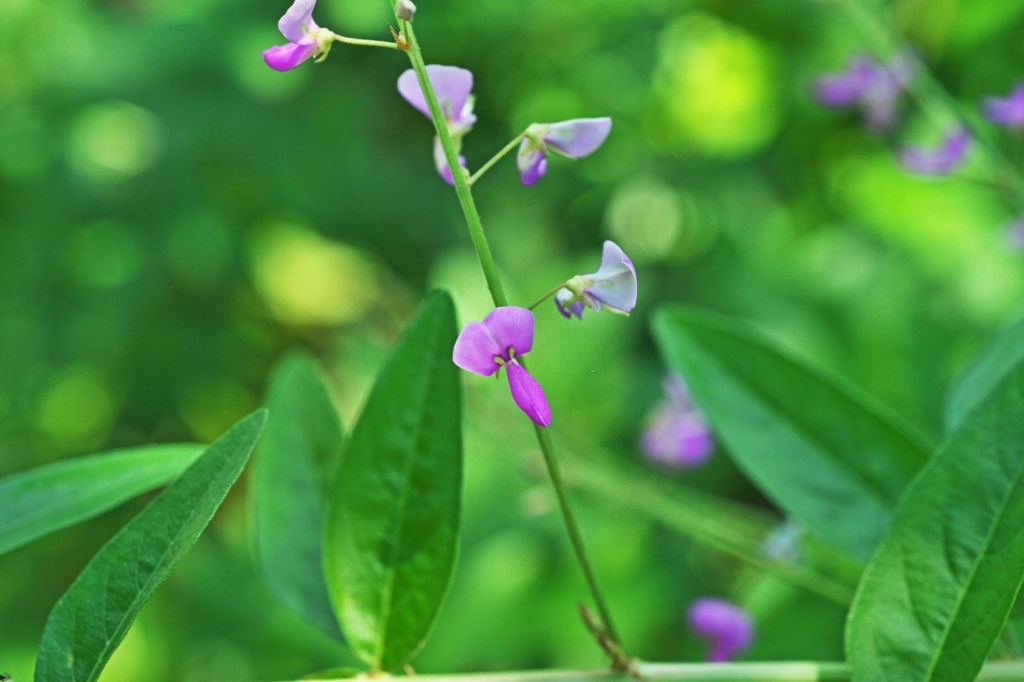
Desmodium , plant of hepatic cytolysis , derives its name from the Greek “ desmos ” which means “ link ” or “ bundle ”, and refers to the stamens that meet in a tube at their ends, while Adscendens refers to the properties of the parts. aerials to ascend the trunks of oil palms in damp and shady places. A good mnemonic to remember that when the … Read more
A medical material, a tinctorial plant but also a spice, turmeric has provided its benefits to men for 3,000 years . This perennial plant, some specimens of which nowadays adorn florists’ shops, is best known for its underground parts which, like ginger, are in fact made up of rhizomes. A little history Turmeric has been known to the … Read more
The term “blackcurrant” takes its etymology from the Phoenician. This vegetal blackcurrant is a word appearing in the 16th century, at the same time as the first writings granted to it ( Rembert Dodoens , 1583) as well as the first medicinal mentions of its leaves and fruits ( Petrus Forestus , 1614). A little history Dodoens is Flemish, Forestus is Dutch. They are therefore … Read more
Who hasn’t dreamt of sporting a radiant, perfect white, pearly smile like the stars of Hollywood ? Dazzling white teeth are often associated with good health. But immaculate white has never been the natural colour of teeth. Made up of a thin layer of translucent enamel under which most of its material (dentine) lies, its … Read more