How to prepare an effective herbal tea: infusion, decoction or maceration?

Master the art of making medicinal herbal teas with this guide, which complies with the French Pharmacopoeia. Learn how to choose the ideal extraction method for each plant: infusion for flowers, decoction for roots, or maceration for sensitive active ingredients. Discover our expert advice on dosage, rules for blending medicinal herbs, and storage precautions to ensure maximum therapeutic effectiveness.

Loss of voice and hoarseness: what to do when your vocal cords give out?

Hoarse, raspy or completely lost your voice? Discover how to effectively treat hoarseness using natural remedies. From the ever-popular ‘singers’ herb’ (Erysimum) to targeted homeopathic remedies, explore our expert advice and essential hygiene tips to soothe your vocal cords and quickly regain your voice.

Preventing tonsillitis: our hygiene tips and natural remedies

Fed up with recurring sore throats? Discover our solutions for effective prevention of tonsillitis. From essential preventive measures to boosting your immune system with royal jelly, propolis and oligotherapy, learn how to protect your throat lining and keep your environment clean so you can enjoy a peaceful winter.

Herbs and essential oils: your natural allies against sore throats

Looking for an effective, natural remedy for a sore throat? Discover our comprehensive guide: cleansing essential oils (thyme, tea tree), soothing plants rich in mucilage (mallow, marshmallow) and gemmotherapy to boost immunity. Learn how to soothe your throat and prevent further episodes using nature’s remedies.

Can medicinal plants be used as a natural remedy for anxiety?

A calm woman wearing a green jumper is sitting in an armchair, holding a cup of herbal tea. On a wooden table in front of her are jars of dried medicinal plants, a cup of tea, fresh herbs and a bottle of mother tincture.

Medicinal plants can offer a useful natural remedy for stress when anxiety is mild to moderate. When chosen and dosed correctly, they help to ease tension, improve sleep and alleviate physical symptoms (such as palpitations, stomach cramps and a knot in the stomach), without the habit-forming effects of some conventional treatments. However, they are not a substitute for medical supervision in cases of severe anxiety, but form part of a holistic approach: a healthy lifestyle, self-awareness, and psychological support where needed.

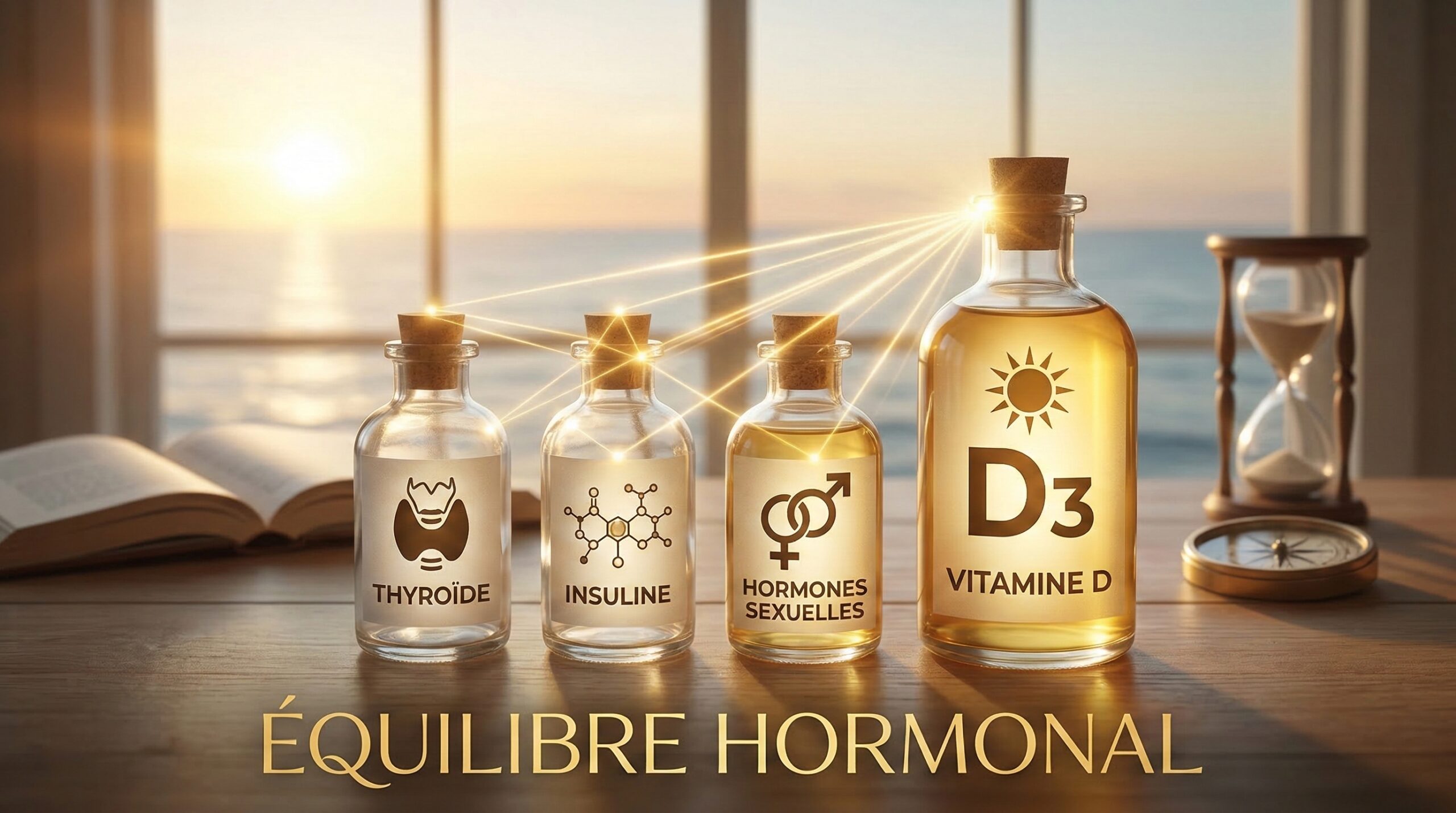
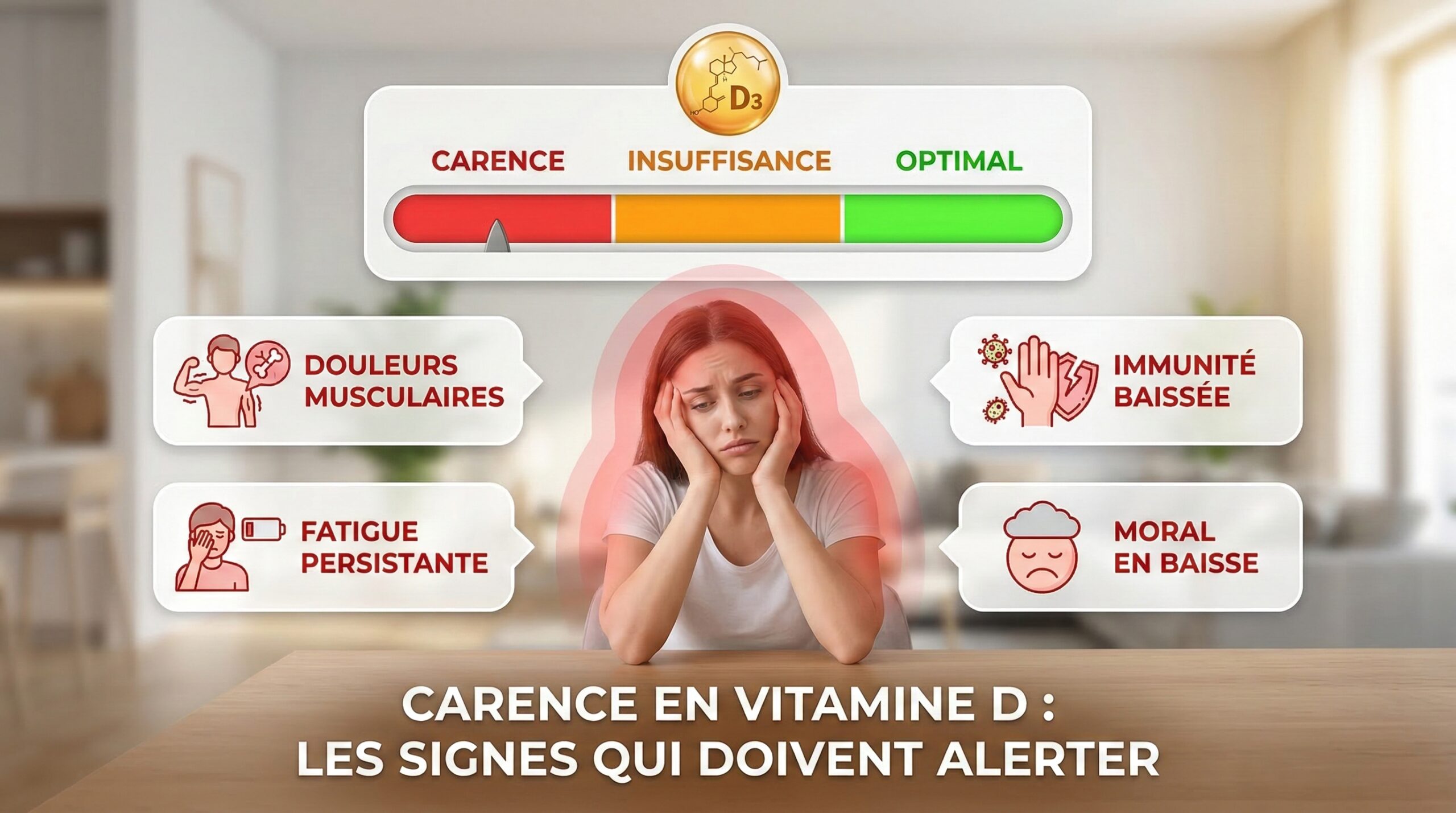
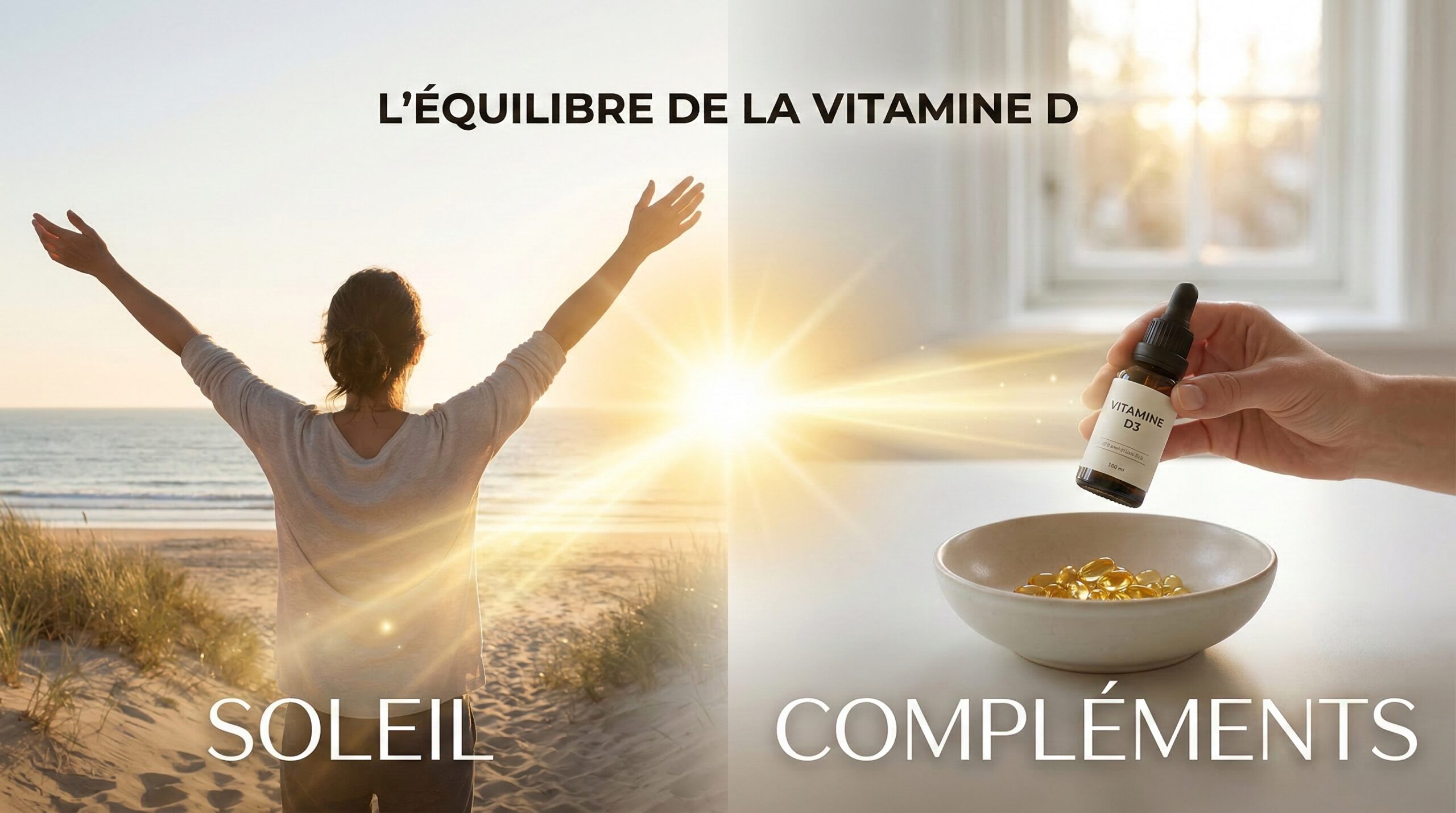
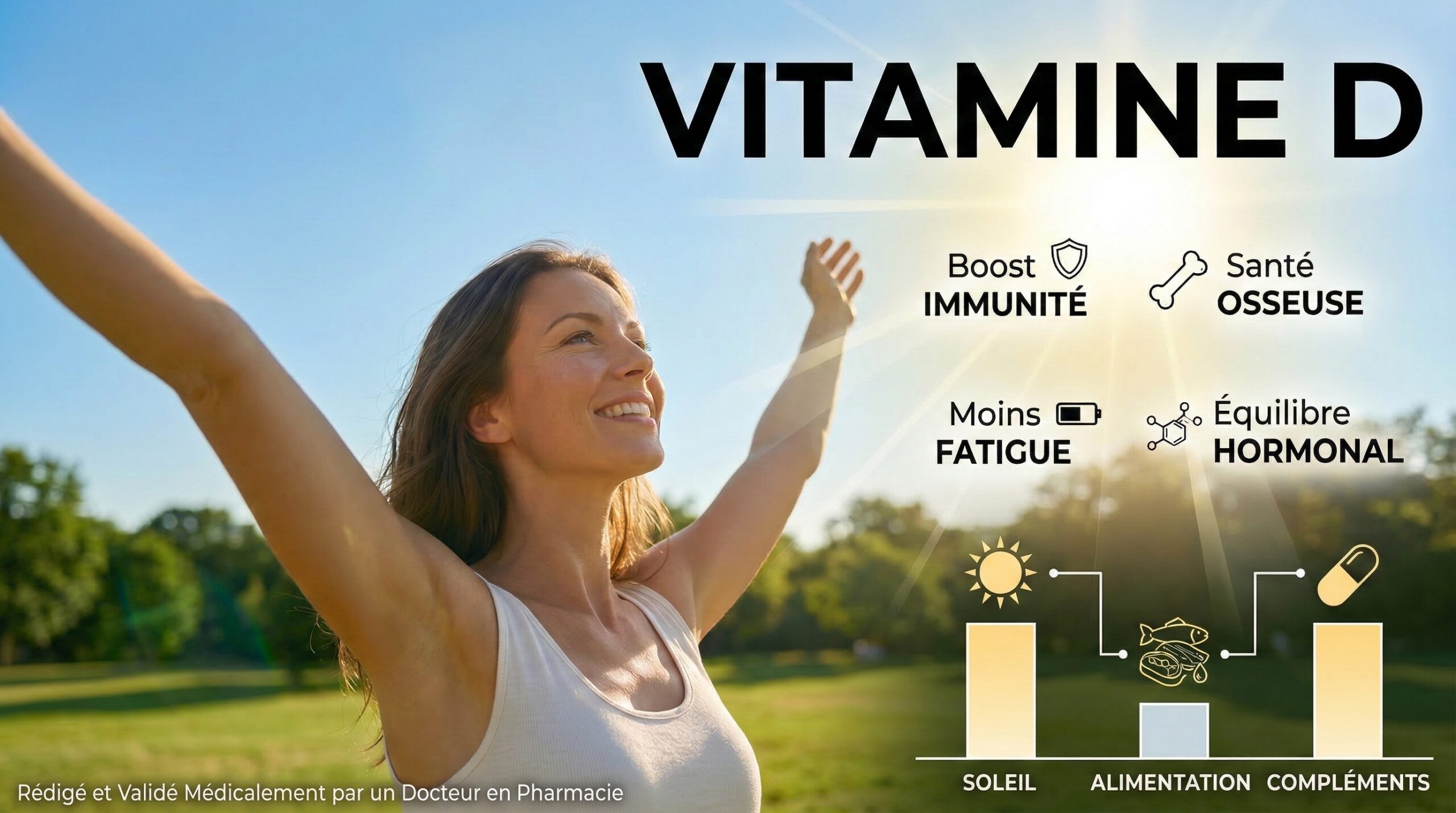
Vitamin D deficiency: fatigue, symptoms and how to treat it

Feeling tired, suffering from muscle aches or feeling low? Nearly 80% of French people are deficient in vitamin D without realising it. Learn how to interpret your blood test results, spot the signs of a deficiency and quickly restore your levels to optimal levels.

Why do senescent cells accumulate with age?

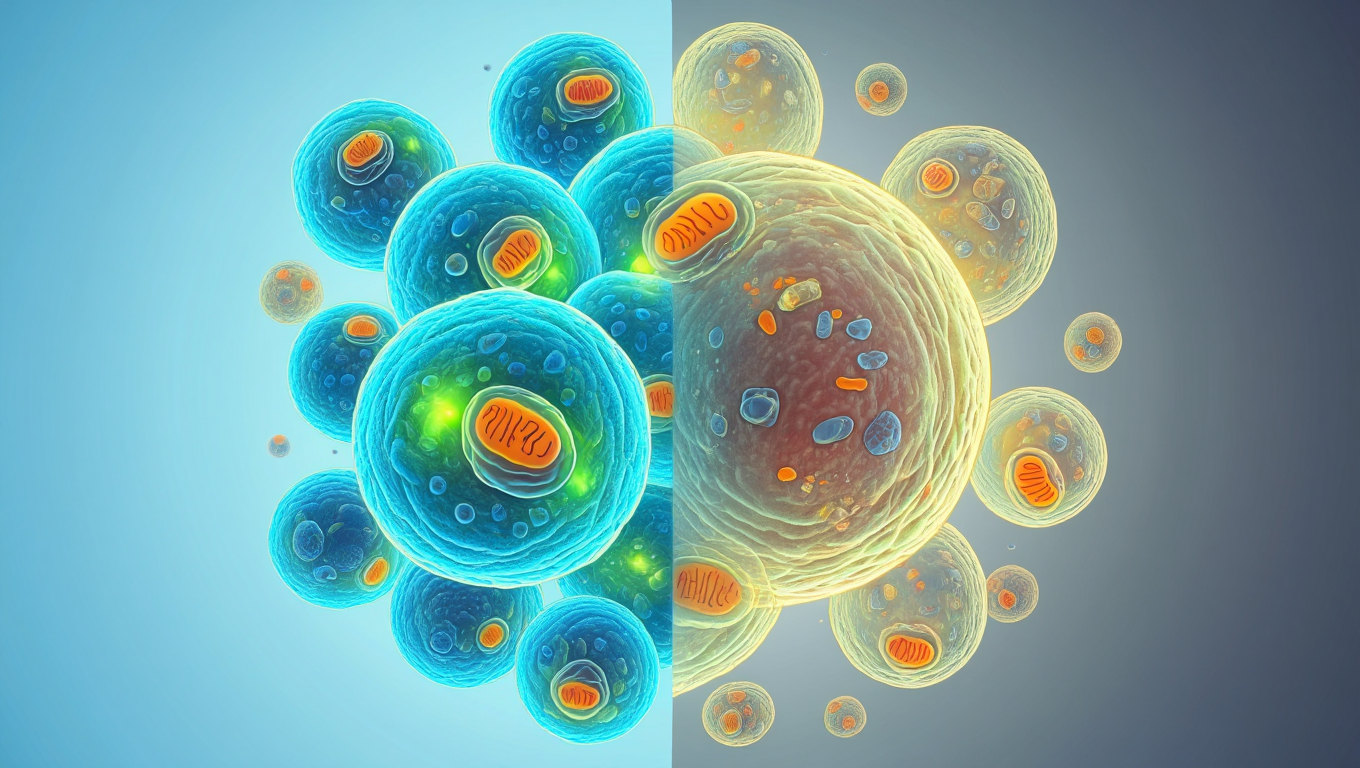
Scientific illustration of senescent cells showing the accumulation of ageing cells and the biological mechanisms associated with chronic inflammation and tissue ageing.

Accumulation of senescent cells, immunosenescence, inflammaging and metabolic dysfunction: discover how these mechanisms slow down tissue regeneration and how lifestyle can limit their impact.

Different ways to use essential oils in everyday life

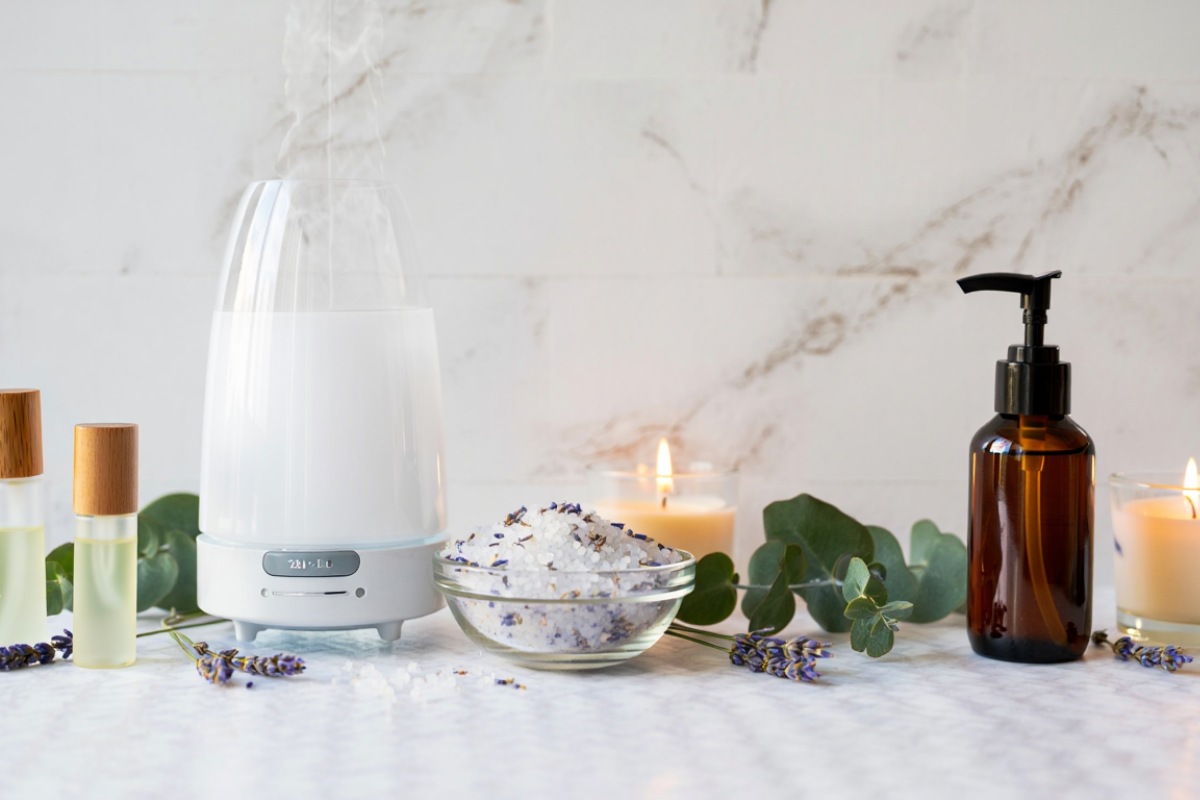
Essential oils are highly concentrated plant extracts, and just a few drops are enough to be effective, provided you choose the right method of administration and dosage. This article details the main ways to use them on a daily basis (skin application, diffusion, baths, oral or rectal administration), recommended dilutions, at-risk populations, and essential precautions to enjoy their benefits while limiting adverse effects.

How can you recognise a potentially dangerous essential oil in aromatherapy?

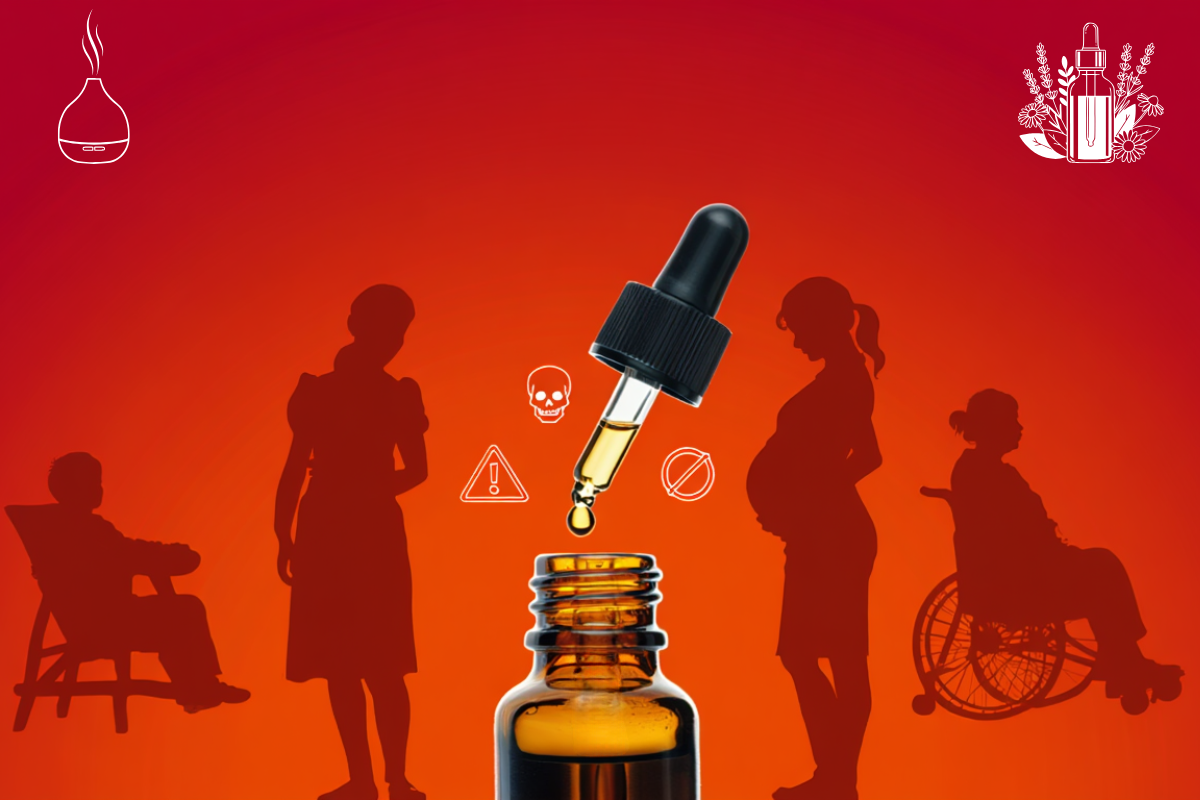
An essential oil is a highly concentrated liquid extract obtained by distilling aromatic plants. It is rich in active molecules that can be beneficial but also potentially toxic if the correct dilutions, route of administration and duration of use are not observed. This article explains the main types of toxicity (skin irritation, photosensitisation, neuro-, hepatotoxicity and nephrotoxicity), details general precautions (never apply undiluted to the skin or in the eyes, never inject, caution with children and pregnant women) and the correct response in the event of an accident, as well as storage rules for the safe everyday use of essential oils.