The best plants for asthma: how can you soothe your airways naturally?
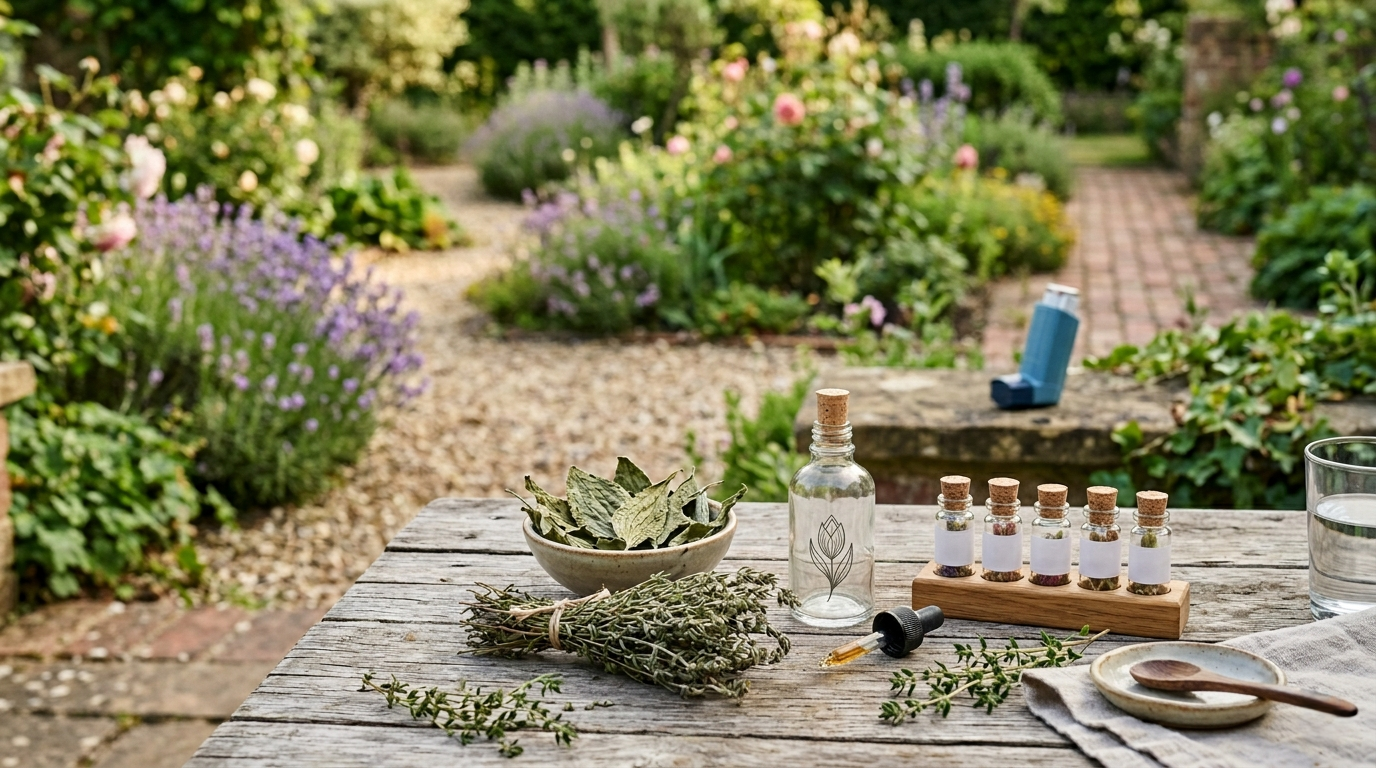
Plantain, Boswellia, gemmotherapy… Discover the best plants for asthma to reduce inflammation and naturally space out your attacks.

Medicinal plants refer to all plant species used for their therapeutic properties. Rich in natural active compounds, they form the basis of many traditional and modern preparations, from herbal teas to dietary supplements. Originating from ancestral pharmacopoeias, these plants continue to play a key role in phytotherapy, supporting the body gently and helping to restore its natural balance.
Medicinal plants can address many physical and emotional imbalances. Some help soothe stress and sleep issues, such as valerian, passionflower, or lemon balm. Others are known for their digestive action, like artichoke, fennel, or turmeric. Plants with detoxifying properties, like black radish or dandelion, support elimination functions and help the body detox gently.
Depending on needs and preferences, medicinal plants come in several forms:
Each form has its advantages and should be adapted to the individual and the context.
Choosing the right plant is never random. One must consider the individual’s constitution (digestive, nervous, hepatic…) and the intended goal: boosting circulation, strengthening immunity, aiding digestion, or easing tension. A synergy of plants is often more effective than a single species. That’s the idea behind phytotherapeutic blends, designed to act on multiple systems simultaneously.
Yes, because natural doesn’t mean harmless. Some medicinal plants may interact with medications or be contraindicated during pregnancy, breastfeeding, or in specific health conditions. It is therefore advisable to consult a health professional before starting a treatment, especially if you have a fragile constitution or are already taking medication.
Naturopathy encourages the integration of plants into a holistic lifestyle. A relaxing tea in the evening can help promote restful sleep, while a seasonal detox with draining plants can support the emunctory organs. It’s also a great way to strengthen natural defenses before winter or rebalance digestion after indulgence.
🔍 Did you know?
This plant with delicate purple flowers is known for soothing sore throats and calming irritated mucous membranes…
👉 Find out which one in our selection of medicinal plants
Plantain, Boswellia, gemmotherapy… Discover the best plants for asthma to reduce inflammation and naturally space out your attacks.

High blood pressure, anticoagulant treatments or varicose veins? Find out about the potential risks associated with certain medicinal plants and how to protect your heart.

Whilst antibiotics are essential for treating kidney infections, certain herbal remedies for the kidneys can provide valuable support. Whether it’s gemmotherapy (walnut and juniper buds), herbal extracts (cranberry and bearberry) or aromatherapy: explore the best natural solutions for cleansing your urinary tract, promoting drainage and boosting your immunity, whilst taking the necessary precautions.
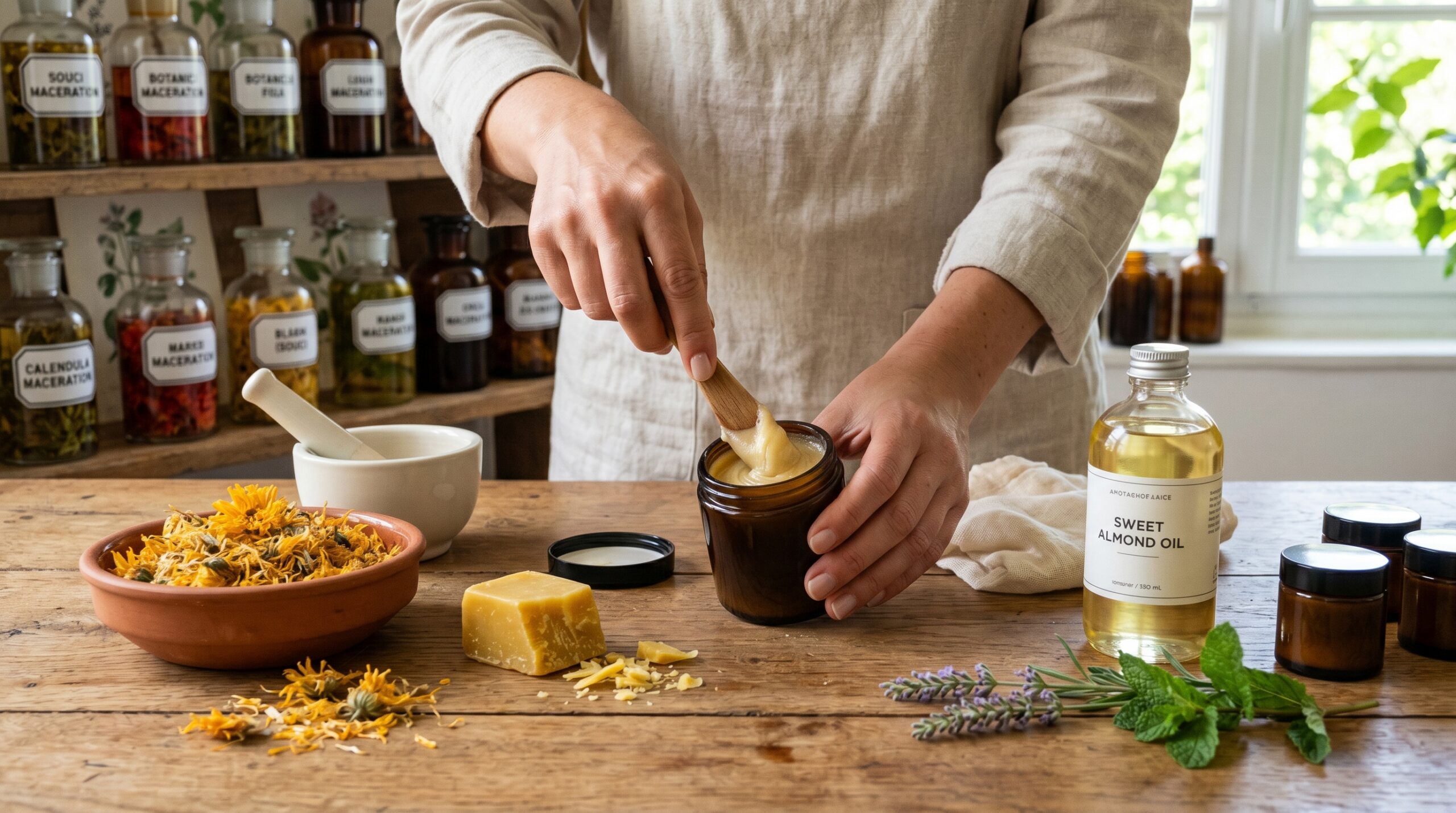
Discover how to optimise your skincare routine with topical herbal remedies. This comprehensive guide reveals the formulation secrets behind ointments, creams and oil macerates for targeted action on the skin. Learn how to prepare your own poultices and oil infusions (using the cold method or a bain-marie) to soothe inflammation and promote healing, with the pharmacist’s expert guidance.
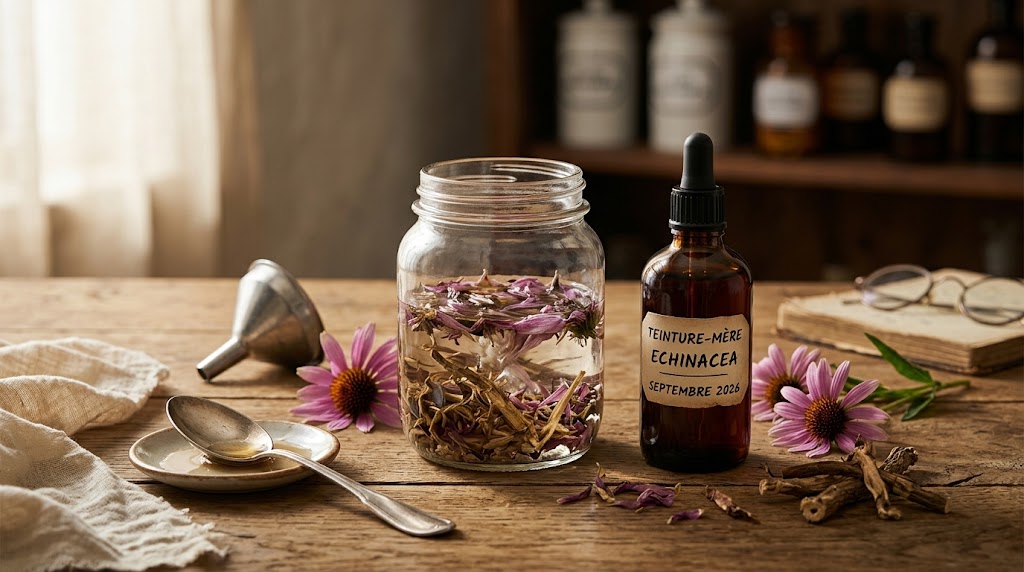
Discover the secrets of mother tinctures, a cornerstone of herbal medicine. Learn why this hydro-alcoholic macerate ensures optimal absorption of active ingredients and exceptional shelf life. From selecting dried plants to the maceration and dosing process, this comprehensive guide will help you make your own mother tinctures for an effective and safe natural medicine cabinet.
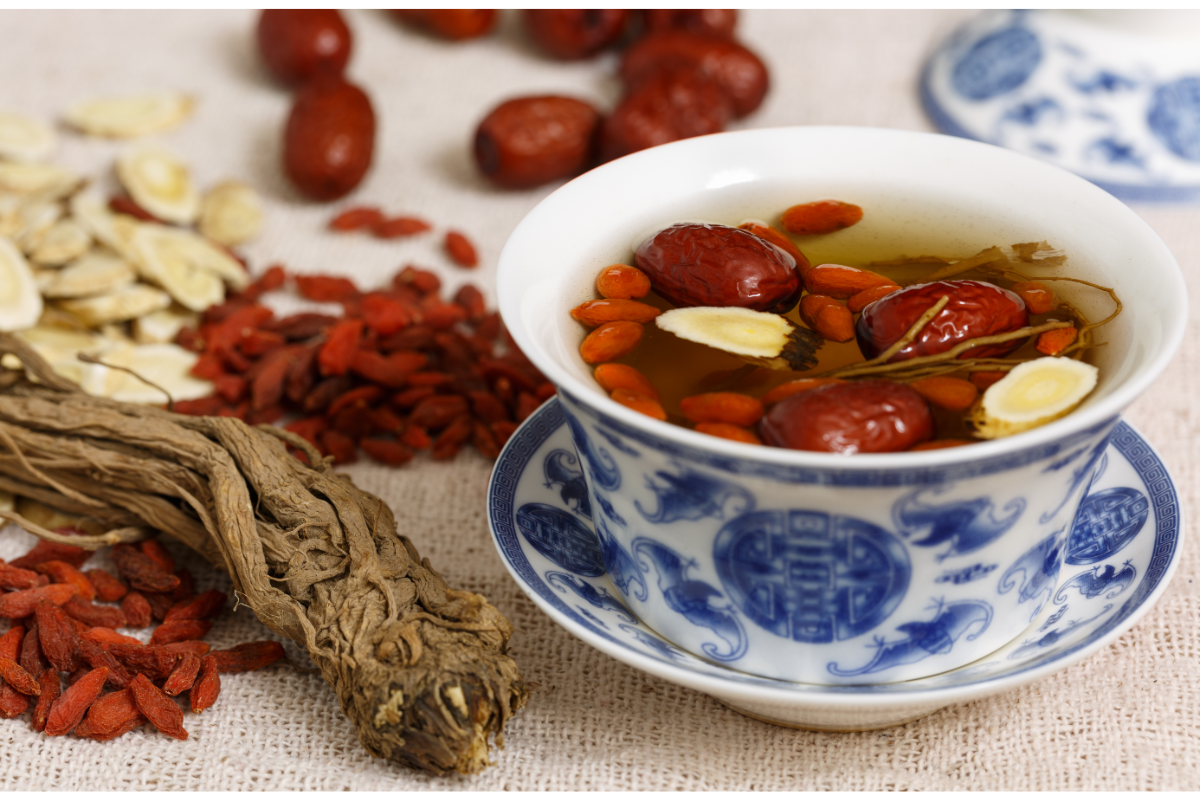
In the vast expanses of nature, a discreet but extraordinary plant has captivated the attention of researchers and wellness enthusiasts for centuries: astragalus. Nestling in the heart of the Fabaceae family , this remarkable herb is much more than just a plant. It embodies the fascinating concept of the adaptogen. With its unique properties and … Read more
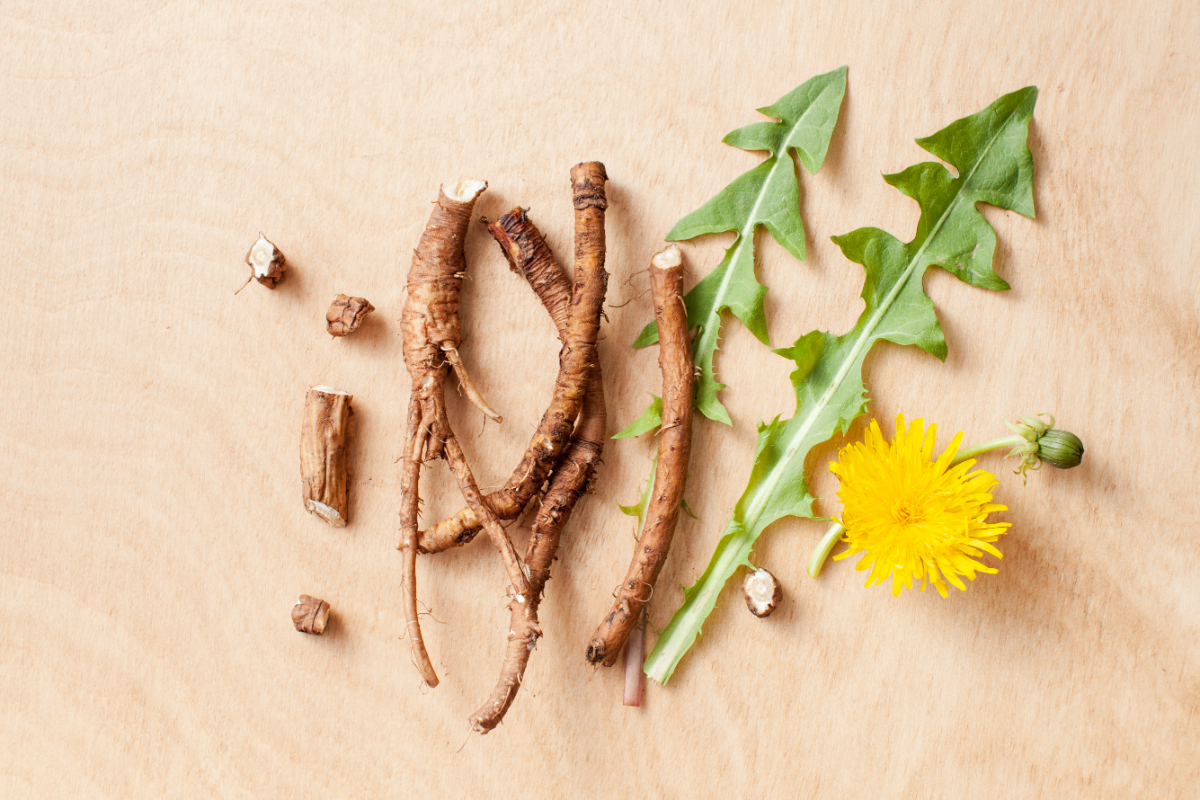
With spring just around the corner, I’d like to talk to you about the leaves of a plant that is fairly common in our meadows, but whose medicinal properties are little known to the general public. We’re talking about the leaves of taraxacum officinalis, better known as ‘ dandelion ‘. In this article, discover the … Read more
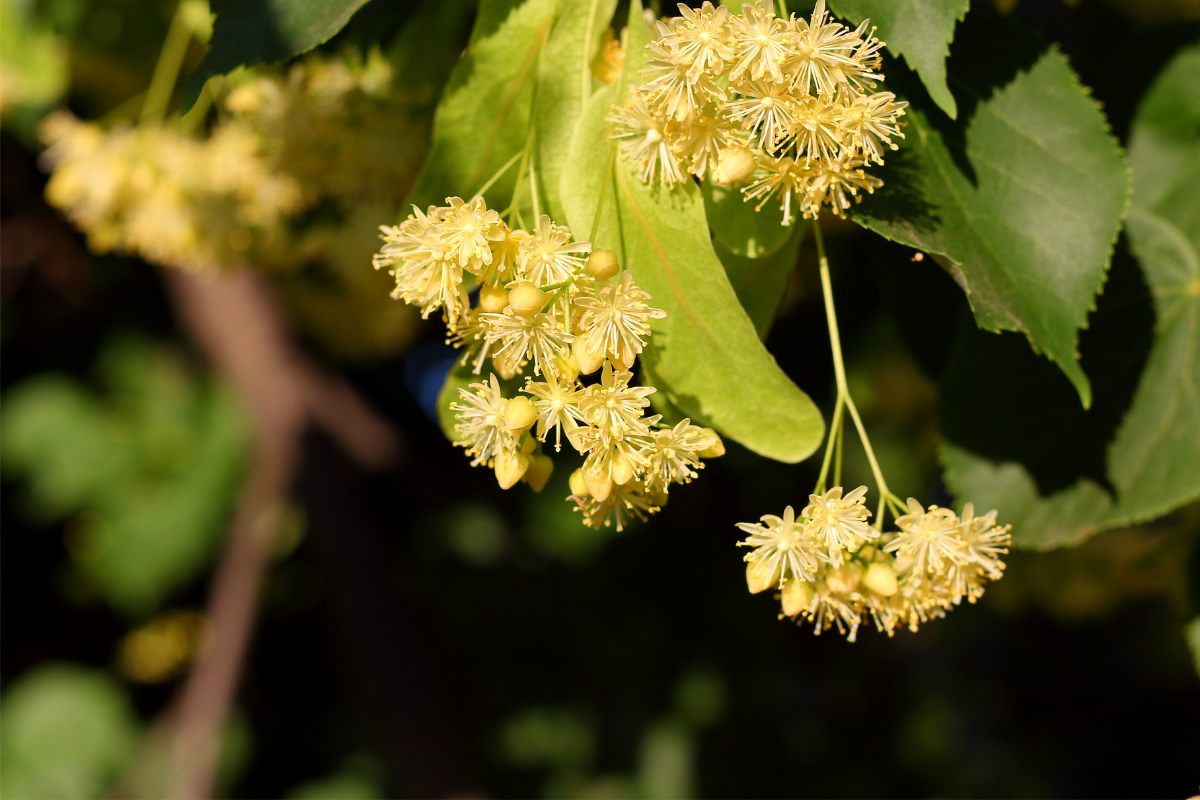
Legend says that it was the leaf of a heart-shaped linden tree that landed on Siegfried ‘s back , the only vulnerable place in his body after he bathed in the blood of the vanquished dragon ( saga of the Nibelungen ). The genus Tilia includes many species and hybrids. More than 100 taxa have been counted for these lime trees, some of … Read more
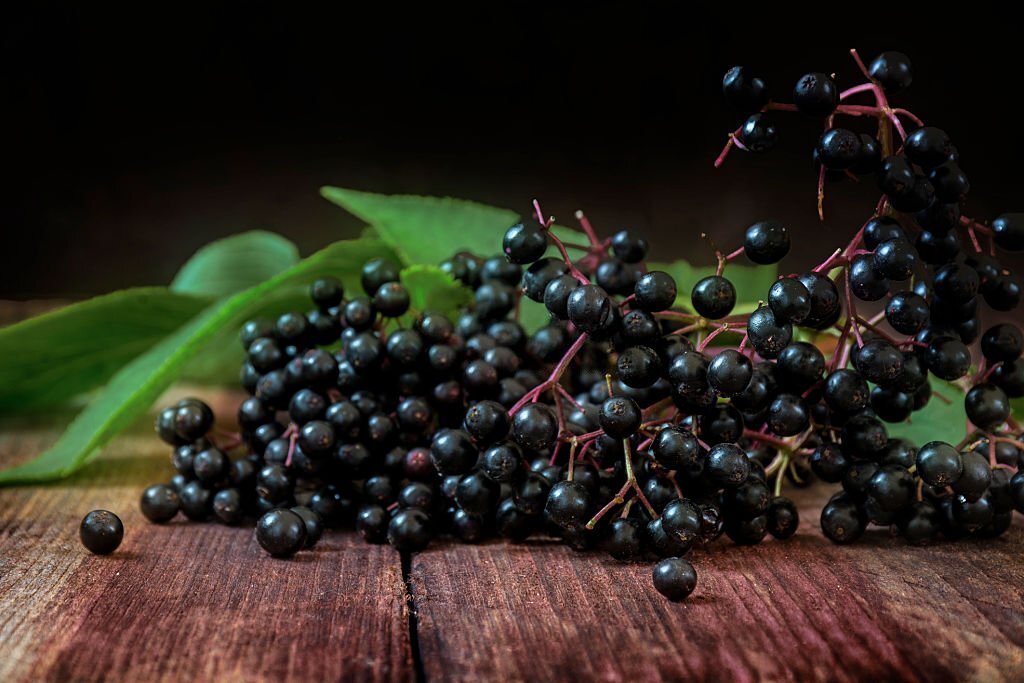
Many vernacular names for elderberry refer to its slight acidity. This characteristic is often described by the adjective suret. Despite its acidity, elderberry has been appreciated since prehistoric times.Bronze and Iron Age sites bear witness to this. They have revealed deposits of elderberry seeds. We know that elderberries were already being harvested in Switzerland and … Read more

In ancient Greece, Theophrastus and Dioscorides spoke of a plant called Klymenos . At the same time, among the Romans ( Virgil , Pliny , Columella …), the case of Caltha is mentioned. Some writers who are not very informed have wanted to see in these two names the concern . If the first of these terms is forgotten, confusion over the second term persisted for so long that in the 16th century Jean Bauhin designated … Read more
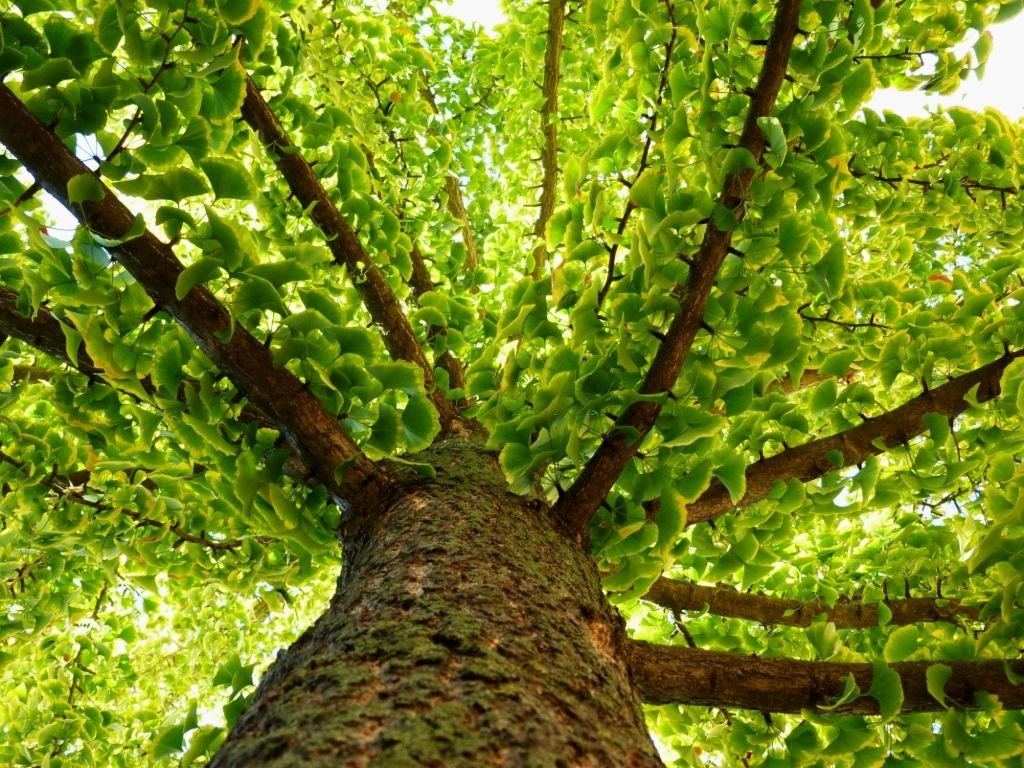
The oldest medicinal plants in the vegetable kingdom are, as Darwin said , a veritable “living fossil”. Ginkgo is part of a plant group that developed in the Carboniferous, during the heyday of giant horsetails, 200 to 250 million years ago. Among other things, this tree has the advantage of being able to age for millennia . If we generally agree that 4000 years is … Read more
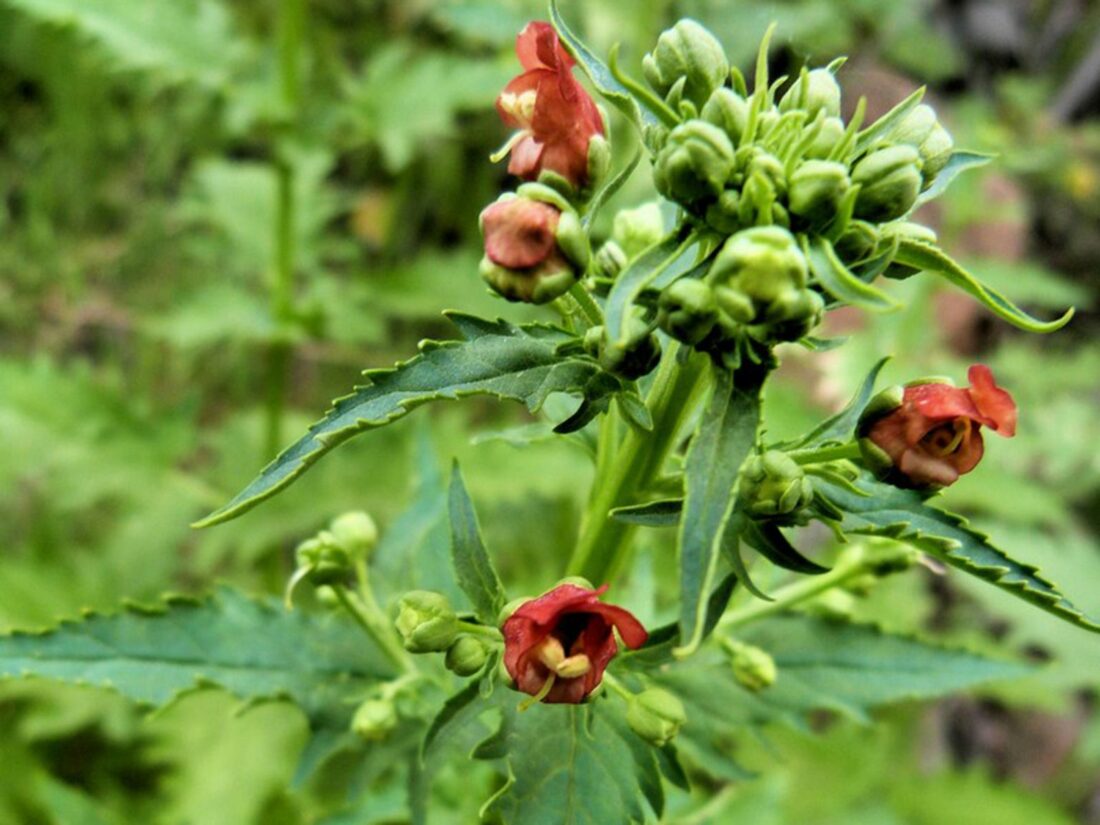
Perfectly ignored in Antiquity and the Middle Ages, Figwort made its timid beginnings in the 16th century, spotted by Jérôme Bock and Léonard Fuchs as a remedy for hemorrhoids, vulneraries and more specifically for skin diseases. This may pass for anecdotal, but behind the strange name of these plants hides a part of the medical history of Europe , which has been … Read more
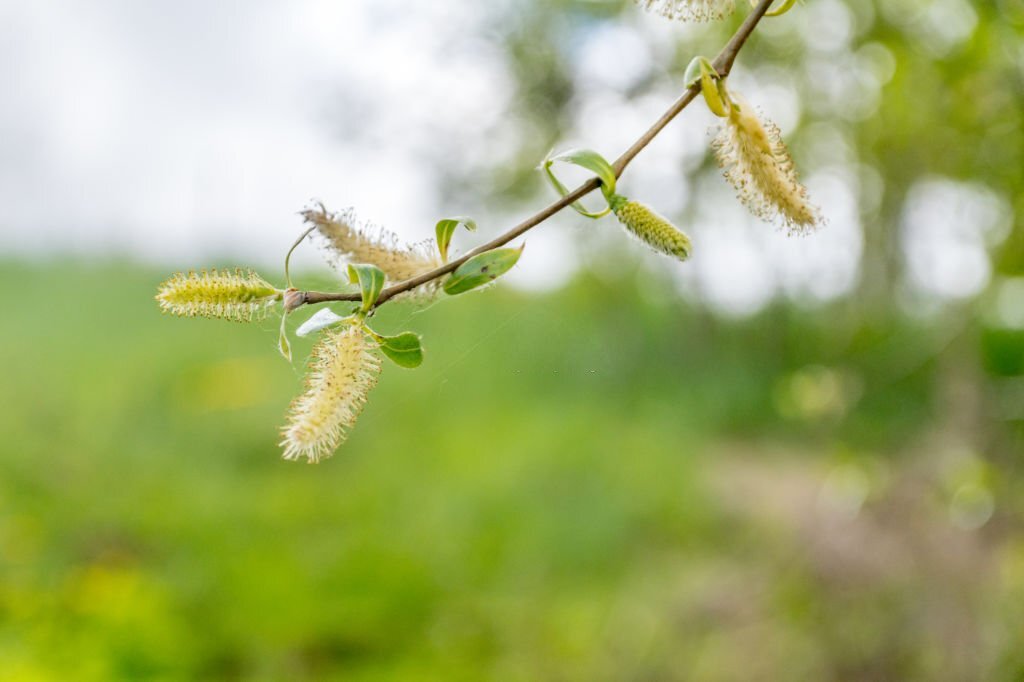
As indicated by its Celtic root sa-lis (or salik ) which means ” near water “, the willow particularly likes temperate places throughout the northern hemisphere , along rivers and streams, on cool and humid grounds, even marshy, but above all it is a “green and beneficial tree of running waters” and riparian forests. A bit of mythology Mentioned in the Iliad , the willow … Read more
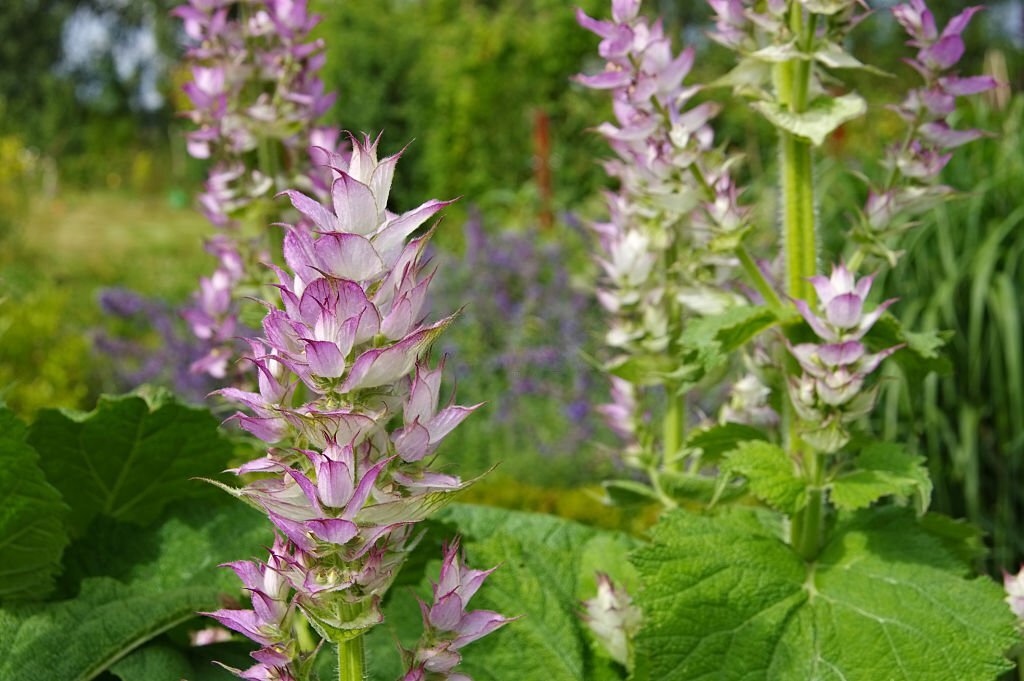
Between sage officinalis and clary sage , it’s 10 to 1. If the literature is full of information concerning the first, it is clear that the bare minimum falls on the second. So I’m going to do my best to relate the few meager events recorded here and there about him, to tell his story. A little history The oldest … Read more
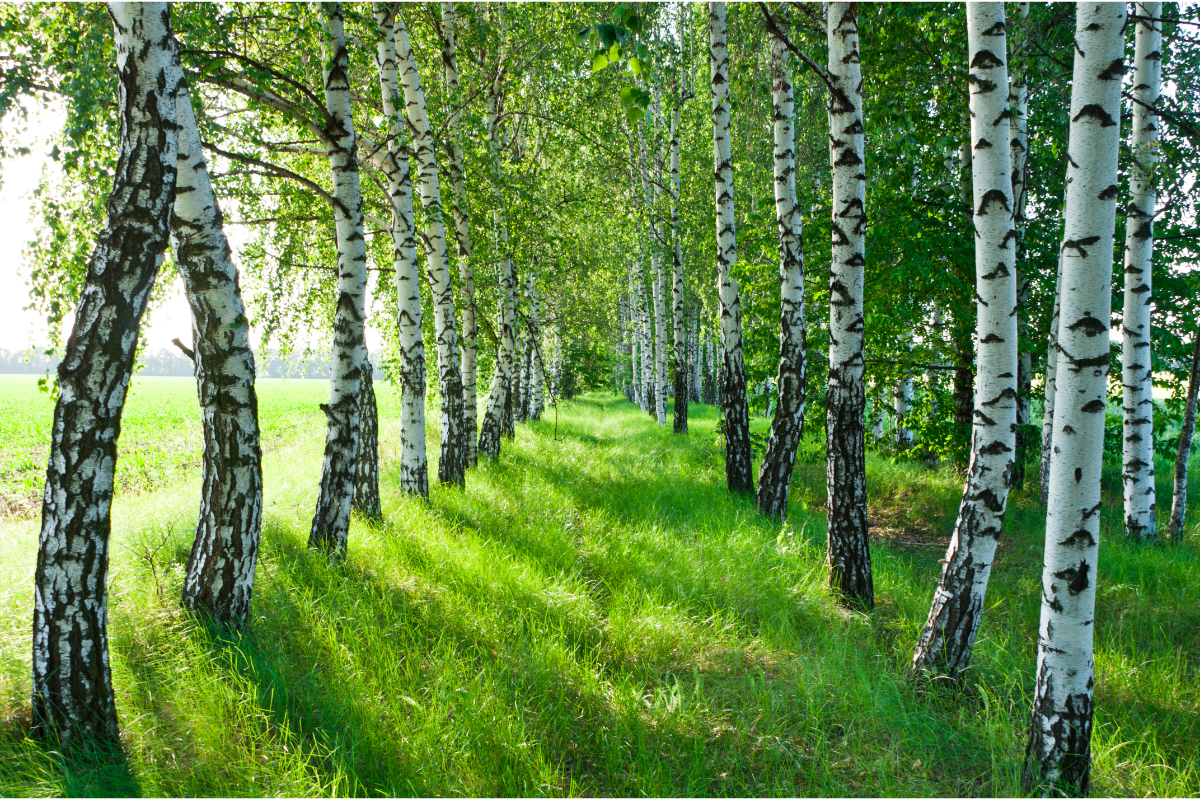
The adjective birch is attributed to the silvery sheen of its papery bark. The birch is a particularly typical tree species in Eurasia. Although commonly grown as an ornamental tree, it is no less a host to young woods, steep acid soils, stony soils and sandy soils. Surprisingly, birch sap harvested in early spring has … Read more
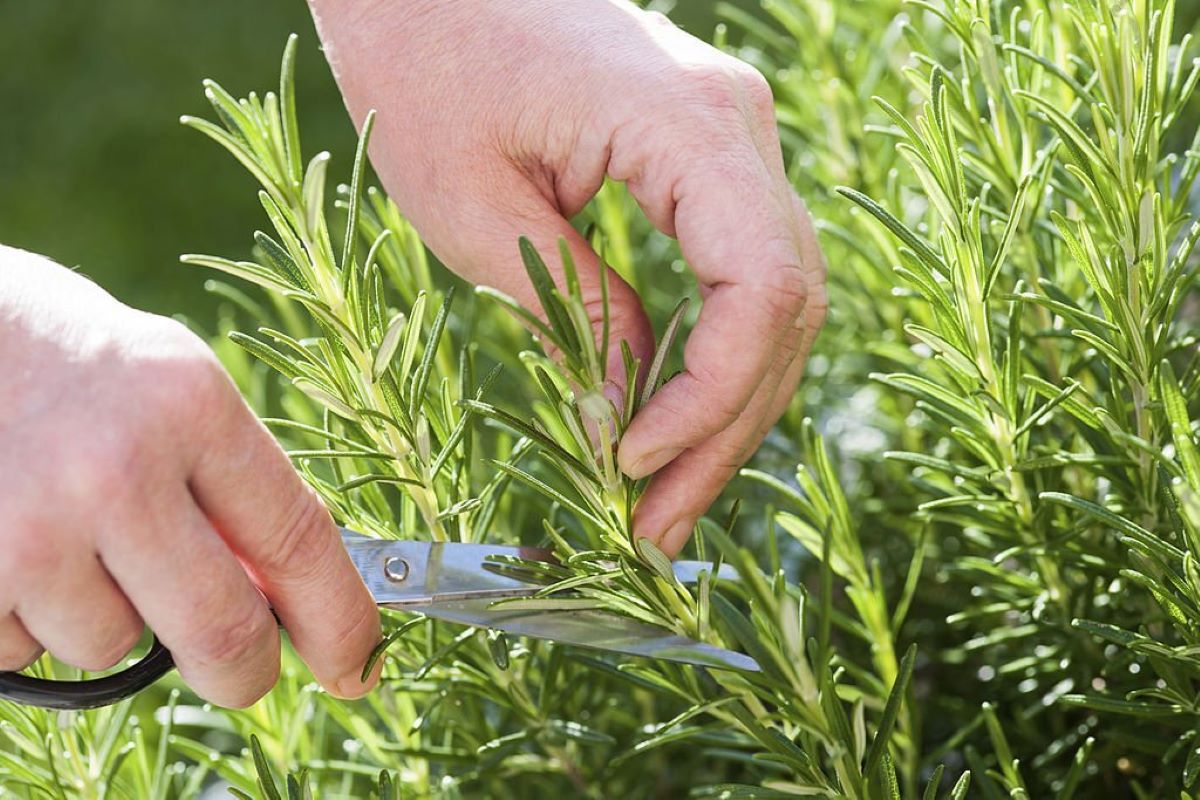
Rosemary smells of Provence. In our imagination, it rubs shoulders with thyme and wild thyme. Undoubtedly, it evokes good herbs , and its use imposed itself first in food, for the pleasures of the nose and the palate, even before we realize that a meal decorated with rosemary not only tastes better, but also digests better. It is thus part … Read more
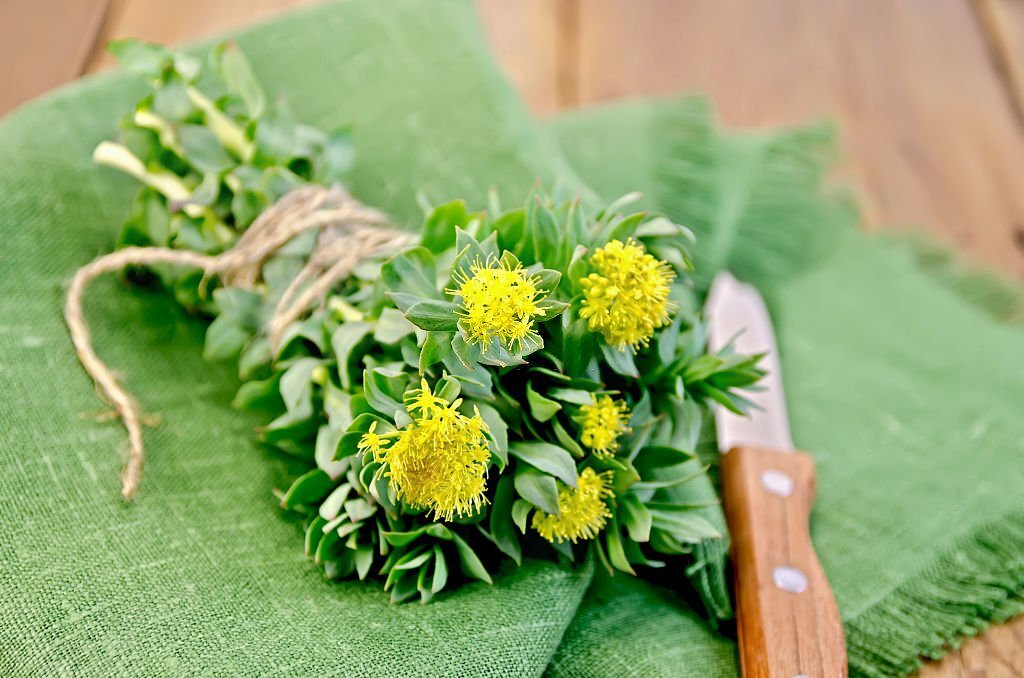
The Latin appellation for Rhodiola derives from the Greek word rhodios , used by the Greek philosopher Dioscorides when he first described the plant in his De Materia medica (77 AD), as Rodio riza , in reference to the smell of rose given off by the root, once cut. Its vernacular name of golden root is an allusion to its legendary reputation as a panacea plant . A … Read more
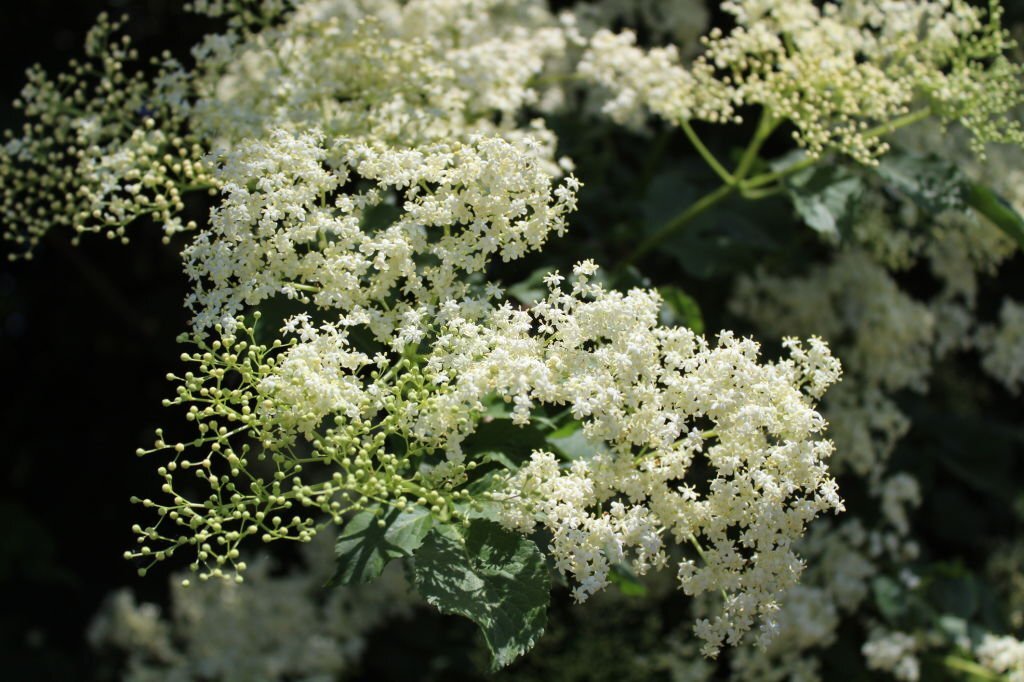
To unearth the oldest written traces linked to the meadowsweet, it is necessary to wait for the Middle Ages, but they still have nothing to do with its medicinal value . It was made into crowns, especially at weddings, because its flowers symbolized virginity . A little history It was not in fact until the Renaissance that it was possible … Read more
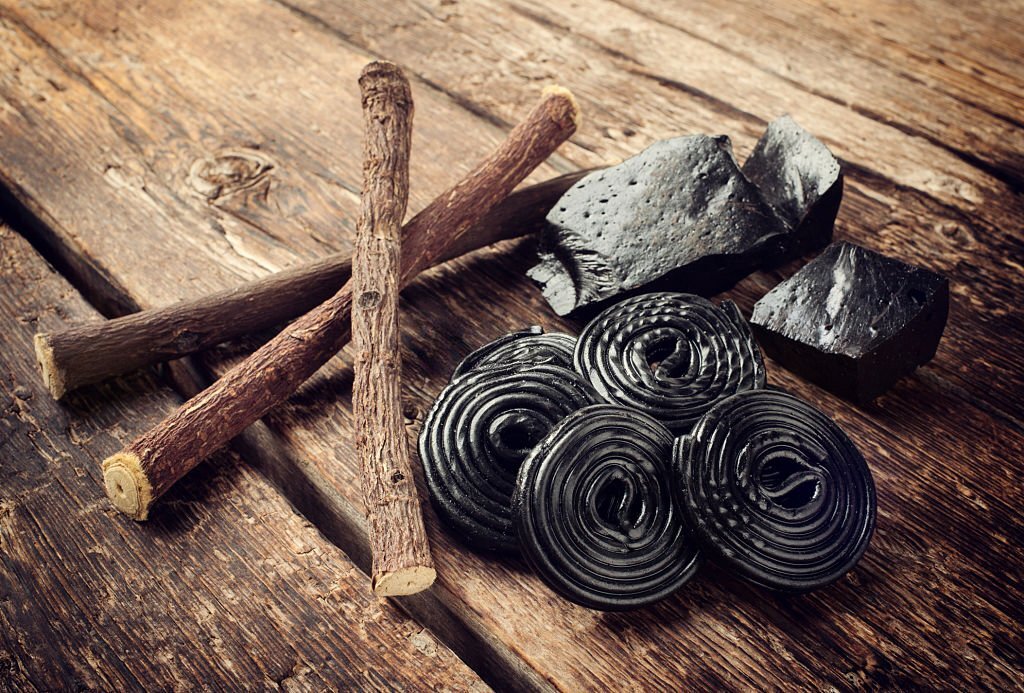
The therapeutic properties of liquorice have been known since ancient times, when it was used by the Romans and Greeks to treat asthma and ulcers. Scientists of the time named it glycyrrhiza from glycys, for sugar, and rhidza, for root , meaning sweet root. A little history Chinese medicine considers it to be one of … Read more
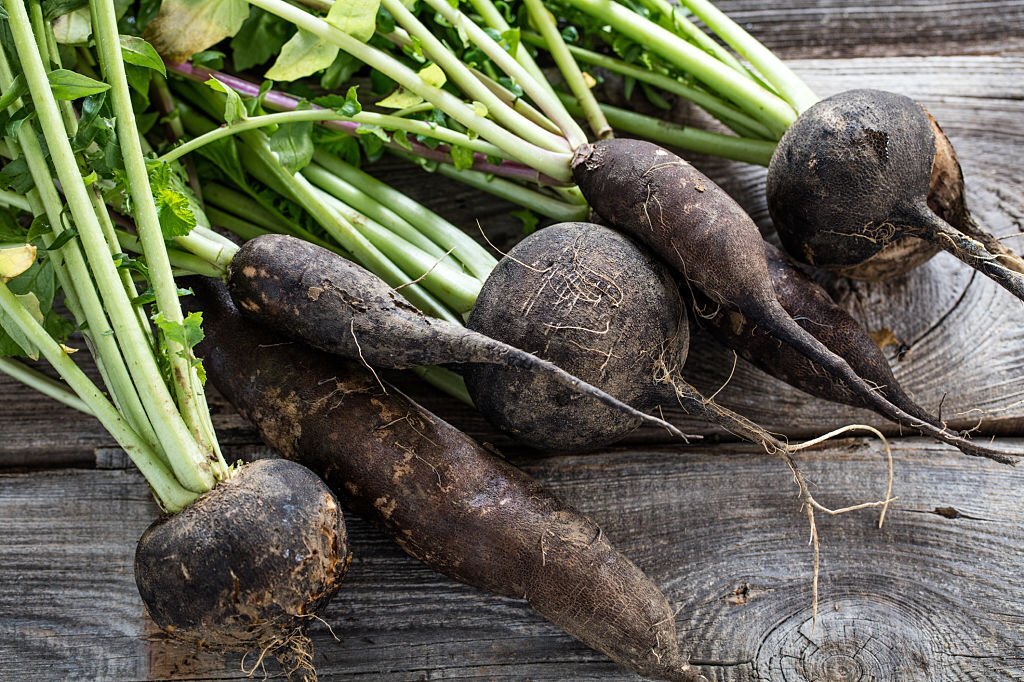
In the underground world of roots, nothing is really very simple, and it is all the more so with the black radish whose origin is still uncertain , even if we wanted to see in the south of the Asia his native land. A little history What we do know, however, is that in the oldest Chinese … Read more