Diet and asthma: which foods should you avoid to minimise attacks?

What is the link between diet and asthma? Find out which foods, additives and hidden allergens can irritate your airways and trigger attacks.

Relieve an allergy naturally means soothing the immune system’s overreactions to harmless substances like pollen, dust mites or certain foods. Rather than masking symptoms with chemical antihistamines, it’s possible to support the body to reduce the intensity of allergic reactions, prevent their onset, and improve daily comfort.
Allergy symptoms vary: repeated sneezing, itchy eyes, runny nose, eczema or digestive issues. These occur when an allergen triggers inflammation. Identifying triggers is essential: dust mites, pollen, animal dander, foods, or molds.
Many natural compounds can modulate the immune response, reduce inflammation and decrease histamine release. Unlike conventional drugs, these remedies strengthen the body’s terrain without causing drowsiness or dependency. A regular course can reduce sensitivity over time.
Medicinal plants like Nettle soothe skin and respiratory reactions. Quercetin, a natural flavonoid, limits histamine release. Blackcurrant (Ribes nigrum) supports adrenal glands to reduce inflammation. Vitamin C and magnesium bisglycinate boost antioxidant defenses and modulate immunity.
Reducing allergen exposure daily helps greatly: airing out rooms, using HEPA vacuum filters, washing sheets hot, avoiding pollutants… A diet rich in antioxidants, omega-3s and fermented foods supports gut flora, often linked to allergies.
Naturopaths recommend rebalancing the body’s terrain, including liver detox and emunctory support. Bach Flowers for emotional allergies or trace elements like manganese offer personalized support.
Quick FAQ
Are natural remedies effective for seasonal allergies?
Yes, especially if started 2–3 weeks before allergy season.
Can natural and conventional treatments be combined?
Yes, but always seek advice from a healthcare professional.
What is the link between diet and asthma? Find out which foods, additives and hidden allergens can irritate your airways and trigger attacks.
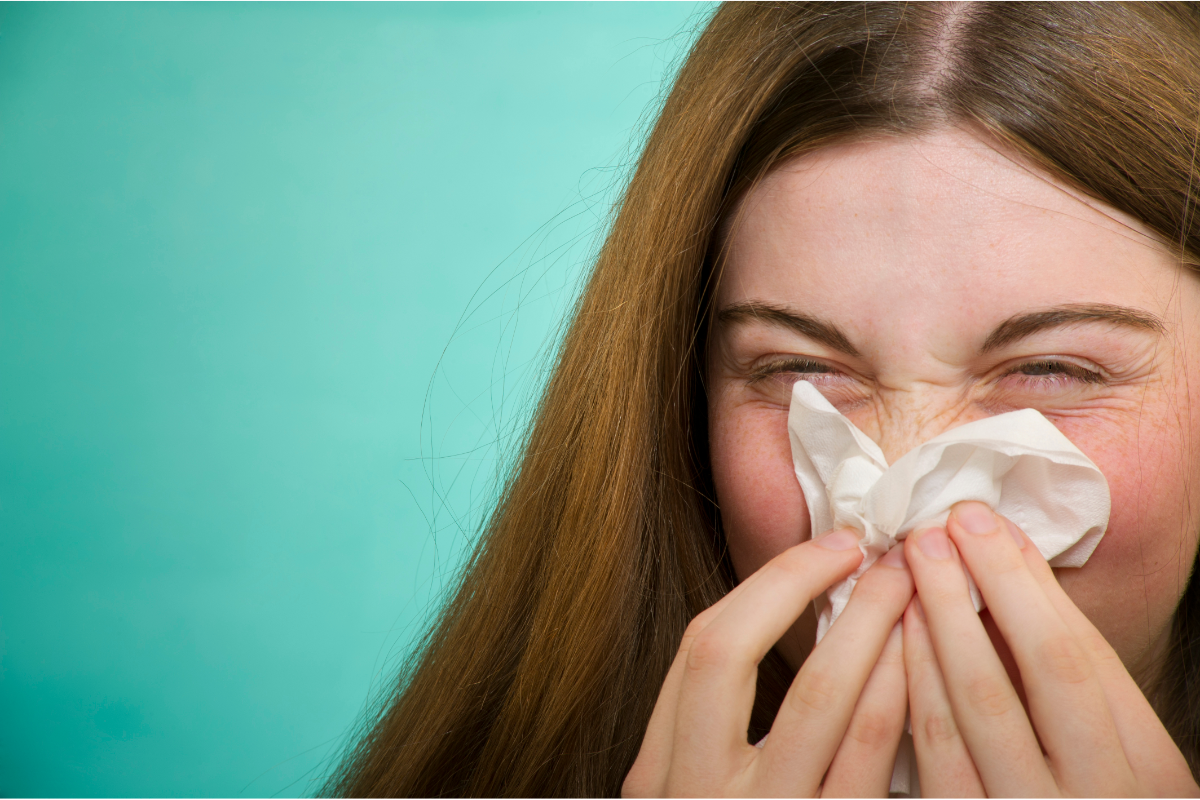
Spirulina, a natural antihistamine, effectively reduces nasal congestion and sneezing thanks to its anti-inflammatory properties. A long-lasting alternative to medicines such as cetirizine, it boosts immunity and soothes the respiratory tract. Easy to consume in powder or tablet form, it is ideal for combating allergies naturally.

Antihistamines, such as Cetirizine and Bilastine, play a pivotal role in dermatology, extending far beyond their traditional use in the management of itch and hives. This article, based on recent scientific research, aims to explore in depth the spectrum of action and efficacy of these drugs in various skin conditions. At the heart of this … Read more

In the current era of medicine, intranasal phototherapy is emerging as an innovative, non-invasive solution, particularly in the treatment of allergies at home. Red light, a key component of this technology, is attracting interest for its potential therapeutic benefits. This introduction explores the effectiveness of red light in phototherapy, a promising method of alleviating allergic … Read more

With the arrival of summer, the streets light up with life and the terraces overflow with joy. But for those sensitive to the sun’s rays, this beautiful season can prove more complicated. Did you know that the sun’s ultraviolet rays can cause allergies in some people, known as solar urticaria or polymorphic sunburn? When the … Read more

Atopy is a painful reality for the millions of people who suffer from it every day. This allergic disorder can cause itching, rashes and breathing difficulties that can interfere with your quality of life. However, understanding the causes of atopy, risk factors and ways to prevent it can help you better manage the symptoms and … Read more

One of the most annoying complaints in winter is a blocked nose. As well as bothering the airways, it makes the body tired with the stress it generates. Nasal congestion usually comes on the heels of a cold, flu or allergies. It can last a few days, weeks or even months, depending on the situation. … Read more

Spring is already here… Have you noticed it? Listen to the playful discussions of the sparrows, lean over and watch the vegetation change carefully, but surely. Our almond trees are already adorned with their flowers, the first buds are conscientiously growing, and gently, with muffled steps, nature emerges from its winter torpor. And you ? What’s going on inside … Read more
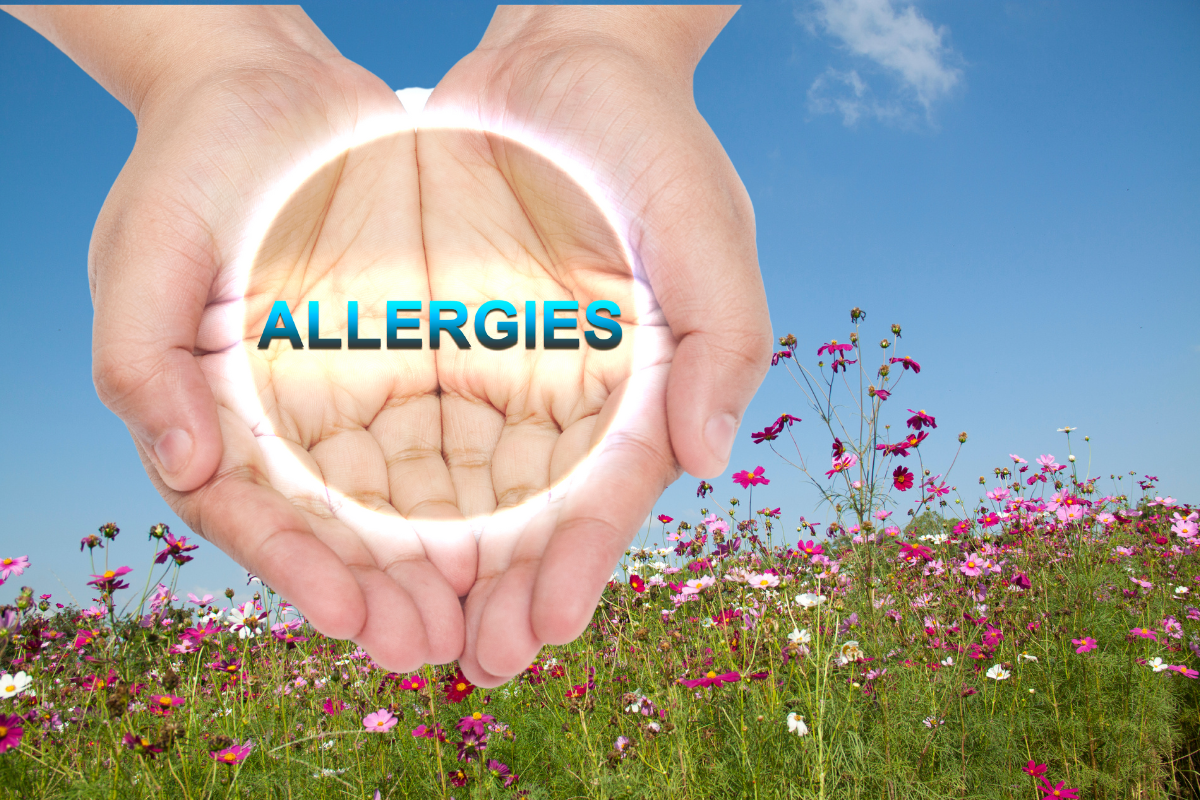
Spring marks the arrival of fine weather, but also of seasonal allergies. These ailments affect more and more people, young and old alike. Sneezing, coughing, conjunctivitis… The spring season and its climatic conditions favour the appearance of these crises. Pollen and pollution, the body reacts to these aggressions and alerts you. These symptoms, linked to … Read more

In the allergic, and because of genetic predispositions , the immune system is disrupted thus creating disorientation. To the point of mobilizing his troops against harmless substances such as dust mites, pollens or molds. Food allergies, asthma, conjunctivitis, eczema, rhinitis… If it manifests itself in different forms, the allergy is always the result of an error of assessment . From whom? Of the immune system. It … Read more
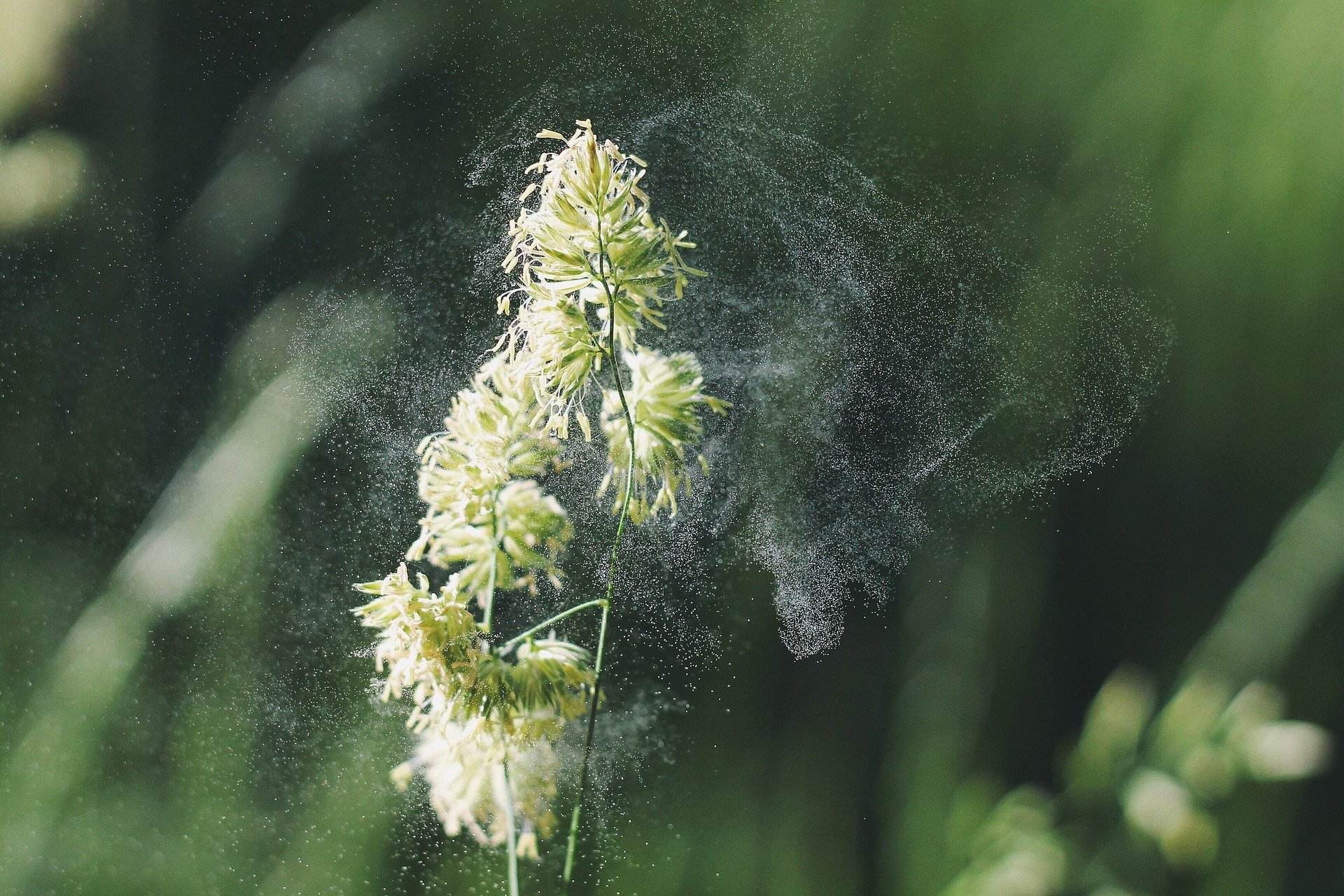
Rhinitis is a mild, acute, or chronic inflammation of the lining of the nasal passages. Suffice to say that it has many causes and can take many forms. The most common is due to coryza or cold. It can be chronic and is characterized by a more or less significant thickening (hypertrophy) of the nasal … Read more
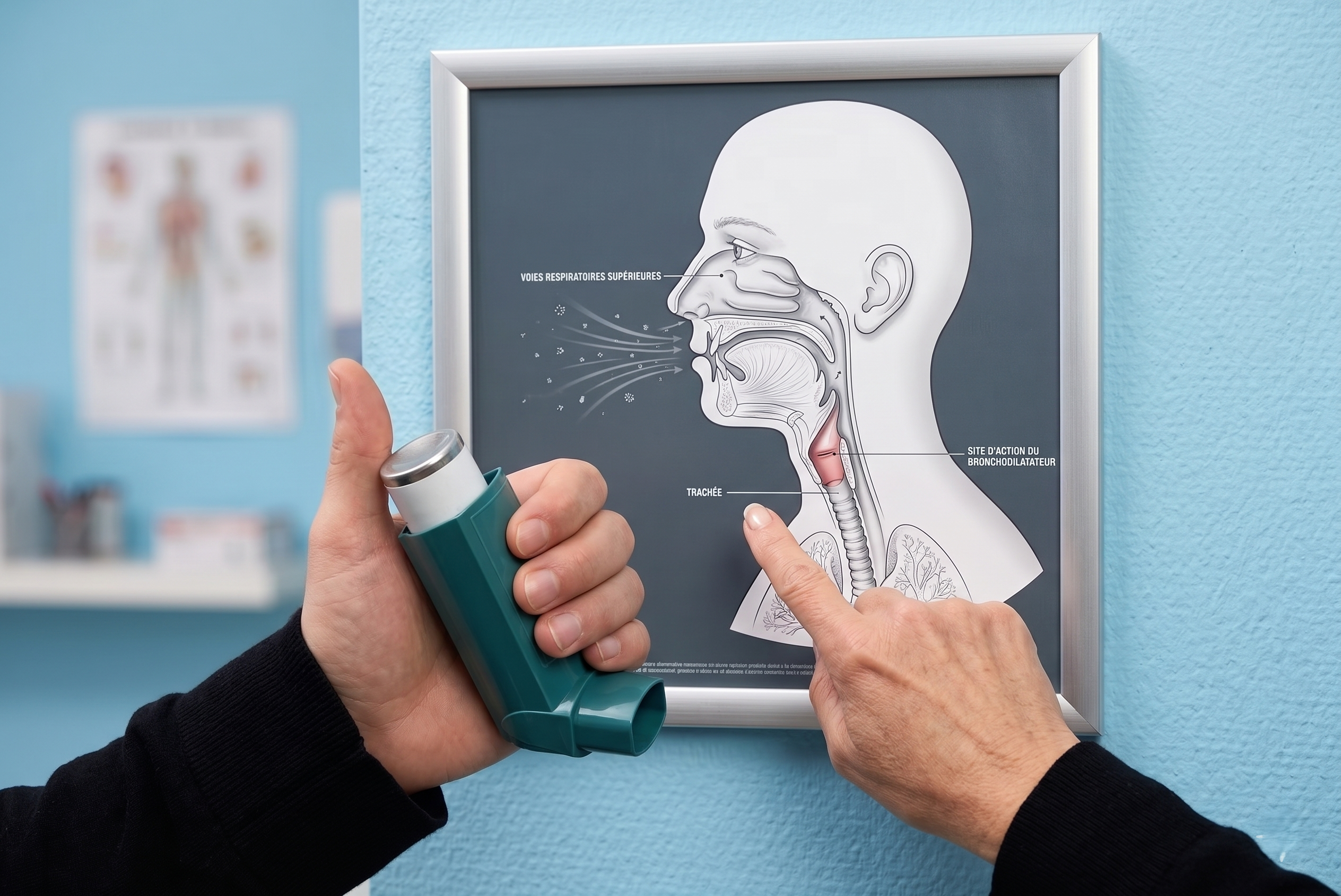
Asthma is a chronic inflammatory disease of the bronchi with bronchoconstriction. This pathology is multifactorial, so in half of the cases of allergic origin. The bronchi of the allergic patientoverreact to certain stimuli (cold and dry air, allergens, pollutants, etc.). This bronchial hyperreactivity (involving mast cells, eosinophils and lymphocytes) in short results in inflammation. This inflammatory phenomenon then leads … Read more

Allergies have risen sharply in recent decades. In Western countries, one person in four has clinical symptoms of allergy. Allergic respiratory diseases affect almost 90 million Europeans and 65 million people in the United States. Allergy is an inappropriate reaction of the immune system to a substance foreign to the body (allergen). The number of … Read more

Allergies, those often uncomfortable immune reactions, affect many of us. Whether it’s a reaction to pollen, pet dander or certain foods, symptoms such as sneezing, difficulty breathing, watery eyes or skin rashes can seriously affect our daily lives. These symptoms result from the release of histamine in our bodies, a natural response aimed at combating … Read more