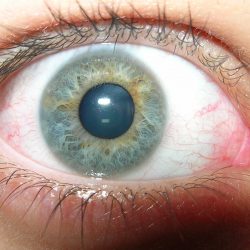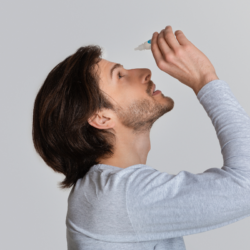

Dry eye syndrome is a common condition. It affects a growing number of people, particularly those who spend a lot of time in front of screens. This disorder, which is linked to a change in the tear film, causes persistent discomfort, including stinging, redness, tightness and blurred vision. Although these symptoms may seem minor, they often indicate a real fragility of the surface of the eye. It is therefore important to understand what is happening.
What is dry eye syndrome?
Also known as dry eye syndrome, dry eye results from an imbalance between tear production and evaporation. The tear film acts as a protective barrier. It nourishes the cornea and keeps it moist at all times. It consists of three layers: an inner mucinous layer, a watery layer in the centre and a thin lipid layer on the surface, which limits evaporation.
When this system is disrupted, dry eyes appear. Tear secretion may decrease. The lipid layer may also become insufficient. Symptoms range from simple eye irritation to chronic inflammation of the ocular surface. In these cases, quality of life can be significantly impaired.
What are the risk factors for dry eyes?
Several factors can contribute to the onset of dry eye syndrome :
- Age, which gradually reduces tear production.
- Hormonal changes, particularly during the menopause, which alter the composition of the tear film.
- Prolonged exposure to screens, air conditioning or pollution.
- Certain medications, such as antidepressants, antihistamines or hormone therapy.
- General medical conditions , such as autoimmune or endocrine diseases.
These factors often combine and can also reinforce each other. Dry eye then becomes more difficult to treat, especially when it becomes chronic.
Is the ocular microbiome involved in the phenomenon of “dry eyes”?
We now know that the surface of the eye is home to an ocular microbiome, i.e. a collection of protective microorganisms. This microbiome contributes to eye health. It acts as a natural immune barrier. It prevents the proliferation of certain germs and helps regulate local inflammation.
However, this balance remains fragile. Pollution, make-up,excessive use of antiseptic eye drops or certain skin diseases can disrupt it. When the microbiome becomes unbalanced, chronic inflammation can develop on the surface of the eye. The symptoms of dry eyes then gradually worsen.
What influence does the gut microbiota have on dryness and eye health?
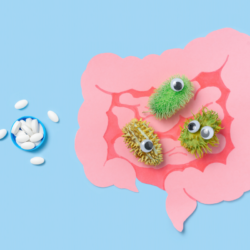
In this context, the role of the gut microbiota is also being closely studied. The gut plays a role in regulating immunity and inflammation throughout the body. When it is out of balance, it can affect other mucous membranes, including those of the eye.
Postbiotics are part of this approach. They appear to be an innovative way to restore a healthy microbiome with probiotics. These bioactive compounds, derived from beneficial microorganisms such as Lactobacillus or Bifidobacterium, strengthen natural defences and help reduce inflammation. In addition, their richness in natural antioxidants, such as short-chain fatty acids and B vitamins,protects cells against oxidative stress. By stabilising the tear film and soothing inflammation, postbiotics can help improve the long-term health of the ocular surface.
Why take a holistic and natural approach to dry eye health?
Dry eye syndrome is not just a simple discomfort. It often reflects a complex interaction between hormones, the microbiome, the environment and lifestyle. A better understanding of these mechanisms makes it possible to prevent the onset of symptoms earlier and to guide the choice of treatment.
In a future article, we will detail natural solutions that can support the tear film, soothe inflammation and help rebalance the microbiome. This holistic approach has a simple goal: to restore visual comfort and well-being on a daily basis.
Sources
- Tîrziu, A.-T.; Susan, M.; Susan, R.; Sonia, T.; Harich, O.O.; Tudora, A.; Varga, N.-I.; Tiberiu-Liviu, D.; Avram, C.R.; Boru, C.; et al. From Gut to Eye: Exploring the Role of Microbiome Imbalance in Ocular Diseases.J. Clin. Med.2024,13, 5611. https://doi.org/10.3390/jcm13185611
- Promising_bioactivities_of_postbiotics_A_comprehensive_review July 2023Journal of Agriculture and Food Research 14(10):100708