Eye disorders affect millions of people in France. Whether they are minor conditions or more serious pathologies, knowing how to identify the early signs of an eye disease allows you to act quickly and avoid ophthalmological complications. Among the most common conditions, three stand out in terms of prevalence: glaucoma, cataracts and conjunctivitis. Each has characteristic symptoms that should alert you and prompt you to consult an ophthalmologist.
Which eye disease causes progressive vision loss: glaucoma?
Glaucoma is one of the most insidious eye diseases. This progressive condition damages the optic nerve, usually due to high intraocular pressure. The problem? The symptoms often go unnoticed for years.
In its early stages, glaucoma does not cause any visible signs. Central vision remains intact while the peripheral field of vision slowly narrows. This gradual loss of side vision is referred to as “tunnel vision”. In its acute form, which is much rarer, the symptoms become sudden: intense eye pain, redness, blurred vision, halos around lights and nausea. This is a medical emergency requiring immediate consultation.
The diagnosis of glaucoma is based on several tests: measurement of intraocular pressure, observation of the optic nerve and visual field testing. After the age of 40, regular screening becomes essential, especially if there is a family history of the condition.
How can you recognise an eye disease such as cataracts?
Cataracts are the leading cause of surgery in France. This eye disease is characterised by the progressive clouding of the lens, the natural lens that allows us to focus.
The symptoms develop slowly. Vision gradually becomes blurred, as if looking through a fogged-up windscreen. Colours lose their brightness and turn yellowish. Sensitivity to light increases, making night driving particularly difficult due to the halos around headlights. Some people affected by this eye disease also notice a temporary improvement in their near vision, a surprising phenomenon called “second sight”.
The diagnosis is made during a comprehensive eye examination. The ophthalmologist examines the lens with a slit lamp and assesses the impact on daily vision. Although linked to natural ageing, cataracts can sometimes affect younger people, particularly after eye trauma or prolonged exposure to UV rays.
Which eye disease causes red, irritated eyes: conjunctivitis?
Conjunctivitis, an inflammation of the membrane covering the white of the eye, is one of the most common eye diseases. It can have several causes: viral, bacterial or allergic.
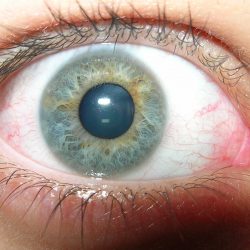
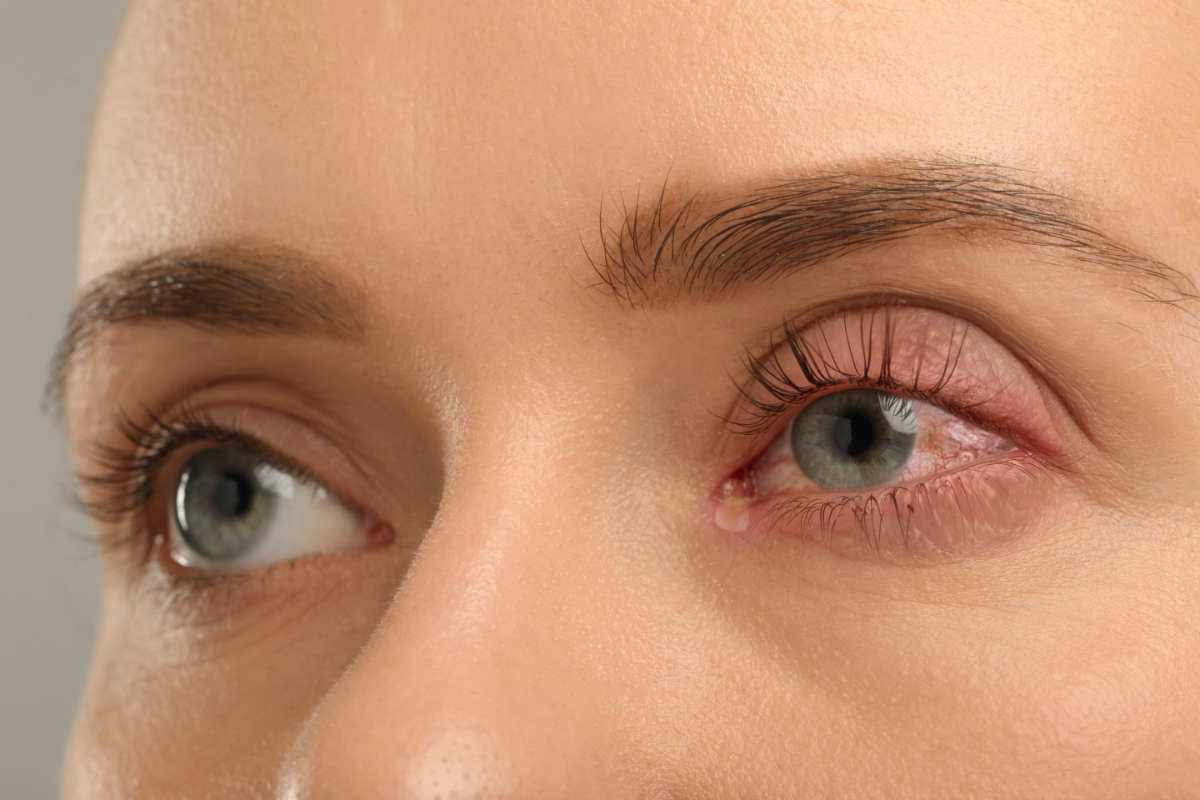
Symptoms vary depending on the cause but generally include marked redness, itching and irritation of the eyes, a feeling of grit in the eyes and profuse tearing. The bacterial form is recognisable by yellow or greenish secretions, particularly noticeable upon waking. The viral version is often accompanied by clear discharge and may affect one eye first before spreading to the other. Allergic conjunctivitis causes intense itching and usually affects both eyes simultaneously.
In most cases, diagnosis remains clinical. The appearance of the eye and the nature of the discharge guide the practitioner towards the origin of the eye inflammation.
When should you seek medical advice for an eye condition?
When it comes to eye conditions, vigilance is key. Sudden vision loss, persistent eye pain, flashes of light or the appearance of floaters require immediate consultation with an ophthalmologist. Even seemingly minor symptoms warrant professional advice to rule out any complications with your vision. Natural remedies can help relieve certain eye conditions, complementing the treatment prescribed by your ophthalmologist. Your eyesight is precious: take care of it.