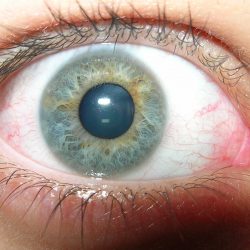

Stinging eyes, blurred vision at the end of the day… If you spend a lot of time on a computer, smartphone or tablet, your tired eyes are sending you a clear signal: they need breaks and proper care. These signs should not be ignored: they indicate eye strain and often dryness of the eye surface. In this article, we review the 10 best tips for reducing eye strain and giving you the eye comfort you deserve.
1. How to apply the 20-20-20 rule?
To limit eye strain when viewing close up, adopt this simple habit:
- Every 20 minutes
- Take a 20-second break
- Look into the distance, about 6 metres away
This regular relaxation allows the eye muscles to relax and reduces feelings of tension and blurred vision.
2. How can you adjust your workstation to give your eyes a rest?
Good visual layout makes all the difference for your eyes:
- Place the screen at arm’s length, slightly below eye level
- Position it to limit glare (with windows to the side rather than behind or in front)
- Adjust the brightness of the screen to match that of the room: neither too bright nor too dim
Correct posture (back straight, shoulders relaxed, gaze slightly downwards) also reduces tension in the neck and head, which is often associated with tired eyes.
3. Why is it important to take frequent breaks from looking at screens?
In addition to the 20-20-20 rule, remember to:
- Taking a real 5-minute break every hour, away from the screen
- Alternating tasks (reading on paper, moving around, chatting)
- Looking out of the window or into the distance regularly to ” break ” prolonged close-up vision
These micro-breaks improve your concentration while giving your eyes a rest.
4. Why is it important to blink more often?
When looking at a screen, the frequency of blinking decreases, which dries out the surface of the eye. To compensate:
- Get into the habit of deliberately blinking several times in a row, in a slightly exaggerated manner.
- Do a few series of conscious blinks throughout the day (for example, each time you change tasks).
This simple action helps to rebuild the tear film and reduce the sensation of burning or grit in the eyes.
5. How can you properly hydrate your eyes and body?
Two levels of hydration are important:
- Local: suitable artificial tears (preservative-free if possible, especially for regular use) to lubricate the surface of the eye and improve comfort, particularly if you wear contact lenses or work in an air-conditioned environment.
- General: drink enough water throughout the day to avoid aggravating the tendency for mucous membranes, including those in the eyes, to dry out.
Ask your pharmacist for advice on choosing eye drops that are suitable for your situation.
6. How can you limit the impact of blue light in the evening?
Blue light from screens contributes to eye strain and also disrupts sleep:
- Activate the “blue light” or “night mode” filters on your devices
- Opt for soft lighting at the end of the day
- Avoid screens as much as possible in the hour before bedtime
Sleeping better also means allowing your eyes to fully recover.
7. What eye exercises or yoga poses can relieve tired eyes?
A few quick exercises can relieve tired eyes:
- Look up, down, right, left, then diagonally, without moving your head
- Alternate between looking into the distance and looking close up several times in a row
- Try ” palming “: rub your hands together to warm them up, then cup them over your closed eyes for one minute, without pressing down
These movements promote eye relaxation and provide a real feeling of rest.
8. How can you soothe your eyes with cold and plants?
To complement these actions:
- Place a relaxing chilled or heated eye mask on your closed eyelids; compresses soaked in chamomile hydrosol or cooled chamomile infusion for 10 to 20 minutes can also help soothe
- Use clean cold tea bags as compresses to stimulate microcirculation and relieve irritation.
These simple treatments have a decongestant and soothing effect , which is particularly welcome in the evening after a busy day in front of a screen.
9. What supplements can support your eyes from within?
Certain natural approaches can contribute to eye comfort:
- Omega-3 (EPA/DHA): these are involved in the composition of cell membranes and appear to improve the quality of the tear film and reduce local inflammation.
- Sea buckthorn oil: used as a supplement, it is being studied for its benefits in treating dry eyes and burning or stinging sensations.
These supplements should be part of a balanced diet and can be chosen with the help of your chemist or healthcare professional. Certain symptoms may be indicative of eye diseases that need to be monitored. Your ophthalmologist will be able to advise you on what to do.
10. When should tired eyes prompt you to seek medical advice?
Although tired eyes are often harmless, medical advice is necessary if:
- The discomfort persists despite taking breaks and practising good eye hygiene
- Your vision becomes permanently blurred or deteriorates
- You experience pain, severe redness or significant sensitivity to light
- You suffer from chronic dry eye syndrome or associated eye conditions
An ophthalmological examination will check your visual correction, assess dry eye and, if necessary, recommend a more specific treatment. Your pharmacist can also advise you on the most suitable ophthalmic products and answer your day-to-day questions.
Sources
- https://www.planetesante.ch/Magazine/Sante-au-quotidien/Secheresse-oculaire/Travail-sur-ecran-comment-faire-pour-ne-pas-avoir-les-yeux-secs
- https://www.laboratoires-thea.com/
- https://www.doctissimo.fr/html/sante/mag_2004/sem01/mag0611/sa_7791_fatigue_visuelle.htm
- https://www.passeportsante.net/fr/Maux/Problemes/Fiche.aspx?doc=yeux-secs-syndrome-secheresse-oculaire-pm-prevention-du-syndrome-des-yeux-secs