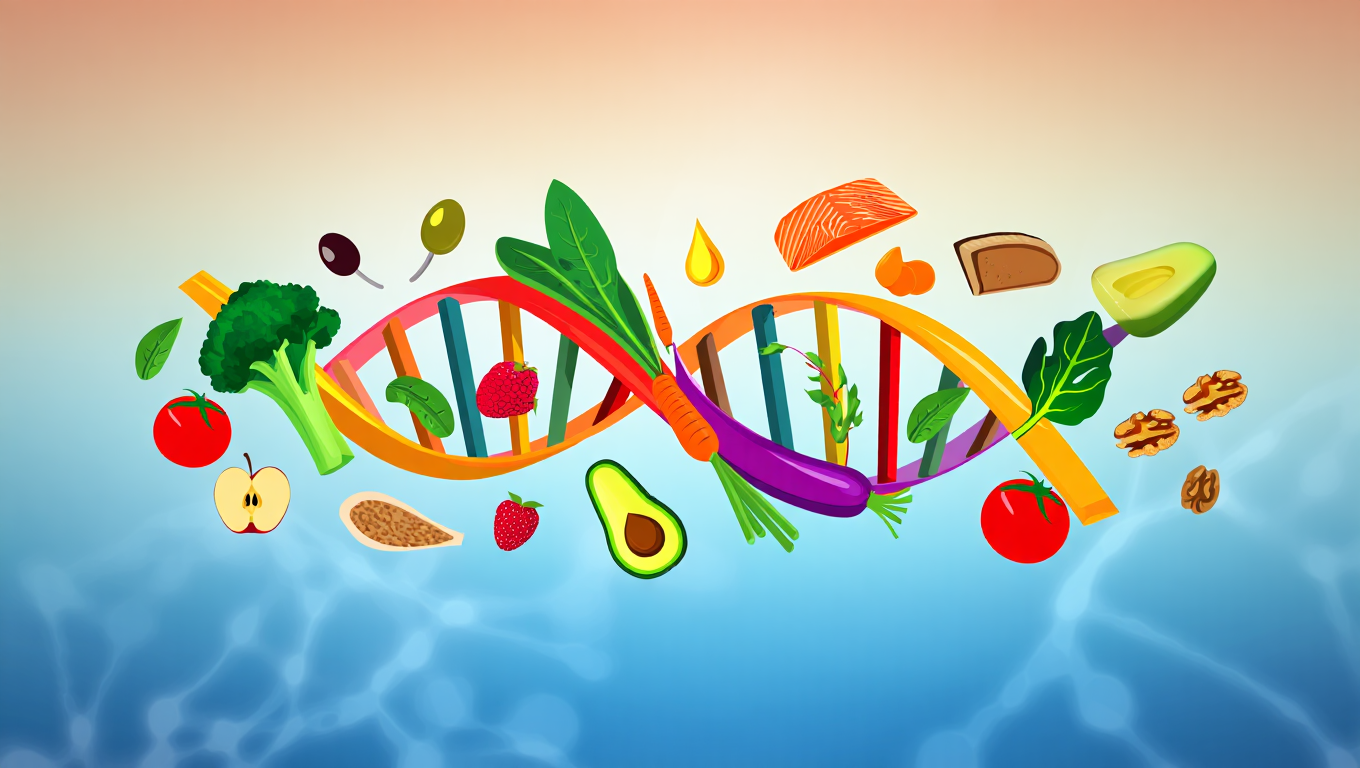
Diet plays a decisive role in regulating the biological mechanisms involved in cellular senescence, biological ageing and tissue regeneration capacity. The nutrients we consume therefore directly influence oxidative stress, inflammation and cellular energy metabolism. When these parameters remain balanced, the body can more easily maintain cellular homeostasis and limit the accumulation of senescent cells.
In our previous articles, we saw that senescence is primarily a protective mechanism (article 1) but that its accumulation can become problematic with age (article 2). Diet is therefore one of the major levers for influencing these biological processes.
Why does nutrition influence cellular health?
Cells need nutrients to produce energy, repair damaged structures and maintain the integrity of their DNA. When the diet provides the cofactors necessary for these functions, cellular repair mechanisms work more efficiently.
Nutrients are involved in particular in:
- neutralising free radicals
- regulating inflammatory responses
- mitochondrial function
- DNA repair
A balanced nutritional environment thus helps maintain a biological environment conducive to tissue regeneration.
Which nutrients in our diet help protect cells?
Several nutrients help maintain cellular health and regulate oxidative stress.
- Omega-3: found in oily fish, omega-3 helps to modulate inflammation.
- Polyphenols: plant compounds found in red fruits, green tea and cocoa.
- Vitamin C: helps neutralise free radicals.
- Vitamin E: protects cell membranes.
- Zinc and selenium: involved in antioxidant enzymes.
These nutrients do not prevent senescence — which remains a normal physiological process — but they help to limit the biological aggressions that can accelerate cellular ageing.
Why is metabolic balance through diet essential for cells?
Energy metabolism plays a central role in cell health. When glucose and lipid regulation is functioning properly, cells have the energy they need to maintain their maintenance mechanisms.
Conversely, certain metabolic imbalances can promote a biological environment conducive to senescence:
- excess refined sugars
- ultra-processed foods
- chronic calorie excess
- mitochondrial dysfunction
These situations promote the production of free radicals and maintain metabolic inflammation.
What role do dietary polyphenols play in the biology of ageing?
Polyphenols are natural compounds found in many plants. They are being studied for their ability to modulate certain biological pathways associated with cellular ageing.
Among the most studied molecules are:
- qu ercetin
- res veratrol
- fisetin
These compounds are being studied in research on the mechanisms of ageing, particularly for their ability to influence antioxidant and inflammatory responses.
How does a balanced diet support tissue regeneration?
Tissue regeneration depends on a set of biological processes: stem cell activity, protein synthesis, mitochondrial function and gut microbiota balance.
Diet contributes to these mechanisms by providing:
- amino acids necessary for tissue synthesis
- micronutrients involved in enzymatic reactions
- fibre that supports the gut microbiota
In practice, a diet rich in minimally processed foods, fruits and vegetables, high-quality protein sources and balanced lipids helps maintain an environment conducive to cellular health.
These nutritional approaches are part of a comprehensive strategy for preventing biological ageing, which also includes lifestyle and hormesis mechanisms.
| Nutrient | Food sources | Biological role |
|---|---|---|
| Omega-3 | Oily fish, walnuts | Modulation of inflammation |
| Polyphenols | Red fruits, green tea | Antioxidant protection |
| Vitamin C | Citrus fruits, vegetables | Neutralisation of free radicals |
| Zinc | Seafood, seeds | Immune function |
To learn more about the mechanisms involved in the biology of ageing, see our feature on cellular senescence.
Frequently asked questions about diet and cellular senescence
Can diet influence cellular senescence?
Yes. A balanced diet can reduce certain biological factors associated with senescence, such as inflammation and oxidative stress.
Which foods contain the most antioxidants?
Red fruits, colourful vegetables, green tea and certain spices are rich in antioxidant compounds.
Are polyphenols beneficial for cellular health?
Polyphenols have antioxidant properties that have been studied in research on cellular ageing.
Can a balanced diet slow down ageing?
It helps maintain the metabolic and inflammatory balance involved in cellular health.
Can dietary supplements replace food?
No. They can supplement certain nutrients but cannot replace a varied and balanced diet.
Written and medically validated by Arnaud, Doctor of Pharmacy and owner of Pharmacie Soin et Nature.