Lymphoma in cats: a devastating disease
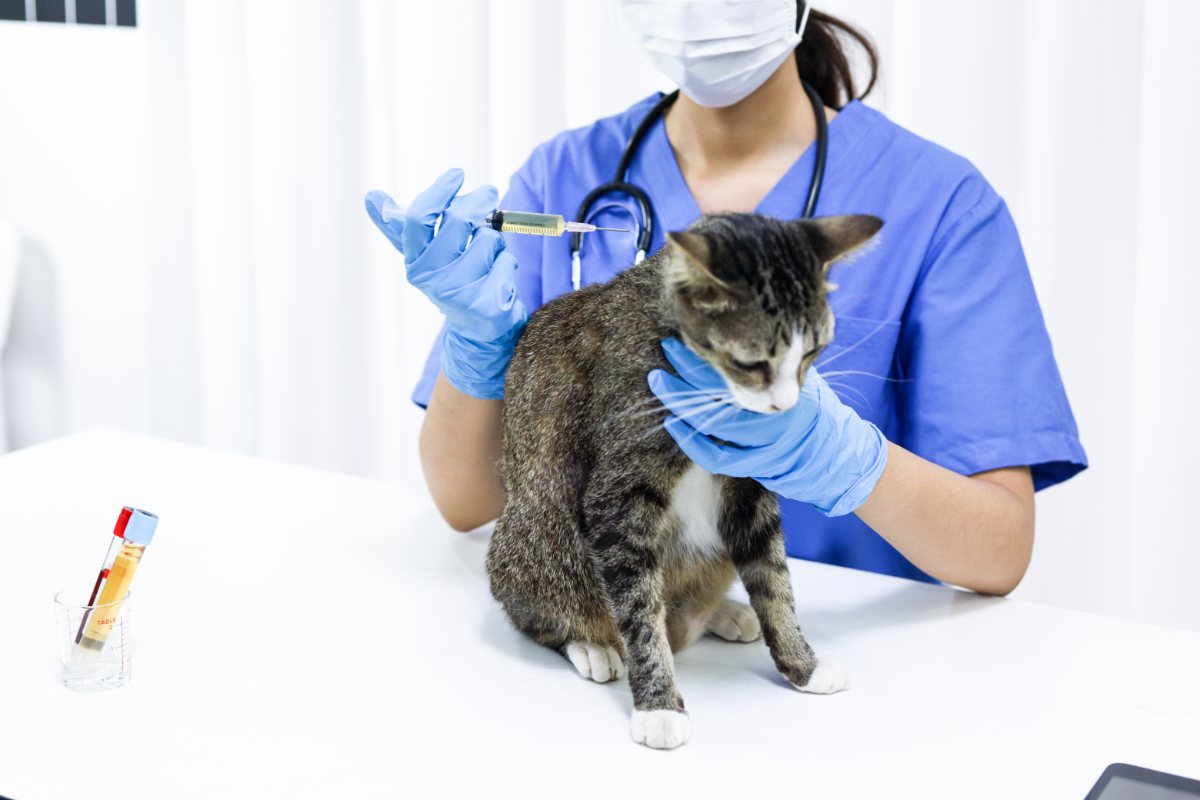
Lymphoma in cats is a common cancerous disease that mainly affects the lymphatic system of our felines. The condition can cause a variety of symptoms, depending on where it develops in the body. For cat owners, it’s crucial to understand this disease so you can detect it early and explore the treatment options available. What … Read more


Dog dysplasia: improving your dog’s quality of life

Dysplasia in dogs is a common condition affecting many breeds, particularly large breeds. This joint disease can affect the hip, elbow and other joints, leading to chronic pain and reduced mobility. Although it is largely a genetic condition, various environmental factors can also influence its development. What causes this condition? Dysplasia is an abnormality in … Read more

Immune-mediated haemolytic anaemia: an idiopathic disorder

Immune-mediated haemolytic anaemia (IMHA) is a serious disease that mainly affects dogs, although it can also affect cats. This autoimmune condition causes the immune system to attack and destroy the animal’s red blood cells, leading to debilitating symptoms and can be fatal in severe cases without adequate treatment. What causes this disease? Immune mediated haemolytic … Read more

Equine granulocytic anaplasmosis: a forgotten disease

Equine granulocytic anaplasmosis is a rare but growing infectious disease that mainly affects horses in the northern hemisphere, particularly in Europe and the United States. The disease is caused by the bacterium Anaplasma phagocytophilum and is transmitted mainly by ticks. Little known to the general public, it can nevertheless cause serious complications in infected animals. … Read more

Valerian: a botanical treasure for stress management

Valerian (Valeriana officinalis) is a medicinal plant that has been used for centuries for its sedative and anxiolytic properties. It is one of the most popular natural remedies for promoting sleep and reducing anxiety. This plant, whose roots and rhizomes are mainly used, contains various bioactive compounds such as valepotriates, sesquiterpenes and valerenic acids, which … Read more

How can you protect your pet from spikelets?

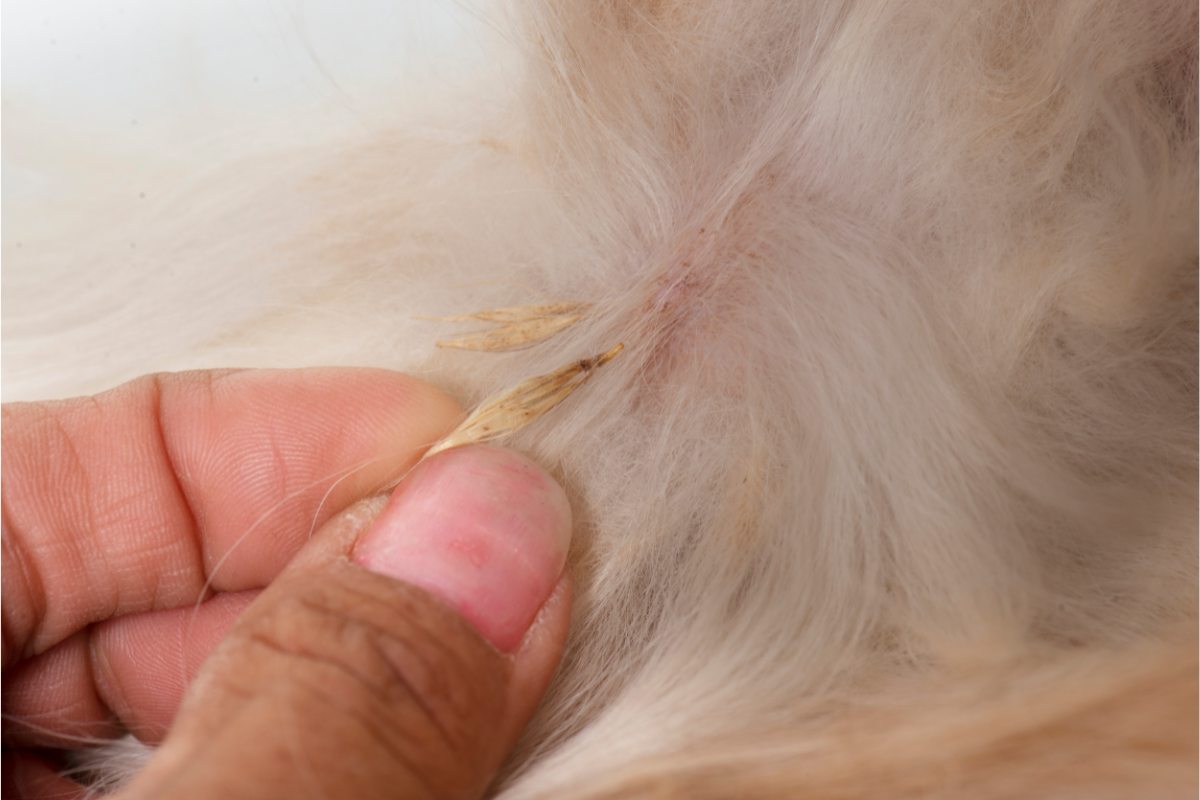
Spikelets, the tiny seeds of grasses, can be a real danger to our four-legged friends. Often invisible and unobtrusive, they embed themselves in the coat and can lead to serious complications if not detected in time. What are spikes? Spikelets are dry spikes of grass, characteristic of plants in the Poaceae and Cyperaceae families. They … Read more

Ear scab: what to do?

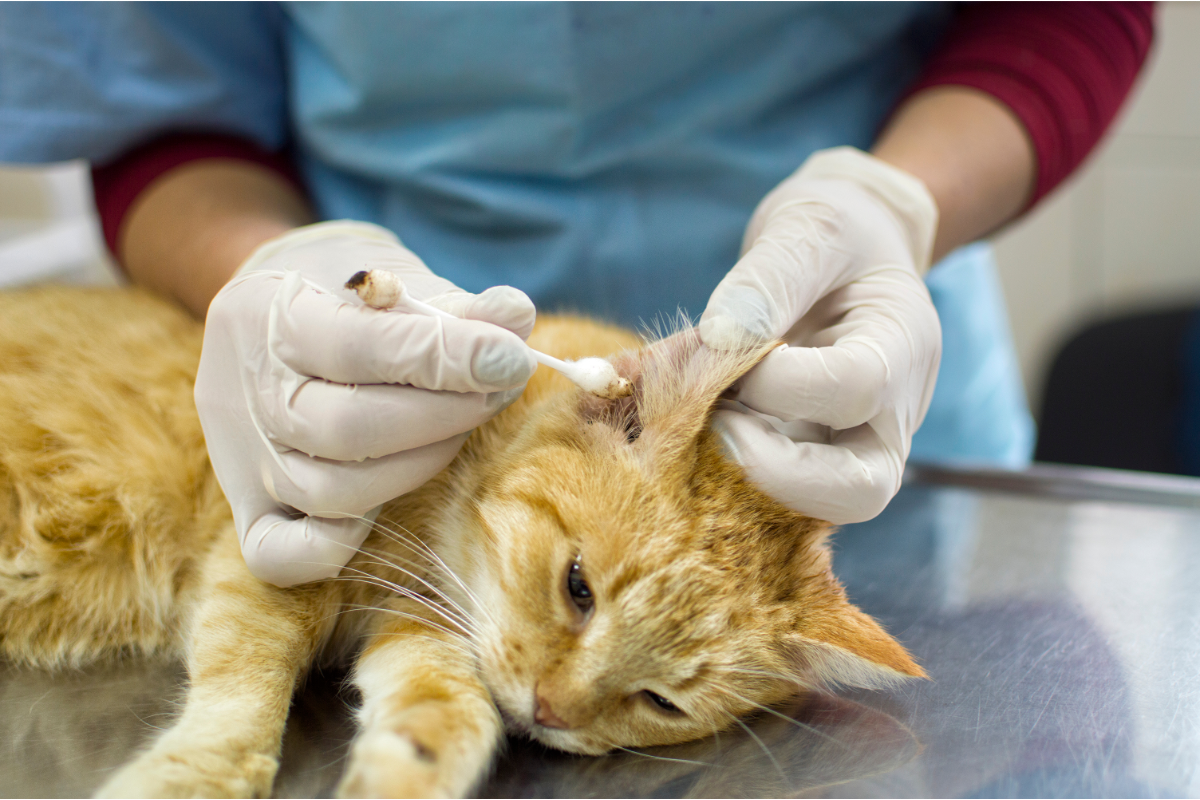
Ear scab, also known as otacariosis, is a common parasitic disease of dogs, cats and ferrets. Otodectes cynotis, a mite, causes the disease by feeding on earwax and skin debris in the animal’s ear canal. This highly contagious disease can lead to serious complications if not treated quickly. What causes this disease? Ear mange, or … Read more

Focus on biting dogs

Dog biting is a major challenge for owners and animal behaviour professionals. Understanding the reasons behind this behaviour is essential to prevent incidents and ensure everyone’s safety. Bites can be the result of a variety of factors, from anxiety and fear to socialisation and hierarchy issues. This article explores the root causes of dog biting, … Read more

How do dogs communicate?

Dogs’ means of communication have fascinated owners and researchers for decades. Understanding how dogs express their needs, emotions and intentions can profoundly improve our relationship with them. Dogs use a range of signals to communicate, including vocalisations, facial expressions, body postures and social behaviour. This article explores the different forms of canine communication, highlighting the … Read more

What are the main behavioural problems in dogs?

Dogs, faithful and loving companions, can sometimes develop behavioural problems that disrupt their daily lives and those of their owners. These disorders are varied and often complex. They can include aggressive behaviour, phobias,separation anxiety and compulsive behaviour. Understanding the causes and manifestations of these disorders is essential if you are to remedy them effectively and … Read more

The dog’s cognitive development

Cognitive development in dogs is an increasingly important area of study. It offers enriching perspectives on understanding animal intelligence and on improving interactions between dogs and humans. This development encompasses a range of mental processes, from perception and learning to memory and problem solving. These processes are crucial to the well-being and adaptability of dogs … Read more

Hemp essential oil: a therapeutic treasure

The essential oil of hemp, known as cannabis, offers many therapeutic virtues despite a certain potential neurotoxicity. Contrary to its reputation for sedative properties, this oil stands out for its effectiveness in relieving inflammation of the digestive tract and respiratory tract. Particularly useful in cases of bronchitis or difficult digestion, cannabis essential oil requires a … Read more

Freestyle sensors for monitoring diabetic cats

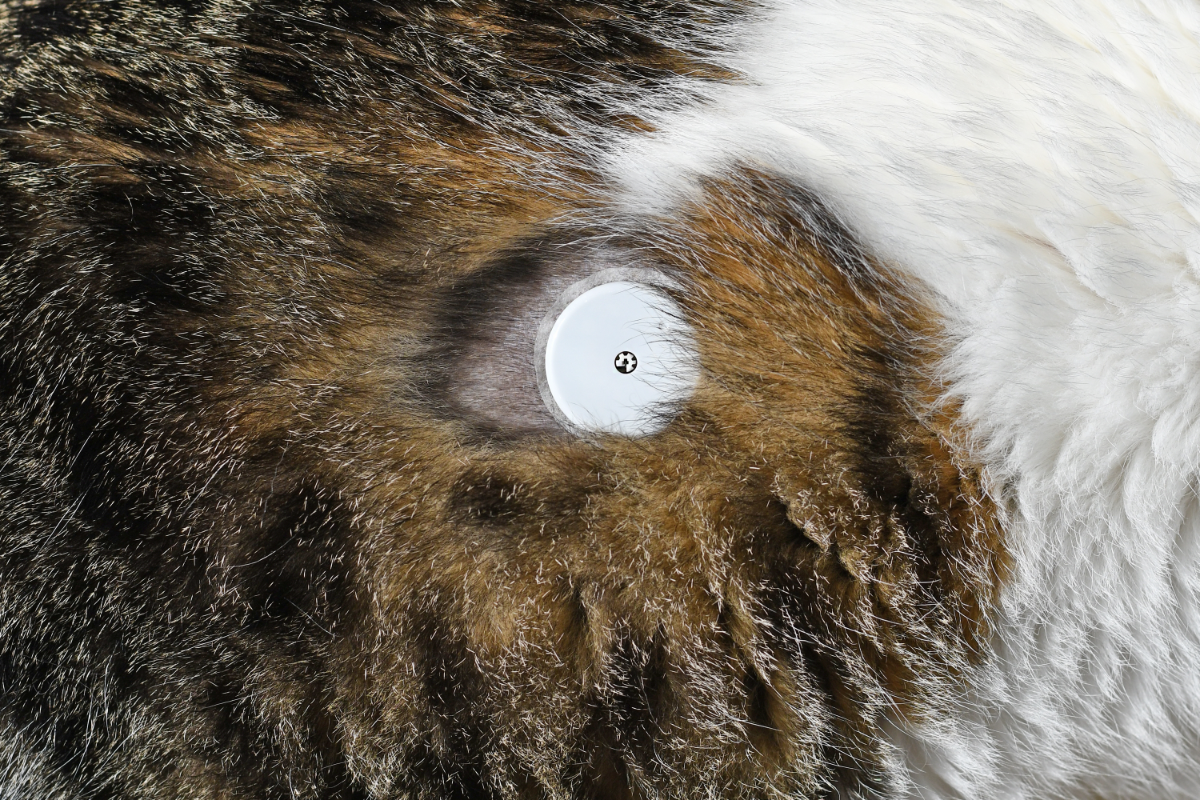
Diabetes mellitus is a common condition in cats, requiring careful management of blood glucose levels to ensure their well-being. Continuous glucose monitoring sensors, such as the FreeStyle Libre, offer an innovative solution for blood glucose monitoring in diabetic cats. This article examines the benefits and use of FreeStyle Libre sensors in feline blood glucose monitoring, … Read more

Cruciate ligament rupture in dogs: what can be done?

Cruciate ligament rupture in dogs is a common condition that can seriously affect your pet’s mobility. The cruciate ligaments, located in the knee joint, play an essential role in stabilising the knee and coordinating movement. When these ligaments rupture, your dog may experience intense pain and a pronounced limp. What causes this condition? The dog’s … Read more

Managing your dog’s epilepsy

Epilepsy in dogs is a complex neurological condition that can be disconcerting for owners. Characterised by sudden and often spectacular seizures, the condition requires careful and rigorous management. How should you react in the event of a seizure? If your dog has an epileptic seizure, it’s crucial to stay calm and follow these steps: Make … Read more

Cat and epilepsy: how do you manage it?

Epilepsy in cats, although less common than in dogs, represents a major challenge for owners and vets. This neurological disease is characterised by sudden and often impressive seizures, involving muscle stiffness, convulsions and unusual behaviour. How do you manage a seizure? Even if seeing your cat convulse is upsetting, it’s crucial to remain calm. Intervening … Read more

Epilepsy in pets

Epilepsy is a chronic neurological condition that affects not only humans but also pets such as dogs and cats. The condition is characterised by recurrent seizures resulting from abnormal electrical activity in the brain. Seizures can vary in intensity and duration, ranging from mild tremors to severe convulsions. Managing epilepsy in pets requires a multidisciplinary … Read more

What are the natural remedies for whooping cough?

Whooping cough, a highly contagious respiratory infection caused by the Bordetella pertussis bacterium, can be particularly severe in infants and young children. In addition to standard antibiotic treatments, there are a number of natural remedies that can be used to treat this disease. Medicinal plants and essential oils offer alternatives for relieving symptoms and boosting … Read more

How do you deal with whooping cough?

Pertussis, a bacterial infection of the respiratory tract caused by Bordetella pertussis, poses a significant threat, especially to infants and young children. Vaccination remains the most effective method of preventing this disease, reducing the incidence and severity of symptoms. In addition to vaccines, various conventional and natural treatments are available to alleviate symptoms and speed … Read more

What is pertussis?

Whooping cough, also known as pertussis, is an acute bacterial infection of the respiratory tract caused by Bordetella pertussis. This disease is particularly dangerous for infants and young children. All age groups can be affected. Pertussis initially manifests itself with symptoms similar to those of the common cold. However, they rapidly progress to violent, characteristic … Read more