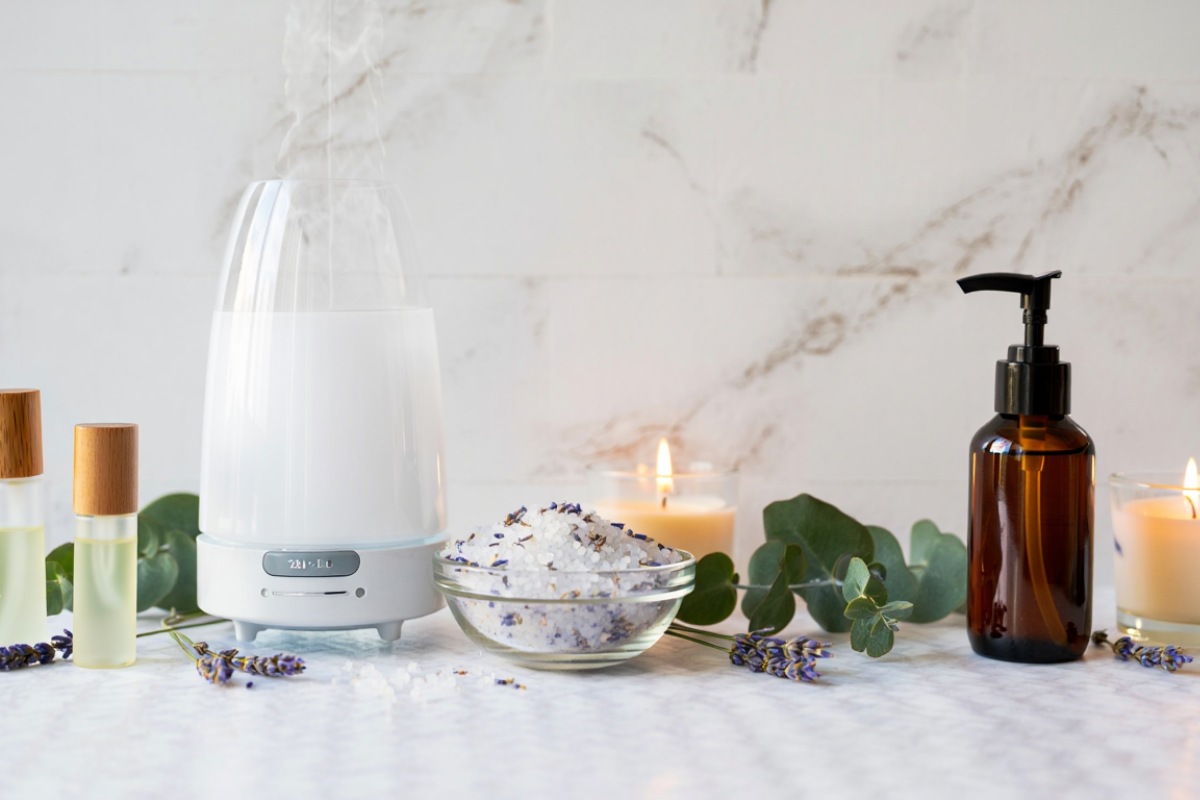
Essential oils now play an important role in natural approaches to health and well-being. Before using them, it is essential to understand that just a few drops are often enough to produce an effect, as essential oils are highly concentrated plant extracts. How they are administered directly influences their effectiveness, but also how well they are tolerated by the body. Some methods of use are well suited to everyday use, while others require more precautions or the advice of a healthcare professional.
In this article, we review the main ways to use essential oils on a daily basis, the generally recommended dosages, and the essential precautions to take to enjoy their benefits while limiting the risks.
How to use essential oils on the skin?
The skin benefits from the lipophilicity of essential oils, which are highly compatible with the skin.
In practice, we generally recommend 3 to 5 drops of essential oils per 10 ml of vegetable oil, or approximately 1 to 3%. Certain oils rich in phenols (thymol, carvacrol, eugenol), cinnamaldehyde, pinene or citral can irritate the skin, which is why it is important to dilute them in vegetable oils.
As a guide, we can therefore note: 1% for dermocosmetics, 3% for repairing the integumentary system (nose, ears, vagina), 5% for the nervous system (stress, well-being), 7% for circulation, 10% for muscles, tendons and joints, 15% for sports, 20% for powerful local action, 50% for very targeted use, and exceptionally pure (fine lavender, ravintsara) under professional supervision.
Can essential oils be diffused into the air?
Atmospheric diffusion complements a basic treatment and is used mainly for prevention but also to accompany moments in life (pregnancy, difficulty falling asleep, etc.).
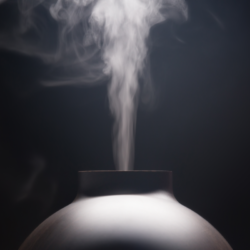
In an olfactory environment, the essential oil diffuser is programmed for approximately 10 minutes per hour. With a burner, water is poured into the dish, a few drops of essential oil are added, and then a tea light is lit. The heat causes the mixture to evaporate, perfuming the room. The essential oil is absorbed through inhalation and, to a lesser extent, through skin contact. Electric diffusers are more powerful and can cover the entire house, but care must be taken not to saturate the air with aromatic molecules.
However, dry inhalation (a few drops on a handkerchief) is not recommended for children under 3 years of age, epileptics or asthmatics.
For wet inhalation, use 3 to 8 drops in an inhaler bowl for adults and children over 12 years of age, for 3 to 7 minutes, 2 to 3 times a day. Never diffuse in a child’s bedroom while they are sleeping. Pets must be able to leave the room, and irritating oils (rich in phenols, citrals, etc.) should be avoided.
Can essential oils be used in aromatic baths and showers?
Aromatic baths combine hydrotherapy and aromatherapy for relaxation, circulation and breathing. There are two types:
- hot baths (37–42°C), maximum 10 minutes, to be avoided after exercise or during digestion;
- lukewarm-hot baths (30–36 °C), well tolerated and conducive to sleep;
- cold baths (10–25 °C), focused mainly on the thermal effect.
To add essential oils to the bath, dilute up to 10 drops per 100 litres of water with a dispersant (solubol, labrafil) in an amount approximately four times greater than that of the essential oil.
How should essential oils be taken orally?
Oral administration requires great caution.
For adults, do not exceed 6 drops of essential oils per day, at a rate of 2 drops 3 times a day. For children, the limit is 3 drops per day, 1 drop 3 times a day. No oral intake is permitted before the age of 7.
Always dilute in a suitable carrier (vegetable oil, honey, compote, lactose-free neutral tablet) and take the drops during a meal to improve tolerance during digestion.
Can it be administered rectally?
Rectal administration ensures excellent absorption, which is useful when oral administration is not possible (digestive fragility, refusal to take the medication, etc.). It is only available on prescription, in the form of suppositories.
The usual amount varies from 75 to 100 mg of essential oils per suppository. For chronic treatment, the target is approximately 10 mg/kg/day without exceeding 150 mg per day, with a common regimen of 1 suppository twice a day. This route remains useful in children and adults who are intolerant to oral administration, but is contraindicated in cases of haemorrhoids or ulcerative colitis. In gynaecology, ovules containing 5–10% essential oils are generally used.
Highly concentrated in active aromatic molecules, essential oils can be used in a variety of ways: applied to the skin, diffused into the air, inhaled, added to aromatic baths, or even taken orally in certain specific situations. However, this therapeutic power comes with strict rules of use, as improper dilution or dosage can lead to undesirable effects.
FAQ – ways to use essential oils in everyday life
How should essential oils be diluted for use on the skin?
For skin application, 1% to 20% of essential oil is generally diluted in a vegetable oil according to the indication, using, for example, 3 to 5 drops of essential oil per 10 ml of vegetable oil in basic use, in order to limit the risk of irritation.
What precautions should be taken when diffusing essential oils?
When diffusing, it is advisable to set short cycles of about 10 minutes per hour and to avoid diffusing in a child’s bedroom while they are sleeping. It is also important to remove animals from the room and not to use irritating or phenol-rich essential oils on sensitive individuals.
Can essential oils be taken orally?
Oral use should be reserved for adults and certain specific situations: the standard dosage does not exceed 6 drops per day for an adult and 3 drops per day for a child, always diluted in a suitable medium and taken with meals. Furthermore, it is contraindicated for children under 7 years of age and pregnant women.
What are the main contraindications?
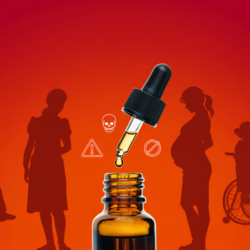
Certain essential oils are therefore contraindicated for pregnant or breastfeeding women, children, people with epilepsy, asthma or the elderly, particularly those rich in ketones, phenols or monoterpenes, which requires medical advice before any risky use.