Grapefruit essence, pharmacologically interesting hybrid

Grapefruit essence, pharmacologically interesting hybrid
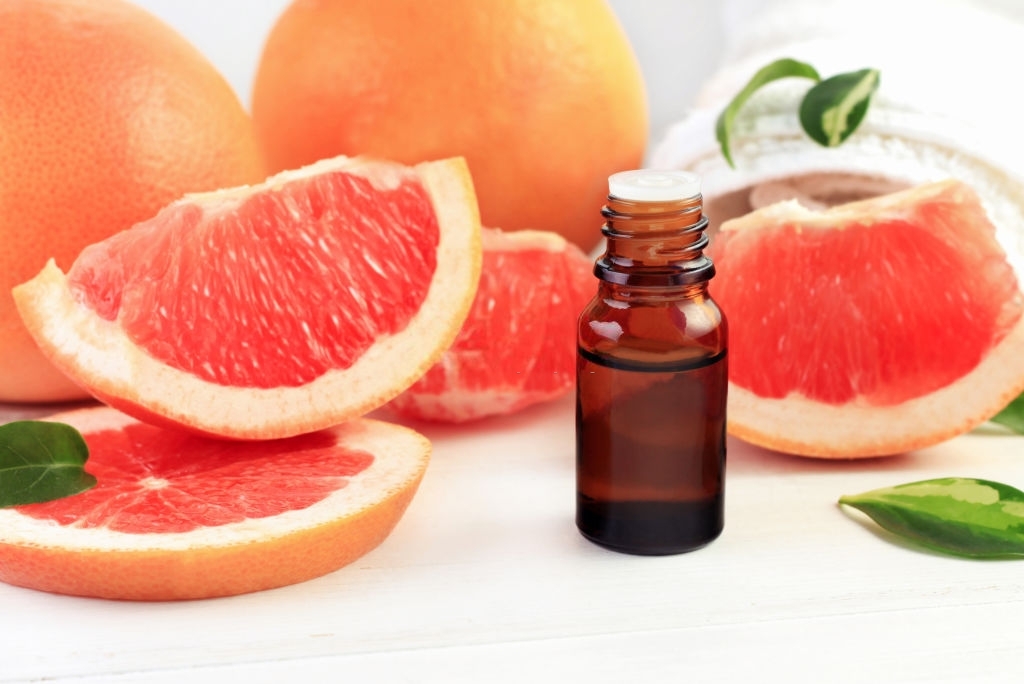
Grapefruit, a citrus fruit well known for its unique flavour and many applications, occupies a special place in the world of natural remedies. This article takes an in-depth look at the fascinating world of grapefruit, more specifically the essence extracted from its peel, and delves into its rich history and varied uses. Originally from Asia, … Read more
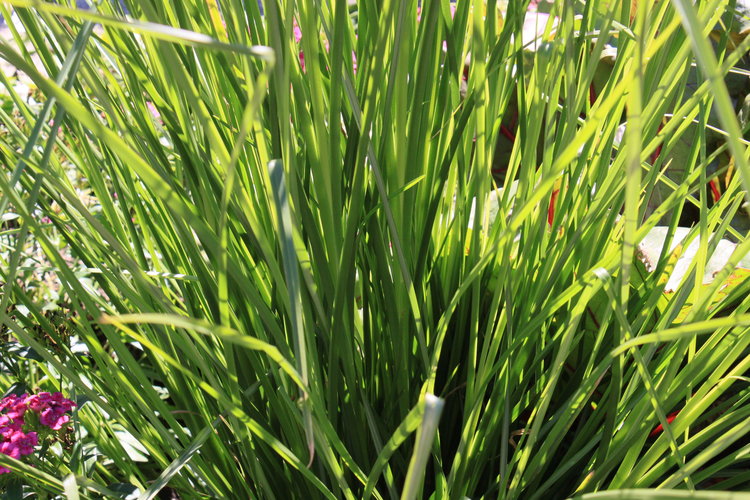
Palmarosa Essential Oil, the Ethnomedicinal Indian Geranium

Palmarosa Essential Oil, the Ethnomedicinal Indian Geranium

Palmarosa has been distilled since the 18th century. It is native to India and is often called Indian geranium , because it contains geraniol , which in particular gives its essential oil a smell more or less close to that of Rosat geranium , or even rose. This plant has been used for a long time in Ayurvedic medicine . In the Caribbean, some people drink … Read more

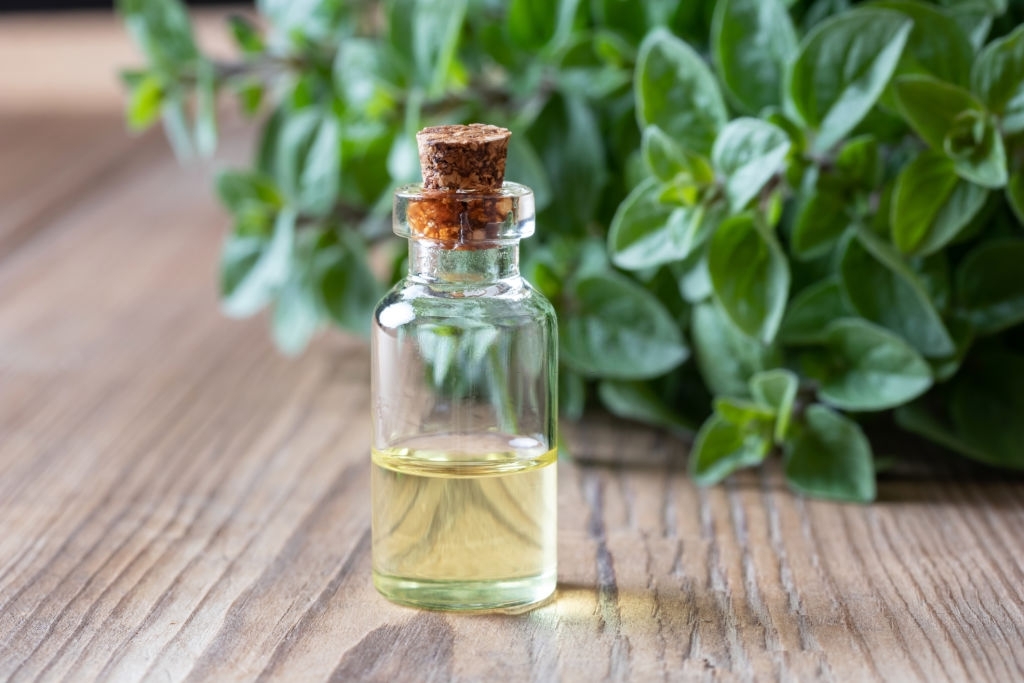
Compact oregano essential oil, an essential sacred plant

Compact oregano essential oil, an essential sacred plant

Originally from the Mediterranean basin and Central Asia, oregano appeared in Antiquity as a product with medicinal properties . A cousin of marjoram , this aromatic plant was considered “sacred” by both Egyptians and Indians. Oregano has been one of the essential herbs for medicine and cooking since ancient times. But beware, very different species are often mistakenly called “oregano”. A little history The … Read more

Essential oil of Niaouli, the essence of Gomen which gave Gomenol

Essential oil of Niaouli, the essence of Gomen which gave Gomenol

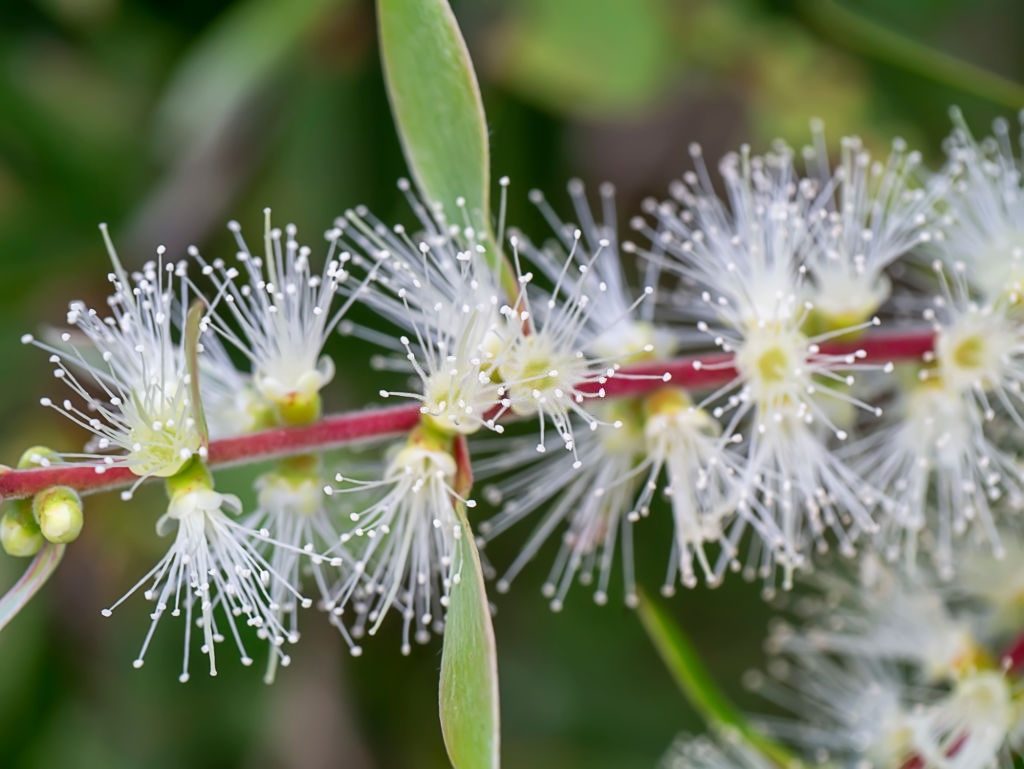
Niaouli, a natural treasure with multiple virtues, is at the heart of our exploration. Botanically known as Melaleuca quinquenervia and belonging to the Myrtaceae family, this remarkable plant is distinguished by its leaves, which are veritable organs of goodness. The rich and fascinating history of Niaouli began long before it appeared in Europe in the … Read more

Neroli essential oil, symbol of purity

Neroli essential oil, symbol of purity

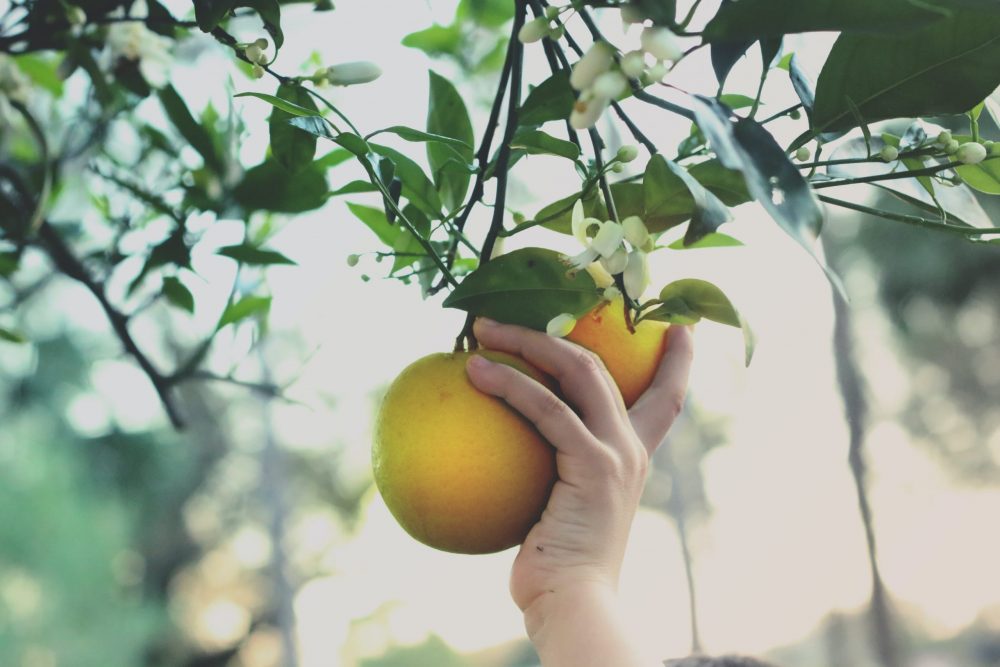
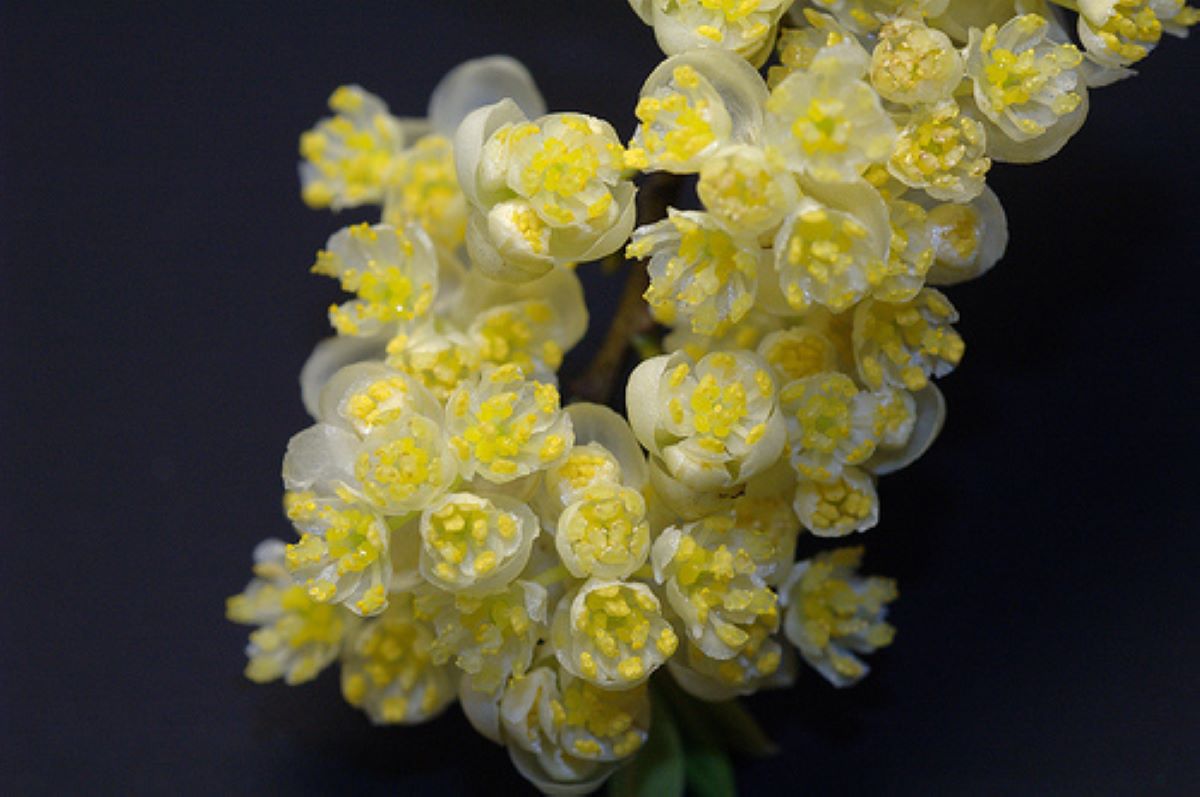
Neroli essential oil is orange blossom essence from a single variety of orange trees; sour orange or bitter orange tree . Originally from India and China, the bitter orange very quickly arrived in the Mediterranean basin 1000 years ago. In Antiquity, the orange blossom was notably a symbol of purity ; it even adorned the crowns of brides. A little history The bitter … Read more

Red myrtle essential oil, prince of fragrant plants

Red myrtle essential oil, prince of fragrant plants

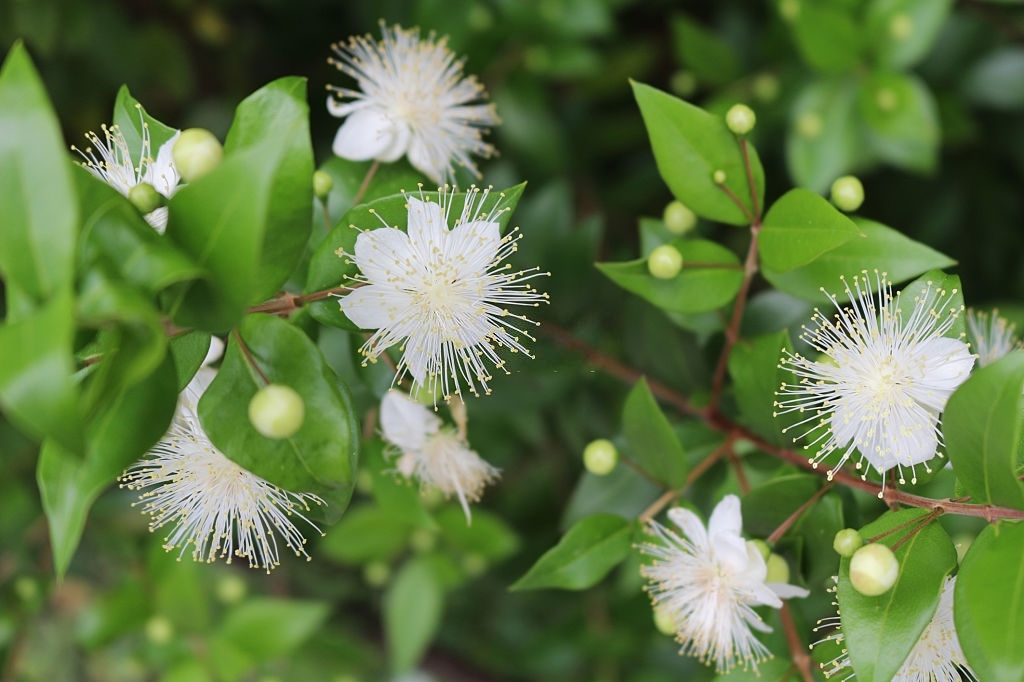
Myrtle, whose botanical name is Myrtus communis L., belongs to the Myrtaceae family. The productive organs are the twigs. Red myrtle (Myrtus communis var. tarentina) is an emblematic Mediterranean plant with exceptional aromatic and therapeutic properties. Among the olfactory and therapeutic treasures on offer in the world of essential oils, red myrtle essential oil occupies … Read more

Bitter Myrrh essential oil, precious and symbolic tears

Bitter Myrrh essential oil, precious and symbolic tears

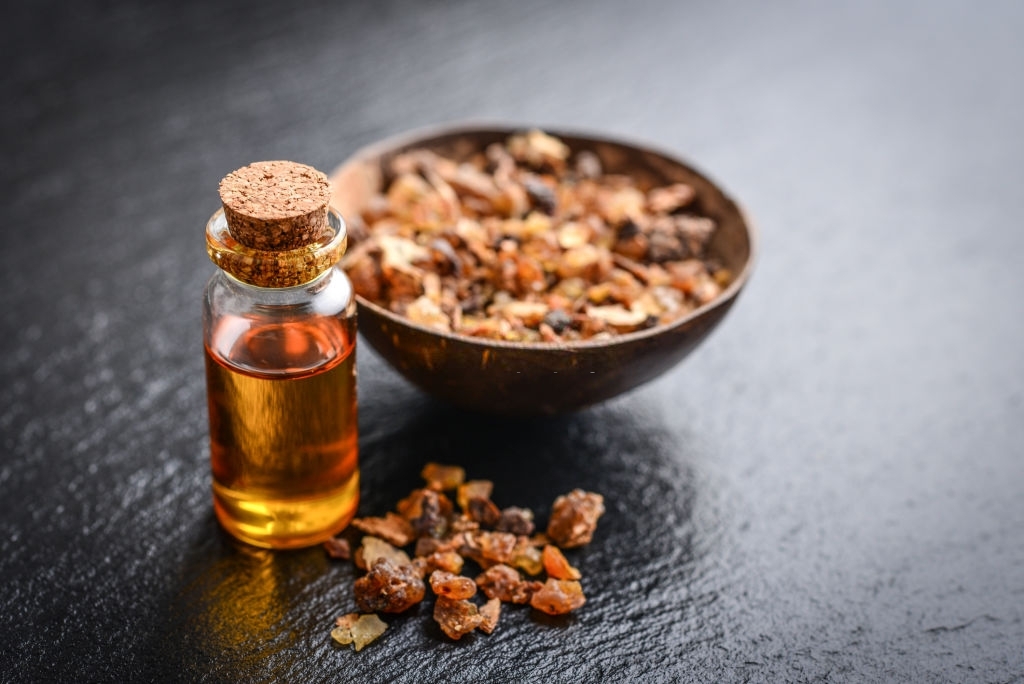
Myrrh, an age-old plant treasure, continues to captivate the world with its unique properties and fascinating history. This article explores the many facets of this precious resin, from its botanical extraction to its ancient and modern uses. Extracted from the Commiphora myrrha tree, a member of the Burseraceae family, myrrh is obtained from the gum-resin … Read more

Peppermint essential oil, complex botanical hybrid

Peppermint essential oil, complex botanical hybrid

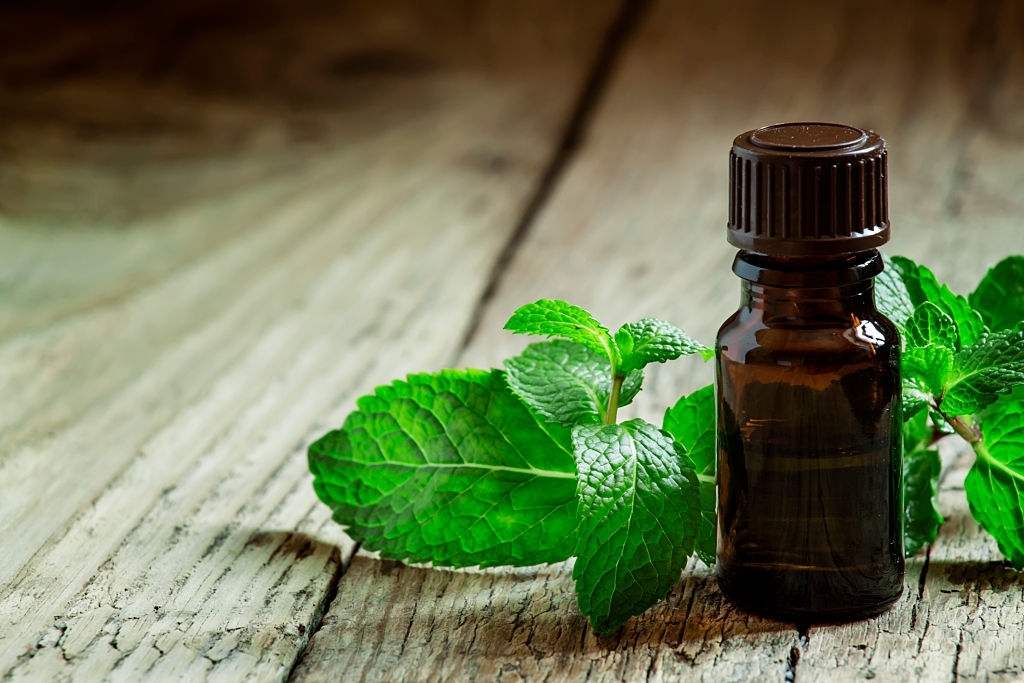
Illustrious since antiquity, peppermint was first described in England in 1696 and subsequently cultivated in Germany and then in the Netherlands around 1750. Traces of its cultivation date back nearly 4,000 years . In Edfu, Egypt, hieroglyphs found on the walls of a temple indeed allow us to consider that the Egyptians used mint to make a number … Read more

Marjoram essential oil, created by Venus, dedicated to Osiris

Marjoram essential oil

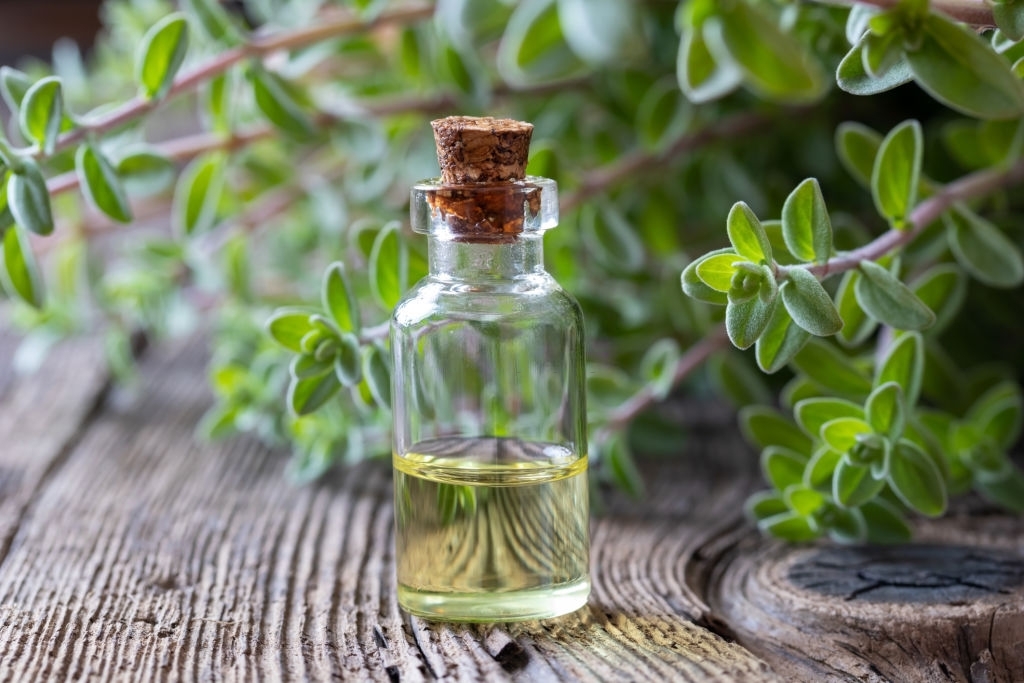
About 3000 years ago, in the ancient Egypt of the pharaohs, the marjoram was dedicated to the god Osiris . Renowned then as a digestive antiseptic , it was also renowned for its action in colds. Dioscorides also recognized in it properties against headaches . This plant is native to Cyprus and Turkey and is otherwise known as garden marjoram, spreading throughout the Mediterranean basin. Cultivated … Read more

Mandarin essence, symbol of good fortune and abundance

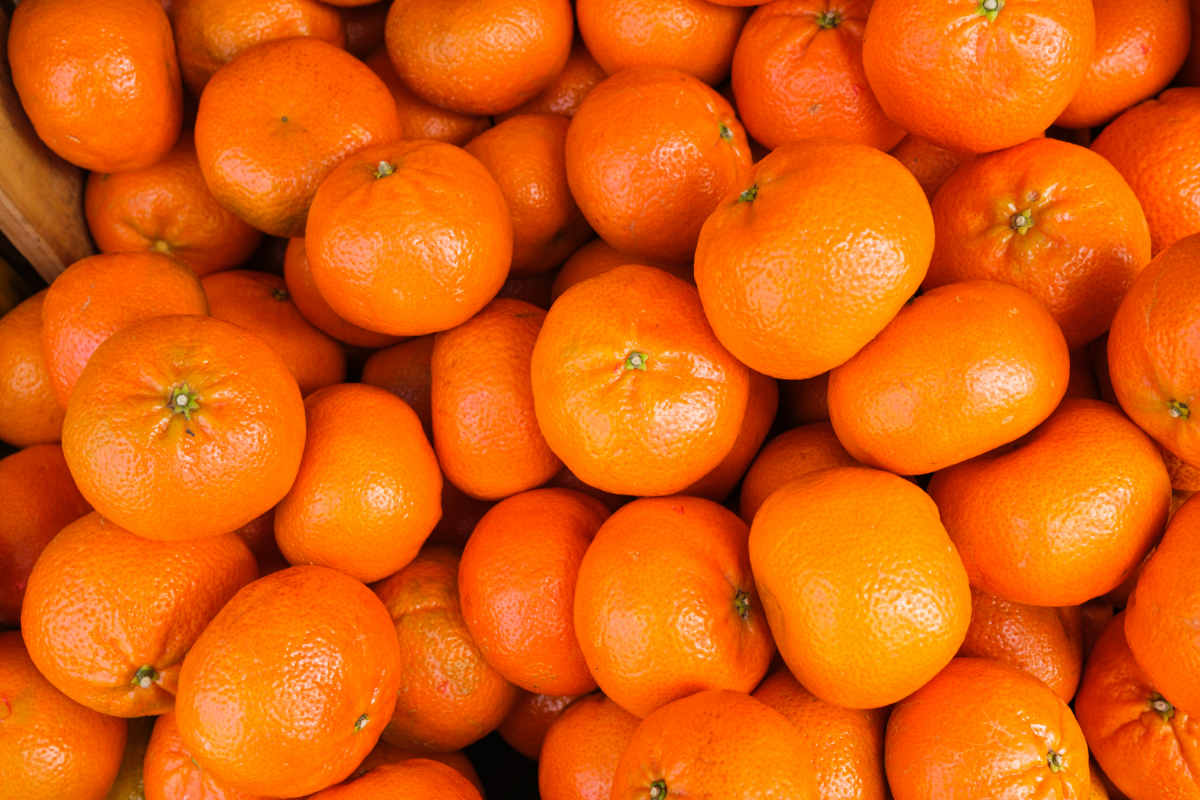
The fruit of the mandarin tree is generally highly prized, especially at Chinese New Year, when it represents abundance and good fortune. Its fragrant peel is particularly appreciated in cooking, adding a delectable aroma to savoury dishes.In traditional medicine, the dried peel is generally used to regulate vitality, stimulate digestion, relieve abdominal cramps and reduce … Read more

Lemon Litsea essential oil, the lucky charm with white flowers

oil of lemon bedsheets

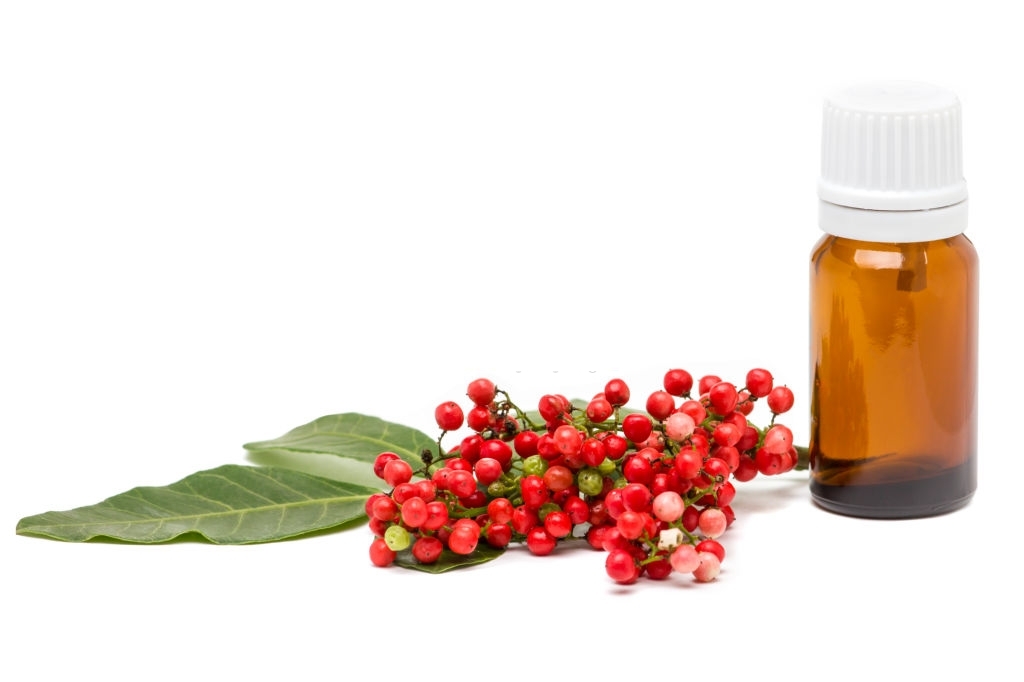
The leaves of the lemon bedew are simple, lanceolate and have numerous milky-white flowers arranged in panicles, forming the design of a lucky charm. This tropical shrub has small fruits that look almost like pepper berries. That’s why it’s known as “mountain pepper”. Litsea citrata, also known as exotic verbena, is widely used in perfumes … Read more

Lentisque Pistachio essential oil, the ancient masticatory incense

Pistachio Lentisque

Pistachio mastic, botanical name Pistacia lentiscus, belongs to the Anacardiaceae family. Its essential oil is obtained from the leafy branches. Frankincense is a type of resin with a strong odour derived from the sap of the Pistachio Mastic. In ancient times, this natural resin was used as chewing gum. Today, in Iran, it is still … Read more

Lemongrass essential oil, a Malagasy lemongrass

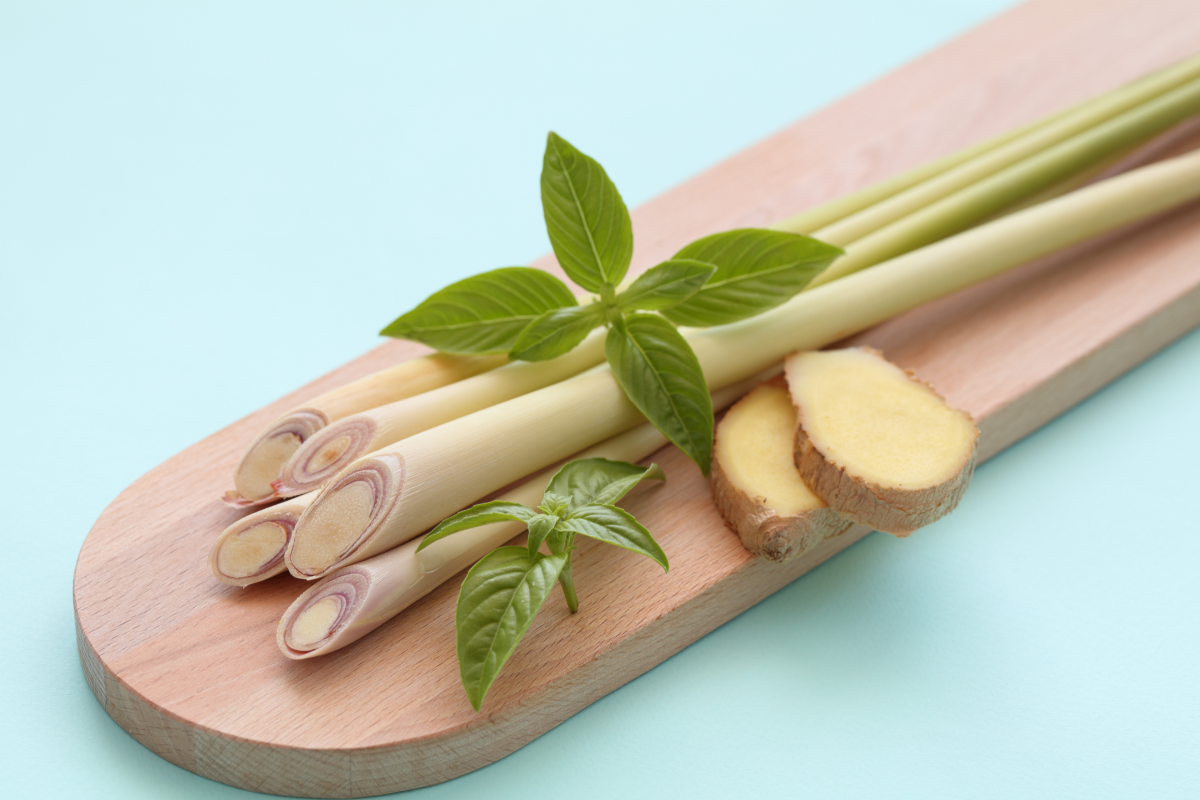
Lemongrass, whose botanical name is Cymbopogon flexuosus, belongs to the Poceae family (Gramineae). Its essential oil-producing organs are its herb (aerial part) and its rhizomes. Its mode of action is based on Geranial or citral a (or trans-citral) and Neral or citral b(cis-citral), which are isomers. They are anti-cancer, sedative and anti-viral. Lemongrass, the emblematic … Read more

Lavandin essential oil, from natural hybridization to prosperity

Lavandin essential oil, from natural hybridization to prosperity

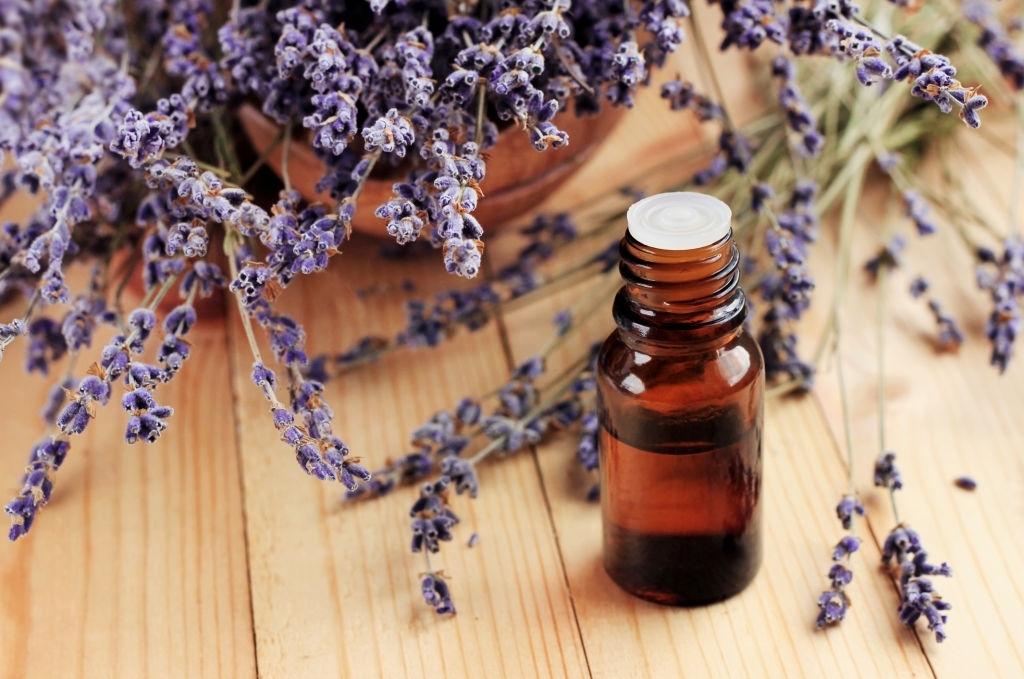
Lavandin is the result of hybridisation (natural at first) between the two species Lavandula vera and Lavandula latifolia, and its aromatic profile is close to that of Lavandula vera (but with 6-8% camphor ). This hybridisation gave rise to four varieties of lavandin in Provence: Super, Grosso, Sumian and Abrial. Nowadays, lavandin is much more … Read more

Lavender aspic essential oil, the antitoxic par excellence

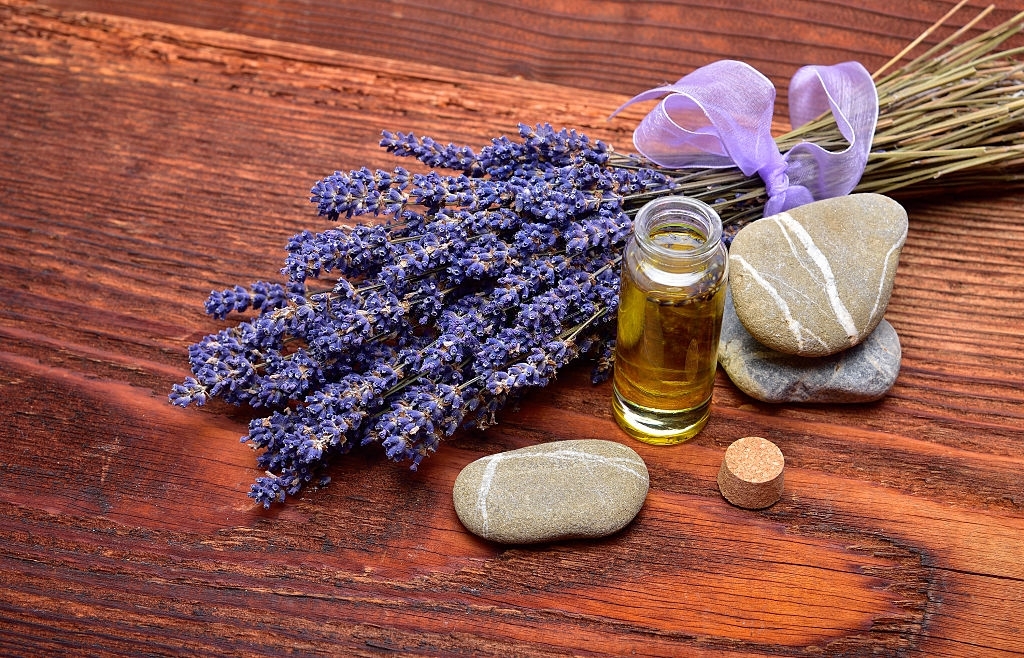
Spike lavender, whose botanical name is Lavandula latifolia spica, belongs to the Lamiaceae family. Its essential oil is obtained by distilling its flowers (flowering tops). Botanical description Spike lavender is a larger sub-shrub than fine lavender, reaching up to 75 cm in height. It is made up of straight, numerous branches, usually branched, bearing long, … Read more

Essential oil of Laurel Noble, Hermès plant

properties of noble laurel essential oil

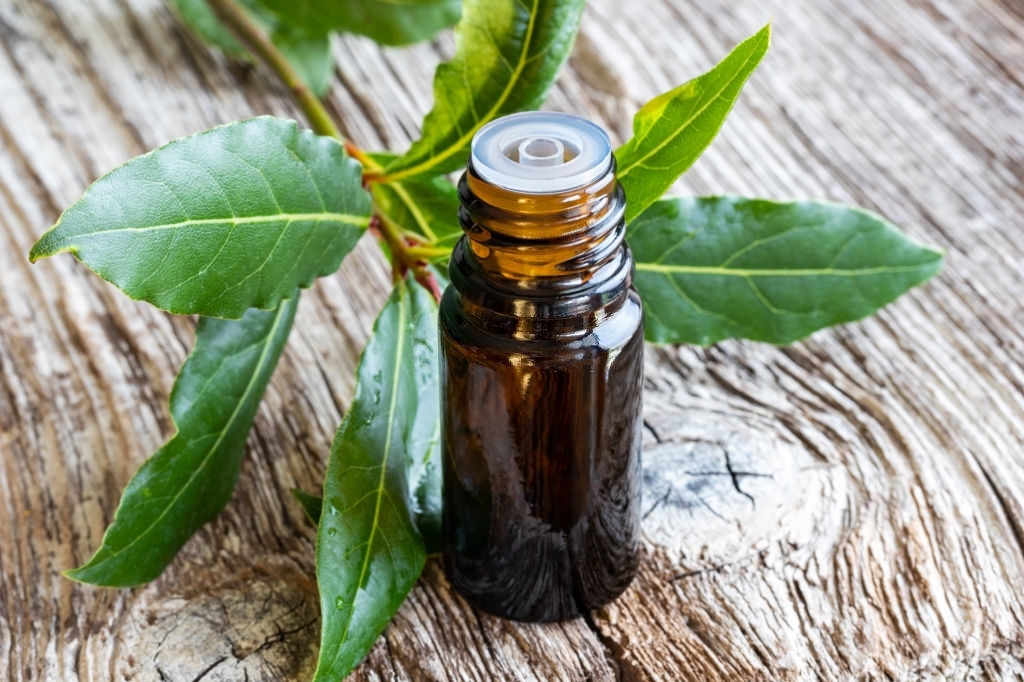
The noble laurel, whose botanical name is Laurus nobilis, belongs to the Lauraceae family. Its essential oil is produced from its leaves (young leaves) and fruiting branches. History of Noble Laurel This tree has been venerated since ancient times by the Greeks and Romans. They adorned their emperor’s head with a laurel wreath. Dedicated to … Read more

Ginger essential oil, a must in Chinese medicine

Ginger essential oil, a must in Chinese medicine

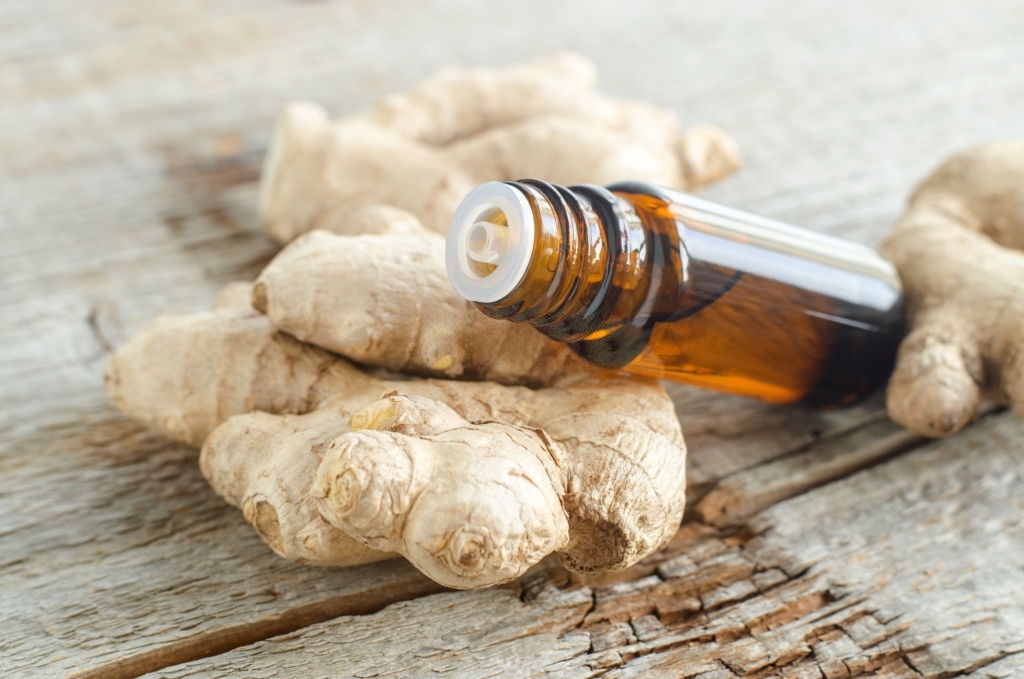
Ginger is one of the most esteemed spices and drugs, and cultivated since ancient times in the Philippines. Its use is already mentioned in the oldest Chinese and Sanskrit writings . It was not lost on the ancient Greeks and Romans. The botanical name Zingiber comes from the Sanskrit word shringavera , which means “shaped like a deer antler”, referring to the shape of the … Read more

Clove essential oil, the anti-bacterial biofilm

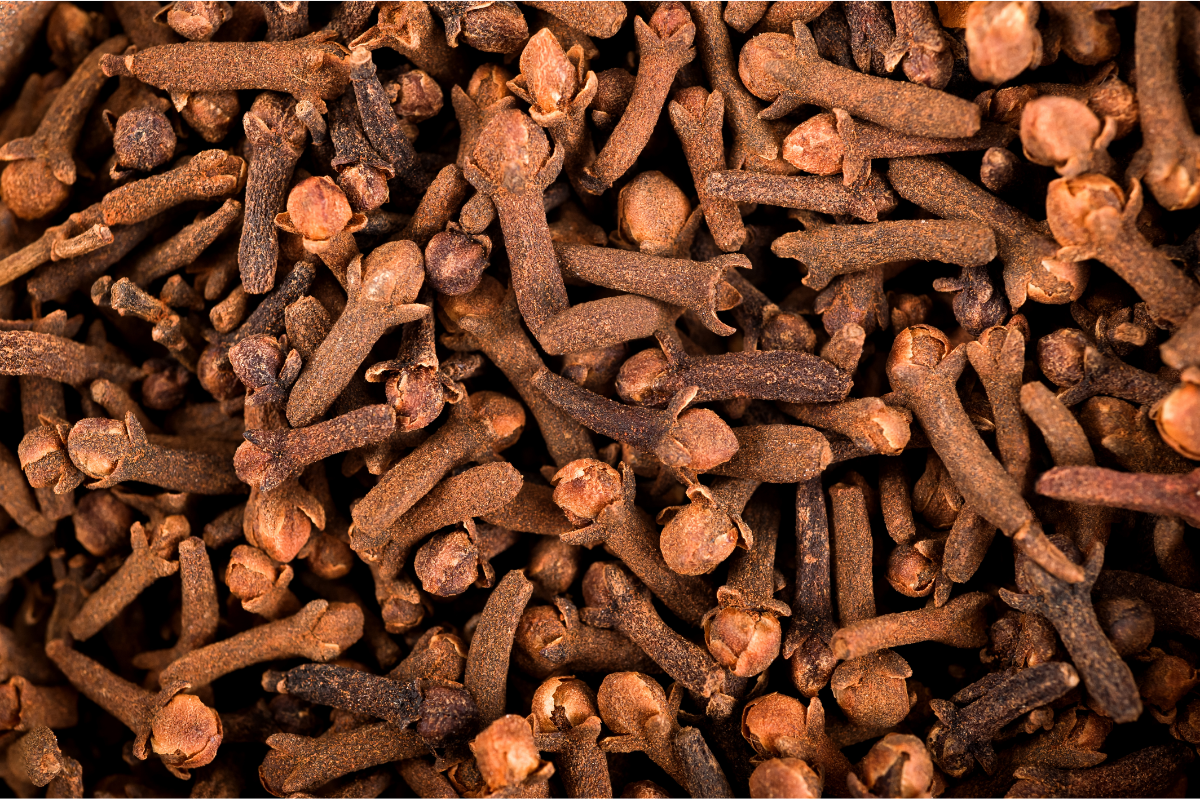
The clove tree, whose botanical name is Eugenia caryophyllus, belongs to the Myrtaceae family. Its essential oil is obtained by distilling the air-dried flower buds known as “cloves”, and the pedicels known as “claws”. History of Clove Grown for a long time on the Moluccan islands, the clove tree is part of Ayurvedic medicine (1500 … Read more

Rose Geranium essential oil, symbol of immortality

Geranium, whose botanical name is Pelargonium graveolens, belongs to the Geraniaceae family. Its essential oil is obtained by distilling its leaves. History of the Geranium The rose Geranium is an aromatic perennial bushy plant with a branched habit. Its name comes from the Greek “perlagos” meaning “stork”, as its fruit is reminiscent of a stork’s … Read more

Common Juniper essential oil, a prehistoric panacea

pharmacological properties of juniper berry essential oil 

Juniper, whose botanical name is Juniperus communis L., belongs to the Cupressaceae family. The essential oil comes from the fruiting cones or “Juniper berries”. Juniper essential oil, from a tree with a rich history, has been considered a panacea for centuries. Its origins date back to prehistoric times, when its properties were already recognised and … Read more