What is the low FODMAP diet?

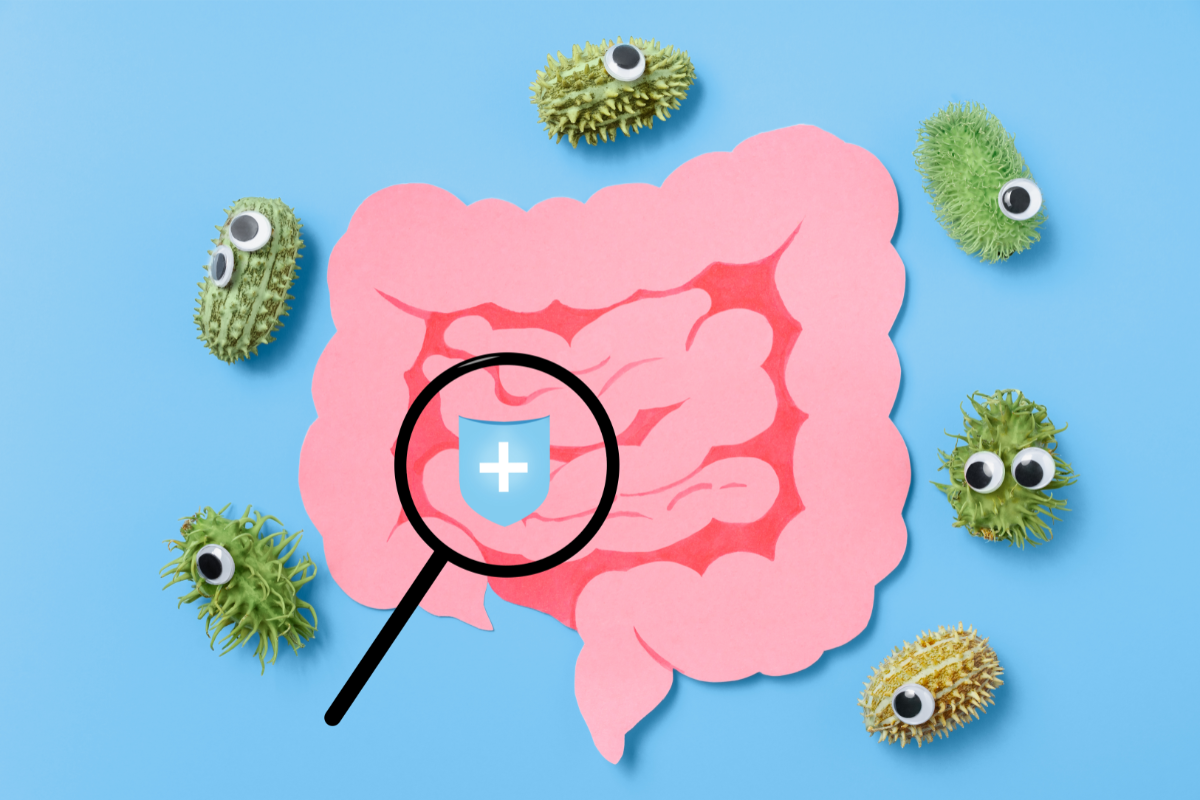
The low-FODMAP diet is a nutritional method designed to reduce the symptoms of IBS by limiting foods rich in fermentable sugars known as FODMAPs (fermentable oligo-, di-, monosaccharides and polyols). This type of diet is generally supervised by health professionals. The aim is to avoid foods such as nuts, pulses, dairy products, gluten-containing cereals, certain … Read more

How to enjoy a balanced festive meal without depriving yourself?

A balanced festive meal combines pleasure, tradition and respect for our biological clock. With a few simple gestures, you can enjoy a delicious meal without putting a strain on your digestion or blood sugar levels. Why is it important to plan ahead for a balanced festive meal? Anticipating your meal allows you to avoid overeating … Read more

What can we replace almonds with? Focus on Tiger Nuts

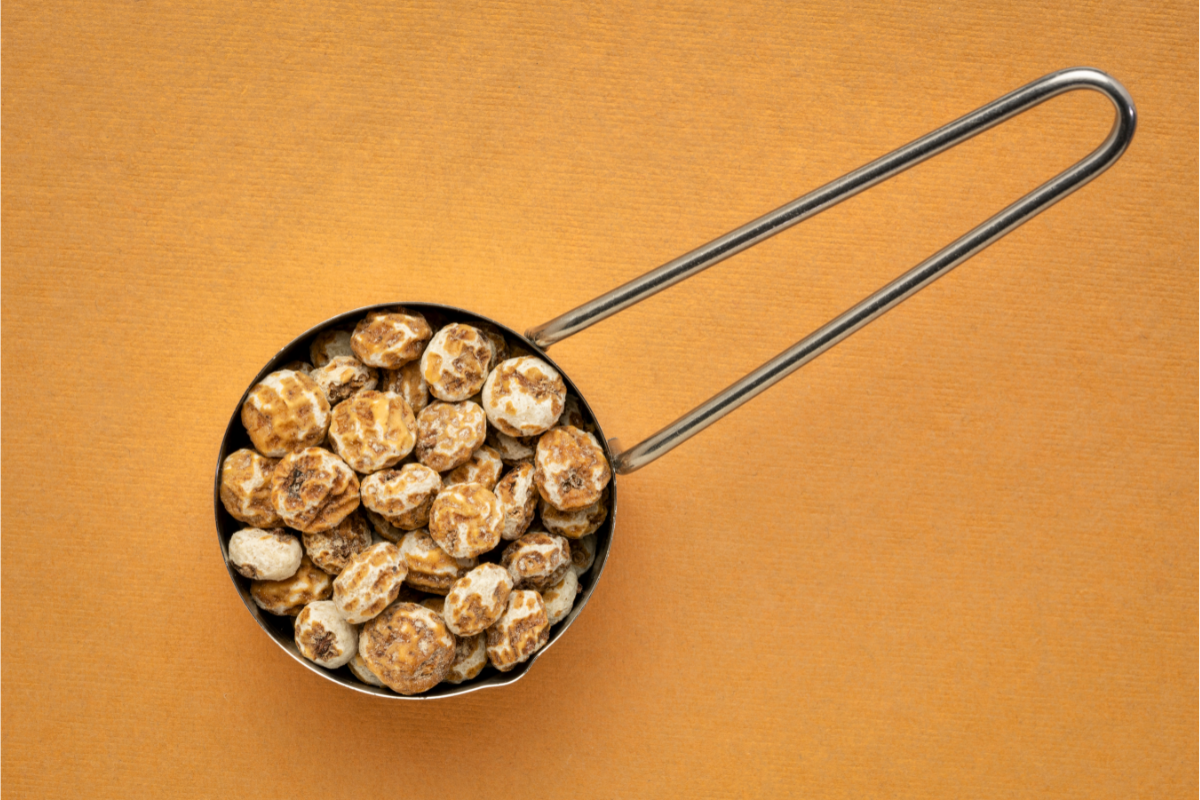
Nuts are tasty, but if your child has a nut allergy, they should be completely excluded from the diet. However, there is a food with a sweet almond taste that can be used as an alternative: Tiger nuts. Although it is called the tiger nut, it is not a nut, but rather a tuber! A … Read more

What are berries and seeds used for?

Nature is full of edible and tasty foods. It allows us to turn to a diet 100% organic. We all look for well-being by paying attention to what we eat and what is good for our health. We are not immune to diabetes and cardiovascular disease hypertension cardiovascular disease and overweight. With this in mind, … Read more

Are plant-based drinks healthy?

Plant-based drinks are an excellent alternative to dairy products for people with intolerance. These days, we are spoilt for choice when it comes to choosing a plant-based drink to accompany our bowl of cereal: rice, hemp, coconut, soya or even oats will soon have replaced cow’s milk on the breakfast table! What is lactose intolerance? … Read more

Is soy protein good for my body?

All soy products, such as tempeh, tofu or soy-based vegetable drinks, are very rich in plant protein. Soy protein is also available in powder form. It can be used to supplement a sports training it can also be used to make up for any protein deficiencies. Many people do not consume enough protein on a … Read more

Rework your summer diet

Summer is just around the corner. Clothes, environment, climate… Everything changes after the long months spent fighting the cold. And our diet is also affected by this upheaval. In order to change from a rich diet to a lighter, more “measured” diet, a transition is necessary. Our body can then gradually get used to this … Read more

Original recipes with Écoidées brand products

We love good food, and we love introducing our guests to new flavours and, above all, originality! Whether we’re talking about ordinary or exoticrecipes, we use our art of cooking to impress our friends and family with creative , yet responsiblerecipes. That’s exactly the spirit in which the Écoidées brand transports us into its world … Read more

What are the health benefits of seaweed?

Algae are plants of natural, aquatic origin. There are several types, including green, brown and red. Also known as thallophytes, these are specimens made up entirely of thallus. They have no roots, stems or leaves, just a vegetative apparatus. Since they first appeared over a billion years ago, they have continued to develop. There are … Read more

The month without alcohol

New year rhymes with good resolutions, the time dreamed to redo and reinvent yourself. This change of schedule marks a new beginning for all. Eat healthier, exercise more, or even start weaning , everyone sets their goals to change their life. In this aim of good resolutions, January is put under the sign of the month without alcohol . This challenge called “ Dry … Read more

Omega 3 / Omega 6: a question of balance

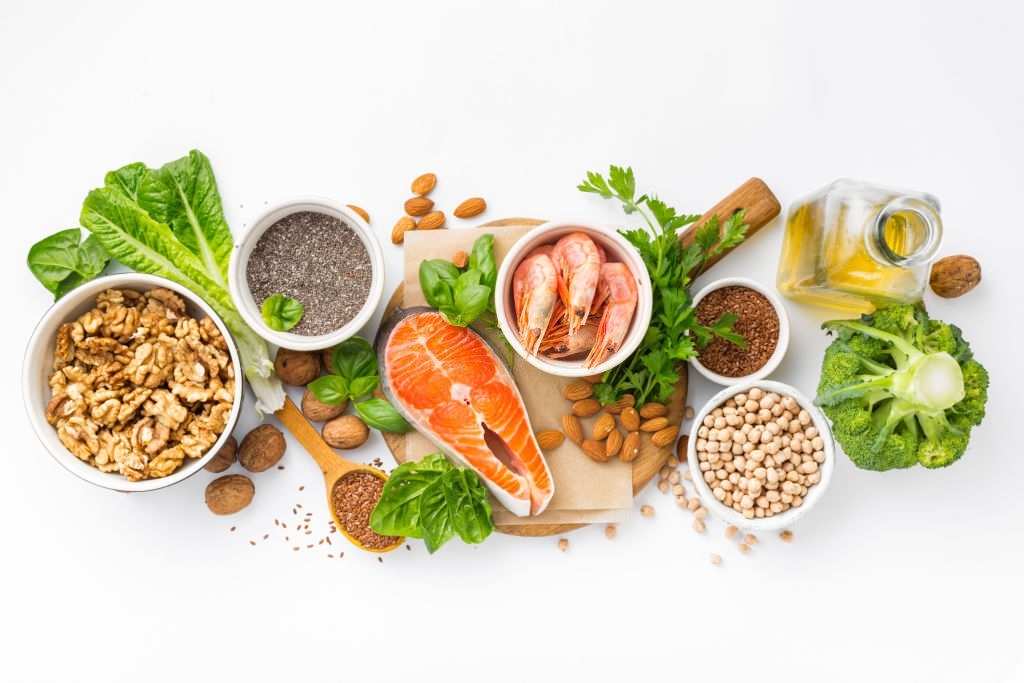
Omega 6 (linoleic acid) and omega 3 (alpha-linolenic acid) polyunsaturated fatty acids are essential because our bodies cannot synthesise them. Omega 6 is found in certain vegetable oils, meat, fish, eggs, butter and cheese, while omega 3 is found in certain vegetable oils, oily fish, chia seeds, flax seeds and purslane. Omega 6 promotes inflammation … Read more

The medical protein diet protocol

The high-protein diet, also known as the Medical Protein Diet, is what you might call stage 0 of the high-protein diet. Weight loss is very rapid (generally -2 to -2.5 kilos / week), with no hunger or tiredness. During this diet period, you consume only high-protein sachets, authorised vegetables, water and a vitamin supplement. This … Read more

Recommended nutritional needs and intakes

Needs vary from one individual to another. Nutrients are used by the body to produce energy, make the basic building blocks of our cells and maintain chemical balances in the body. Gender, age, body type, genetic makeup and physical activity create different needs for each individual. The requirements for a given nutrient or energy are … Read more

Guide to food rebalancing, zoom on chrono-nutrition

Chrono-nutrition is based on the principle of consuming the right foods at the right time, according to the body’s needs. Adopting a balanced diet means providing our body with what it needs at the right moment. The principle is simple: all foods are allowed; however, it is essential to learn to consume them in accordance … Read more

Food rebalancing, focus on Proteins

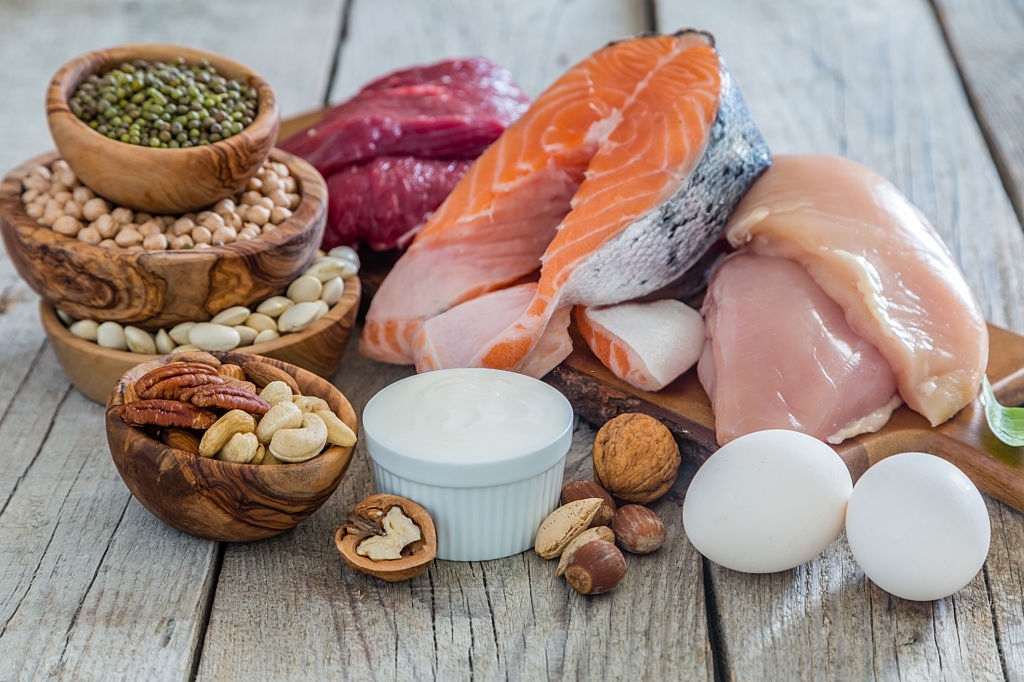
Proteins are essential for the manufacture of tissues such as bones and muscles, for cell renewal, for the proper functioning of organs, as well as for the synthesis of enzymes and hormones. They are digested in the stomach, which is an acidic environment. They are found in meats, dairy products, fish, sprouted seeds, eggs, oilseeds … Read more

Food rebalancing, zoom on Lipids

Lipids are fats made up of carbon, hydrogen and oxygen atoms and provide the form of energy most easily stored by the body. Lipids are essential for the proper functioning of our cells and the nervous system. Focus on the lipid categories: Saturated Fatty Acids (SFA), known as “bad fats”: These are mainly animal fats … Read more

Food rebalancing, focus on Carbohydrates

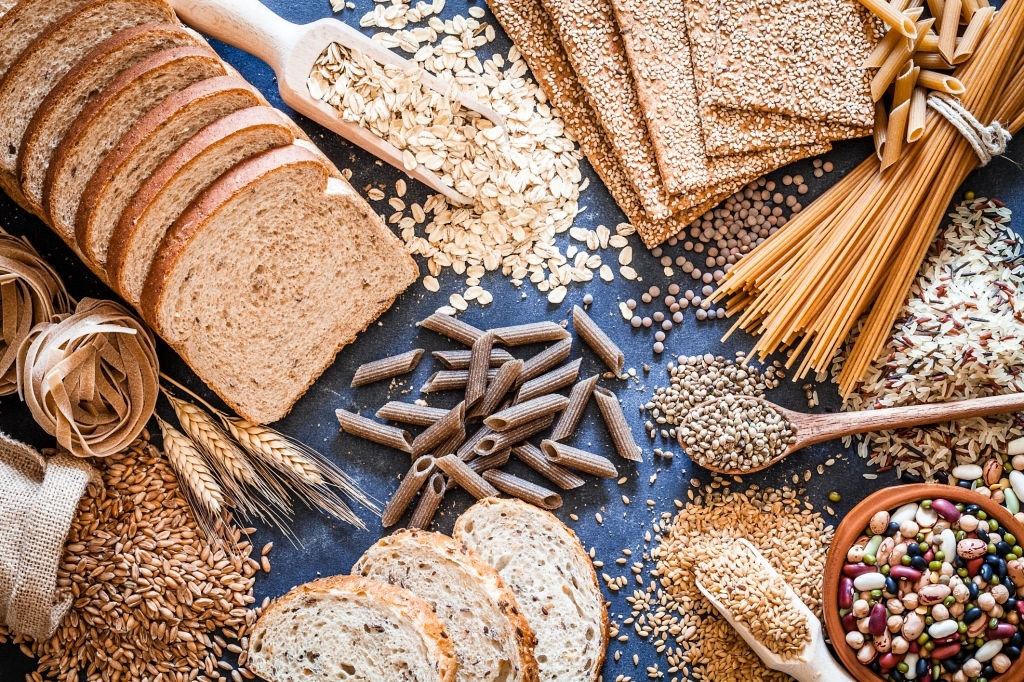
Formerly called “carbohydrates”, carbohydrates are a category of nutrients that include simple sugars and complex sugars. These sugars are partially digested in the mouth, subject to good chewing, before reaching the small intestine. From Carbs to Glucose: To be usable by the body, carbohydrates are converted into glucose during digestion. The glucose then passes through … Read more