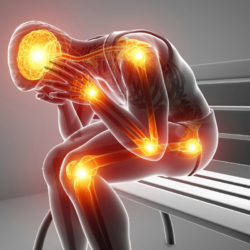

When we suffer from osteoarthritis, we immediately think of medical treatments, massages or spa treatments. However, one of the most powerful ways to regain mobility lies right on our plates. Indeed, the link between osteoarthritis and diet is now widely recognised by specialists. Lifestyle and nutrition play a decisive role in the progression of cartilage wear and the intensity of painful flare-ups. By making a few changes to your daily habits, it is possible to reduce the body’s overall inflammatory response. Discover how to adapt your lifestyle and shopping basket to protect your body.
What diet should you follow if you have osteoarthritis and painful joints?
To understand the impact of nutrition, we can compare the structure of our cartilage to that of a mattress, where the springs provide strength, compressibility and elasticity. In its natural state, the renewal of this tissue is extremely slow (it takes several hundred days). Adopting a targeted diet can help relieve the symptoms of osteoarthritis and joint pain by reducing inflammation.
Combating excess weight: reducing mechanical stress
Every extra kilo places disproportionate pressure on weight-bearing joints (knees, hips and spine). Losing weight is therefore the first therapeutic step to mechanically reduce pain and slow down cartilage breakdown.
Focus on antioxidants and healthy fats
To limit the effects of cellular ageing, your diet should prioritise protective molecules:
- Antioxidants: Eat plenty of colourful fruit and vegetables, pulses (lentils, peas, white beans) and whole grains.
- Omega-3s: These fatty acids possess powerful natural analgesic and anti-inflammatory properties. Opt for oily fish (salmon, mackerel, sardines), olive oil for cooking (avoid cooking with butter), as well as hazelnut or linseed oils. Targeted supplementation (such as linseed oil or complexes like CardioConfort®) can be very beneficial as a course of treatment.
Extra tip: To find out how best to combine your diet with specific micronutrients, check out our comprehensive guide to nutritional therapy and dietary supplements for osteoarthritis.
Limit foods that acidify the blood
Conversely, certain foods act as fuel for pain. This is the case with dairy products and an excess of animal proteins. Rich in omega-6, they tend to acidify the blood, which increases nerve sensitivity and directly exacerbates flare-ups. Without cutting them out entirely, reduce your intake in favour of plant-based foods.
What physical activity should you do if you have osteoarthritis and stiff joints?
Diet isn’t everything: an overall healthy lifestyle is the second pillar of your pain-management strategy. Cartilage has no blood vessels; it is nourished exclusively by imbibition, like a sponge, thanks to the body’s movements. By combining gentle exercise with healthy habits, you can effectively manage osteoarthritis and the affected joint.
“Move, yes; overdo it, no”
Inactivity is the enemy of cartilage. Regular physical activity maintains muscle and tendon tone, which stabilises the affected area and promotes the delivery of nutrients to the tissues.
- Good choices: Go cycling, swimming or walking (at least 30 minutes every other day) on even ground.
- Avoid: High-impact sports or those involving repeated impacts, such as jogging on tarmac or tennis.
Important note: In the event of an acute flare-up, rest the limb completely. As soon as the flare-up subsides, resume activity, even if mild pain persists.
Quit smoking to protect your cartilage
We know this about the lungs, but it’s less well known for cartilage: smoking accelerates wear and tear. Carbon monoxide from cigarette smoke reduces tissue oxygenation, whilst the components of tobacco cause significant oxidative stress that inhibits the proliferation of cartilage cells (chondrocytes).
Adopting good posture and protecting the body
In daily life, small adjustments can relieve pressure:
- Change position frequently: Avoid sitting or standing for long periods (especially during long car journeys) and do not kneel.
- Cushion impacts: Wear flexible, comfortable shoes with thick, shock-absorbing soles or use silicone heel pads. Opt for wide, low heels (beveled at the back) to facilitate a smooth stride.
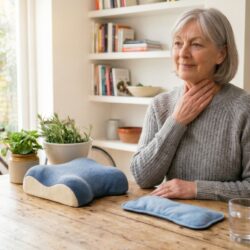
- Keep warm: Cold and damp weather can trigger stiffness. Wear warm clothing, preferably woollen, or use heat therapy accessories (belts, knee braces or heat packs) to relax the muscles around the joints.
Targeted pain? Postural advice varies depending on the joint affected. Find our specific recommendations for relieving osteoarthritis of the knee, back or neck.
Diet and lifestyle are powerful weapons against osteoarthritis. By combining a diet rich in antioxidants and omega-3s, cutting down on acid-forming foods, giving up smoking and taking part in gentle, regular physical activity, you’re giving your joints the best possible conditions to slow down cartilage wear. These changes require a bit of discipline at first, but the benefits in terms of pain relief and flexibility can be felt within the first few weeks. Look after your body, move gently, and give your movements back the freedom they deserve!
Sources:
- HAL Open Science thesis: Study on the inhibition of cartilage cell proliferation by smoking and oxidative stress.
- Science Direct: Clinical data on nutritional and acid-base management of chronic inflammatory rheumatism.
- Montpellier University Hospital: Living better with my osteoarthritis.
FAQ – Osteoarthritis and joints: your frequently asked questions
What can I use instead of butter and dairy products to protect my joints?
When cooking, always replace butter with olive oil or argan oil, which are heat-resistant and contain healthy fatty acids. To replace dairy products (which acidify the body), opt for plant-based drinks (almond, oat, rice) enriched with calcium and include more green vegetables and dried fruit, which are excellent sources of absorbable minerals.
Why is tobacco particularly harmful to cartilage?
Tobacco acts as a cellular poison for your joints. On the one hand, the inhaled toxins cause oxidative stress, which destroys the collagen matrix. On the other hand, carbon monoxide enters the bloodstream and reduces the supply of nutrients and oxygen needed by chondrocytes to repair cartilage on a daily basis.
How can you apply the ‘move yes, overdo it no’ rule in daily life?
This means keeping the joint moving without ever pushing it to the point of sharp pain. For example, opt for a gentle 30-minute walk on flat ground rather than a 2-hour hike in the mountains with steep gradients. Movement should be fluid and steady (like pedalling on an exercise bike) to lubricate the joint without putting too much strain on it.
What type of shoes should I choose if I have osteoarthritis of the knee or hip?
Opt for flexible, wide shoes with laces (ideally elastic ones) to support the foot properly without compressing it. The soles should be thick and cushioned. You should absolutely avoid high, thin heels, which alter your posture and increase pressure on the knees. Adding an arch support insole or a silicone heel pad is strongly recommended.