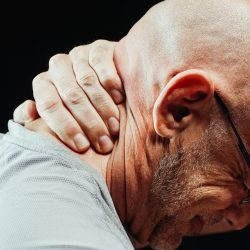

Stiff or painful joints often make people want to stay still, but regular, suitable physical activity is one of the simplest ways to help preserve mobility. This article explains which activities are usually suggested, how to start gently and when to ask a medical opinion.
Why does physical activity still help stiff joints?
When a joint is stiff or painful, the natural reflex is often to spare it. However, staying still for long periods can increase stiffness. Regular physical activity adapted to your situation is generally recommended by health professionals, because it helps maintain mobility and supports the muscles around the joint.
The goal is not to exercise excessively. It is to find an activity that suits you, at your own pace, and to practise it regularly.
Which physical activity should you choose when joints are painful?
Several types of physical activity are often suggested to people who experience joint pain.
- Walking, at your own pace, on flat and comfortable ground. It can be split into several short outings during the day.
- Swimming or water aerobics. Water supports the body, which reduces the load on the joints.
- Cycling, on an adapted bike or indoors, which works the legs with little impact.
- Yoga or tai chi, which work on balance, flexibility and breathing.
- Muscle strengthening, with simple bodyweight movements or light resistance bands, ideally guided by a professional.
Walking outdoors makes it easy to build physical activity into your daily routine and enjoy the seasonal scenery. To support this approach, discover our selection of products for muscles and joints.
How can you start physical activity gently?
Begin with short sessions, for example five to ten minutes, and gradually increase the duration or intensity. Do a light warm-up before exercising with a few slow movements, then cool down afterwards.
Allow a rest day between two strengthening sessions so your muscles have time to recover. If you are hardly moving at the moment, even a few minutes a day already makes a difference.
How can you tell whether your physical activity suits your joints?
Slight discomfort during exercise can be normal, especially at the beginning. However, sharp pain, swelling, warmth or redness around a joint are signs not to ignore. In that case, stop the activity and talk to your doctor.
If the pain is at the same level the next day, the effort may have been too much. Slow down, then resume gradually.
A walk can also become a moment of relaxation and well-being.
When should you ask for medical advice before starting physical activity?
See your doctor before starting an activity if you have other health problems, if a joint is swollen or very painful, or if the discomfort has lasted for several weeks.
A physiotherapist can then suggest an exercise programme adapted to your situation. Your pharmacist can also refer you to a professional.
Frequently asked questions about physical activity and joints
Can physical activity reduce joint stiffness?
Gentle, regular physical activity is generally recommended to maintain mobility and limit stiffness. Effects vary from person to person, and a health professional can adapt the advice to your situation.
How long should you walk when your joints hurt?
There is no single duration. Start with five to ten minutes, then increase gradually according to how you feel.
Should you stop physical activity if your joints hurt?
Slight discomfort can be normal during exercise, but sharp pain, swelling or warmth are signs not to ignore. Stop the activity and consult your doctor if it persists.
Is swimming suitable for painful joints?
Water supports the body and reduces the load on the joints, which is why swimming or water aerobics is often suggested. Ask a professional to help you choose the activity that suits your situation.
When should you consult for stiff joints?
See your doctor if pain lasts several days, if a joint swells, becomes warm or red, or if the discomfort has lasted for several weeks.
Moving remains one of the simplest ways to preserve the mobility of your joints. Choose an activity you enjoy, start gently, listen to your body and seek professional advice if in doubt.
For further reading, see our articles: What causes joint pain?, Natural remedies for pain relief and Soothe the pain of stiff neck in a natural way.
This information is provided for educational purposes and does not replace the advice of a health professional.