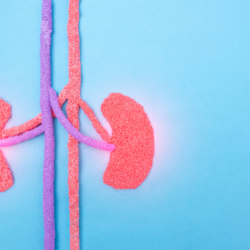

Understanding how a simple urinary discomfort can develop into a severe kidney infection is essential for effective management. Pyelonephritis is not inevitable, but the result of a specific biological process that needs to be stopped quickly.
What type of pyelonephritis causes bacteria to travel up to the kidneys?
The pathophysiology of this infection is based on a specific route taken by the pathogens. Urologists therefore distinguish between two main modes of infection that explain how the bacteria reach the renal system:
- The ascending (or urogenic) route: This is the most common scenario (75 to 90% of cases). Bacteria, mainly Escherichia coli, initially present in the urethra, travel up into the bladder (causing cystitis). If the infection is not stopped, they then continue their progression along the ureter to reach the renal pelvis and kidney tissue.
- The haematogenous route: Much rarer, this form of pyelonephritis causes a kidney infection via the bloodstream. The bacteria travel through the blood from an infectious focus located elsewhere in the body and attach themselves to the kidneys.
Which type of pyelonephritis poses an increased risk for certain patients?
Anyone can develop an infection, but certain physiological or anatomical conditions promote the stagnation and proliferation of bacteria:
- Pregnancy: Hormonal changes and pressure from the uterus on the urinary tract slow down the flow of urine. This stasis is a common cause of pyelonephritis in pregnant women.
- Malformations and obstructions: Any anatomical abnormality or physical obstruction, such as a kidney stone or a prostate adenoma in men, prevents the bladder from emptying completely.
- Chronic diseases: Diabetes or immunosuppression (AIDS, intensive treatments) weaken the host’s natural defences against E. coli.
Which cases of pyelonephritis require a thorough medical diagnosis?
To confirm the infection and identify the bacterial strain, the doctor follows a rigorous three-step diagnostic protocol:
- Urine dipstick test: This rapid test detects the presence of leukocytes (white blood cells) and nitrites. A positive result confirms inflammation.
- Urine culture and sensitivity test (ECBU): This is the gold standard test. It allows the pathogen (E. coli, etc.) to be precisely identified and the bacterial concentration per millilitre of urine to be counted.
- Antibiogram: A crucial step in treatment, this tests the bacteria’s resistance to various antibiotics. This allows the doctor to adjust the initial course of antibiotics to specifically target the cause of pyelonephritis.
What complications can arise from pyelonephritis if left untreated?
Delayed treatment can turn a localised infection into a serious systemic condition:
- Sepsis: The bacteria enter the bloodstream, causing a life-threatening systemic infection.
- Renal abscess: A build-up of pus forms in the kidney tissue, which may require surgery.
- Chronic kidney failure: Prolonged dysuria or an untreated obstruction can gradually destroy the nephrons (the kidney’s filtering units) over the long term.
Find out more on this topic:
- Comprehensive guide to acute pyelonephritis: symptoms and holistic solutions
- Recognising the signs: symptoms of pyelonephritis not to be ignored
Sources
- https://www.urofrance.org/espace-grand-public/
FAQ: Understanding the causes
Does all cystitis lead to pyelonephritis?
No, but untreated cystitis is the main cause ofascending pyelonephritis . It is therefore crucial to treat any urinary burning promptly.
Can stress be an indirect cause?
Chronic stress can weaken the immune system, making the body less able to fight off Escherichia coli bacteria, thereby promoting the development of the infection.