
Medically approved by Arnaud, a Doctor of Pharmacy and owner of the Soin et Nature Pharmacy.
After the age of 40, body shape often changes even if dietary habits remain the same, with weight gain concentrated around the abdomen. The link between cortisol and weight gain is then cited as the sole explanation. The reality is more complex: persistently high cortisol levels do indeed direct fat storage towards the deep abdominal area. However, it operates within a context where sleep, hormonal fluctuations during perimenopause and blood sugar levels play an equally significant role. This article explains what cortisol actually does in relation to abdominal weight gain, what it does not do, and then outlines the evidence-based strategies for managing stress — without any guarantee of results, and as a complement to medical supervision where necessary.
Cortisol and weight gain: why does fat accumulate around the tummy?
Cortisol promotes the storage of deep (visceral) abdominal fat when it remains chronically elevated. This is not a disease, but a sign that the body has been in ‘stress’ mode for too long, which directs fat storage towards the abdomen. Cortisol is a hormone produced by the adrenal glands that is essential for life: it regulates energy, blood sugar levels, blood pressure and the stress response. The problem is not cortisol itself, but its prolonged elevation. When faced with repeated stress (mental strain, lack of sleep, constant connectivity), the hypothalamic-pituitary-adrenal axis remains activated, and the body continues to secrete cortisol. However, this hormone promotes the storage of fat where cells are most susceptible to it: deep within the abdomen, around the organs.
This visceral fat is not just a matter of body shape: it is metabolically active and is associated with an increased risk of cardiovascular and metabolic conditions. It is important , however , to distinguish this stress-related mechanism from another common factor after the age of 40: insulin resistance, which we discuss in detail in our article on a bloated tummy and insulin resistance during the menopause. The two often occur together — hence the importance of identifying which one is the dominant factor in your case.
High cortisol: what are the symptoms and what type of belly is associated with it?
There are no outward signs to indicate whether your cortisol levels are high: only a blood test prescribed by a doctor can measure this, and a single test is not enough to draw a conclusion. However, there are several indicators that can help distinguish a belly where stress and sleep are the dominant factors from digestive bloating or water retention. Unlike bloating, this type of belly does not subside after digestion.
- Centralised fat: fat is concentrated on the tummy and around the waist, whilst the rest of the body remains largely unchanged.
- Persistent fatigue: feeling exhausted upon waking, a ‘slump’ in the afternoon, sometimes followed by a surge of energy in the evening.
- Disturbed sleep: difficulty falling asleep or waking up during the second half of the night.
- Cravings for sweet or fatty foods: cravings for sugar or fatty foods at the end of the day, or during periods of stress.
Taken in isolation, none of these signs is specific. It is their long-term combination that suggests a stress burden requiring attention, not a hormone level that needs correcting. This confusion between a visible symptom and a hormone level lies at the heart of the so-called ‘cortisol detox’ trend. We analyse this in detail in our article on what the cortisol detox is really worth.
These pointers are no substitute for medical advice, but they do help to distinguish between different situations. A bloated stomach after meals is more likely to indicate a digestive disorder; heavy legs and swollen ankles suggest water retention.
In pharmacies, we frequently observe that those affected have first tried a series of restrictive diets — often without lasting results — before realising that the key lies in managing stress and sleep, not just what they eat.
| Belly type | Main cause | Characteristic signs | Further reading |
|---|---|---|---|
| The so-called ‘cortisol’ belly | Chronic stress, poor sleep | Firm, central fat, tiredness, sugar cravings | This article — an overview of ‘cortisol detox’ |
| ‘Insulin’ belly | Insulin resistance, blood sugar levels | Abdominal weight gain, fatigue after meals | Bloated tummy & insulin |
| Bloated tummy | Digestion, gut microbiota | Bloating after meals, wind, varies throughout the day | Natural remedies for bloating |
| Water retention | Circulation, hormones | Heavy legs, swollen ankles, generalised swelling | Water retention |
Does chronic stress really cause a bulging tummy?
Prolonged stress keeps cortisol levels high, which promotes the storage of visceral fat. But it also disrupts appetite and sleep. Cortisol doesn’t act alone, but it creates conditions conducive to abdominal weight gain. In practical terms, high cortisol levels in the evening delay the onset of sleep. However, too little sleep in turn increases hunger hormones as well as cravings for fatty or sugary foods. It’s a vicious circle: stress → poor sleep → cravings → abdominal fat storage → fatigue → stress.
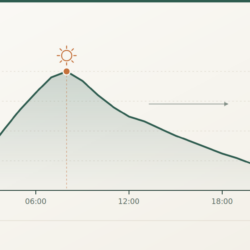
A point of clarification is needed here. As Inserm points out, cortisol secretion follows a normal circadian rhythm, peaking in the morning to help us wake up and then gradually decreasing throughout the day. The same source states that, unless a doctor has diagnosed an endocrine disorder, there is no justification for attempting to ‘regulate’ one’s cortisol levels. What we can usefully address is the stress and sleep patterns that disrupt this rhythm.
After the age of 40, this mechanism is exacerbated by the hormonal changes associated with perimenopause and menopause, which shift fat distribution towards the abdomen. Stress does not, therefore, ‘create’ fat on its own, but it acts as a catalyst in an environment that is already conducive to weight gain. The good news is that this cycle can be reversed by addressing stress, sleep and physical activity simultaneously.
High cortisol levels: what medical treatment is available?
Before attributing weight gain to ‘stress’, a doctor must rule out medical causes: metabolic syndrome, thyroid disorder or, more rarely, a genuine excess of cortisol (Cushing’s syndrome). The assessment is based on a clinical examination and, if necessary, a cortisol test. The French National Authority for Health (HAS) emphasises that the management of excess weight and abdominal obesity is based first and foremost on a comprehensive assessment (diet, physical activity, sleep, stress), including screening for metabolic complications. This medical assessment is essential: rapid abdominal weight gain, combined with other signs (purple stretch marks, high blood pressure, muscle weakness), may, in rare cases, indicate hypercortisolism requiring an endocrinologist’s opinion.
In other words, the term ‘cortisol belly’ – as it is commonly known – should never be used as a basis for self-diagnosis to avoid seeking medical advice. In the vast majority of cases, this is a form of functional stress that can be managed through lifestyle changes. However, it is up to a healthcare professional to confirm that there is no underlying medical cause. Once this has been established, natural remedies can play a valuable complementary role.
How can you lower cortisol naturally?
There is no single factor that acts on cortisol alone. What we can influence is stress levels and the quality of sleep, which indirectly helps restore a more regular hormonal rhythm. In addition, magnesium and certain adaptogenic herbs (ashwagandha, rhodiola) help the body cope better with stress. They do not ‘burn’ fat but help to alleviate the underlying conditions that contribute to it. Natural remedies work indirectly here by helping the body to switch out of ‘stress’ mode. They therefore promote better sleep and a reduced craving for sugar. Among the best-known active ingredients are:
- Magnesium: European regulations recognise that it contributes to normal psychological function and helps reduce fatigue. It is often the first port of call, as stress increases its excretion.
- Ashwagandha: an adaptogenic herb traditionally used to help manage stress more effectively. Should be avoided in cases of thyroid disorders, pregnancy or breastfeeding, and should be taken under professional supervision.
- Rhodiola: recognised by the European Medicines Agency (EMA) for traditional use in relieving stress-related symptoms, such as fatigue or a feeling of weakness.
Arnaud, a Doctor of Pharmacy, recommends opting for a combination of magnesium and an adaptogenic herb, taken as a course of treatment lasting several weeks, rather than a one-off ‘slimming’ product. Useful note: no food supplement has an authorised claim regarding the reduction of cortisol. What we are looking for here is support for normal psychological function and a reduction in fatigue, which are the recognised effects of magnesium.
For a more comprehensive approach to managing stress, our article on the natural treatment of anxiety and stress details complementary options, including homeopathy.
To explore our full selection, browse our range of anti-stress and adaptogenic supplements in our online pharmacy, hand-picked by our pharmacists.
What lifestyle changes help to reduce cortisol?
Focusing on sleep, physical activity and breathing helps restore a more regular rhythm, far more effectively than a restrictive diet. The winning trio: sleep better, exercise without overexerting yourself, and build in recovery time. This is the most powerful strategy – and it’s free too. Here are some practical tips, in line with public health recommendations:
- Protect your sleep: aim for 7 to 8 hours, with regular bedtimes and no screen time in the evening. Sleep is the primary regulator of cortisol. Our guide to better understanding and tackling sleep disorders may help.
- Get active without overtraining: walking, gentle strength training and yoga help alleviate stress; conversely, too much intense training can make it worse.
- Breathe and unwind: cardiac coherence (a few minutes of slow breathing, several times a day) is a simple way to reduce nervous tension.
- Limit stimulants: cut down on coffee, alcohol and fast-acting sugars in the evening, as these fuel restlessness and then cravings.
These changes have a profound effect. It is their consistency, rather than their intensity, that makes the difference over several weeks.
When should you consult a doctor or your pharmacist?
Seek advice if you experience rapid and unexplained abdominal weight gain, or if this is accompanied by symptoms such as extreme tiredness, purple stretch marks, high blood pressure or menstrual irregularities. In these situations, you should seek medical advice before self-medicating.
Stress is a part of life, but certain warning signs should prompt you to seek medical advice rather than simply taking more supplements. It is advisable to seek medical advice in the following situations.
Warning signs not to be ignored:
- Rapid and unexplained weight gain around the abdomen, without any change in diet.
- Wide, purplish stretch marks, muscle weakness, a rounded face, high blood pressure.
- Intense and long-lasting fatigue, persistent mood or sleep disturbances.
- Menstrual cycle irregularities or difficult-to-manage menopausal symptoms — discussed in our article on managing the menopause naturally.
Precautions regarding adaptogenic herbs:
- Not recommended during pregnancy or whilst breastfeeding.
- Exercise caution if you have a thyroid condition, an autoimmune disorder or are currently undergoing treatment (risk of interactions).
- Always seek advice from your pharmacist before combining a supplement with a medicine.
Your pharmacist is your first point of contact: they can check for interactions, advise you on the right supplement and, if necessary, suggest you consult your doctor.
Sources
- Inserm — Is it really necessary to ‘regulate your cortisol’? (Canal Détox)
- Haute Autorité de Santé (HAS) — Care pathway guide: overweight and obesity in adults (2023)
- ANSES — Opinion on the risks associated with the consumption of ashwagandha (referral no. 2021-SA-0077)
- European Commission — Regulation (EU) No 432/2012: authorised health claims (magnesium: normal psychological function and reduction of fatigue)
- European Medicines Agency (EMA) — Assessment report on Rhodiola rosea (traditional use for symptoms of stress)
Institutional sources consulted in August 2026. This article is for information purposes only and is not a substitute for personalised medical advice.
Frequently asked questions about cortisol and weight gain
Does cortisol really cause belly fat?
Chronically high cortisol levels promote the storage of deep abdominal fat, as well as increasing food cravings. This effect has been established in situations of prolonged and significant exposure. In everyday life, cortisol mainly acts as a catalyst in a context where sleep, diet and hormonal fluctuations also play a significant role.
How can you lower your cortisol levels naturally?
The most effective strategies are sleep, moderate physical activity and slow breathing (cardiac coherence). In addition, magnesium and certain adaptogenic herbs such as ashwagandha can help you cope better with stress. Consistency is more important than intensity.
Which dietary supplement can help lower cortisol?
No supplement can claim to affect cortisol levels: such a claim does not exist under European regulations. Magnesium is often the first port of call, as stress increases its excretion, and it has recognised effects on normal psychological function and on fatigue. It can be combined with an adaptogenic herb. Ask your pharmacist for advice on choosing the right form and check for any interactions.
How long does it take to feel the effects of stress management?
There is no guaranteed timeframe. The first effects people notice are usually related to energy levels and sleep quality, often within a few weeks. Changes in body composition, when they occur, require several months of consistent use. Be wary of any promises of quick results.
When should you consult a doctor or pharmacist about high cortisol levels?
Seek advice promptly if you experience rapid, unexplained weight gain around the abdomen, purple stretch marks, high blood pressure, muscle weakness or persistent severe fatigue. Before taking any supplements, ask your pharmacist for advice, especially if you are already on medication.