Essential oils and anxiety: can we really relax naturally?
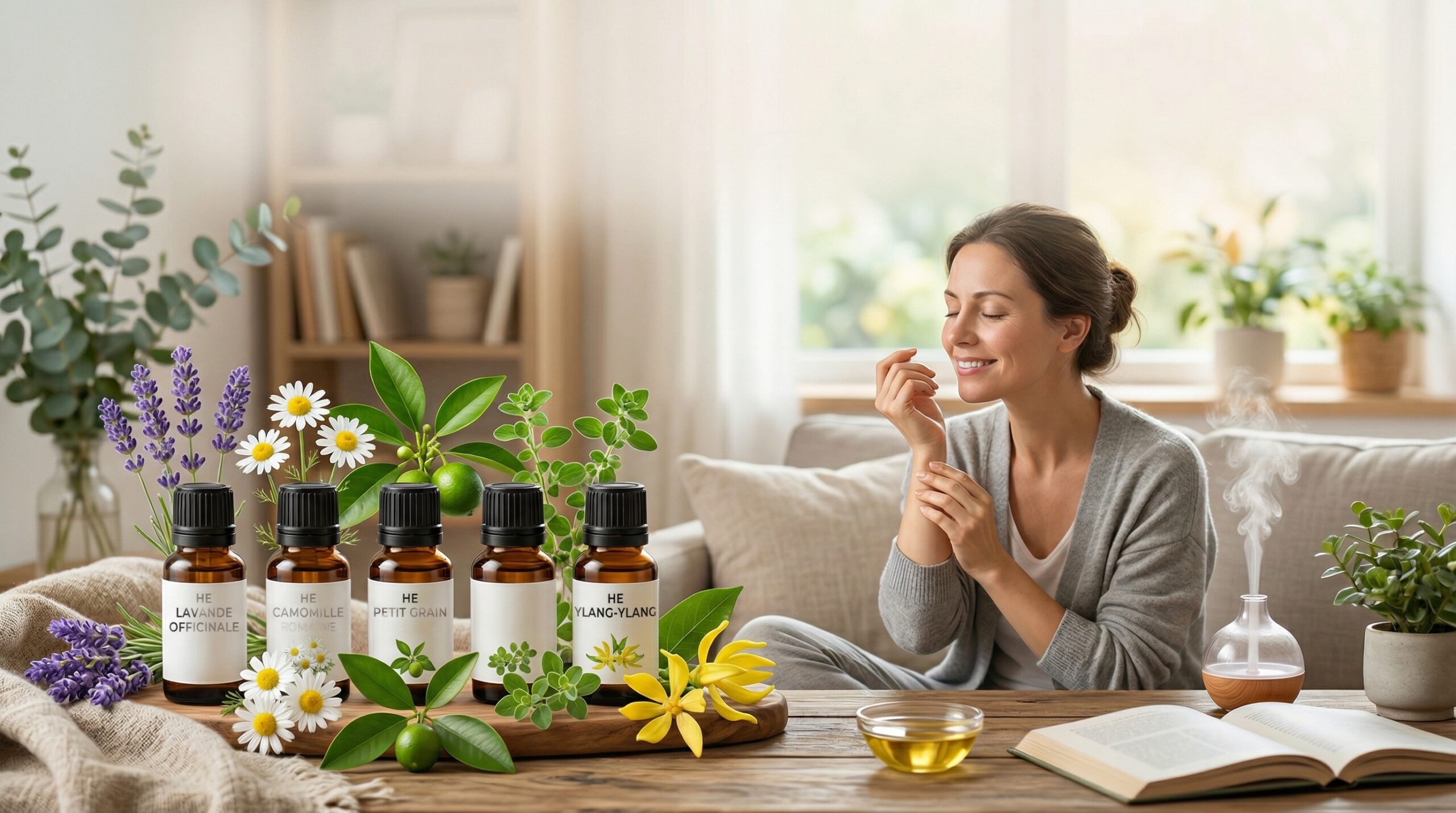
Find out how essential oils (lavender, chamomile, petitgrain) work on the nervous system to relieve anxiety. A comprehensive guide: key compounds, usage tips and essential precautions.
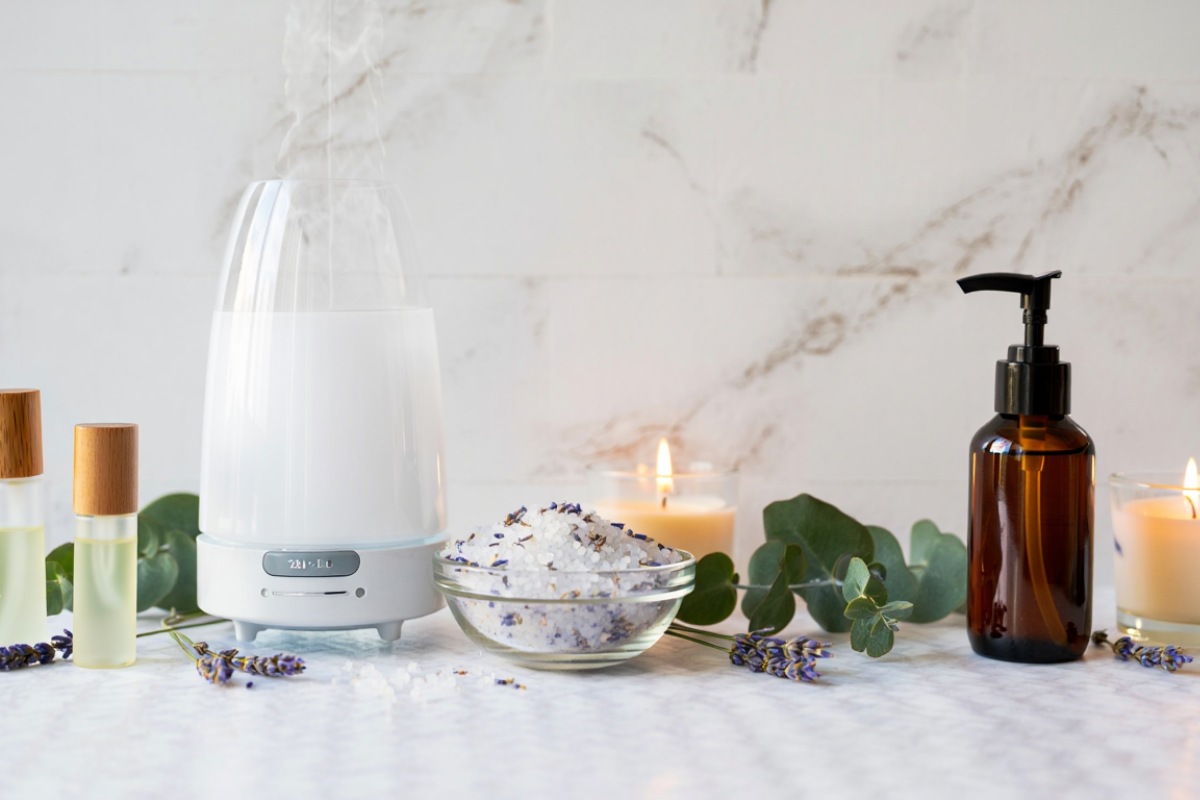
Using essential oils for diffusion is a way to bring the power of plants into your living space. Just a few drops can transform the atmosphere of a room—calming, purifying, energizing—provided you choose the right oils and follow safety guidelines. While diffusion is one of the gentlest and most appreciated methods of aromatherapy, it still requires care. So, how can you enjoy all the benefits of essential oil diffusion safely and effectively? Here’s a complete guide.
Essential oils for diffusion work by dispersing aromatic molecules into the air, which enter the body through the respiratory tract and interact with the nervous system. Some oils like lavender or petitgrain bigarade are known to ease stress, reduce anxiety, and promote restful sleep. Others like ravintsara, eucalyptus radiata, or niaouli are ideal for clearing the airways and supporting immune function.
In work environments or during exams, oils like peppermint or lemon help boost focus and mental clarity. In short, the right essential oil diffused at the right time can balance emotions, support health, and create a beautifully scented, therapeutic ambiance.
There are several ways to diffuse essential oils, but not all are equal. Nebulizing diffusers, which use no heat or water, provide pure and intense diffusion—great for large spaces or therapeutic use. Ultrasonic diffusers, gentler and more family-friendly, disperse oils in a cool mist.
Be cautious: not all essential oils are suitable for diffusion. Harsh oils (like cinnamon or thyme thymol) should not be diffused. Safer, gentle options include:
In practice, limit use to 10–15 minutes per hour, in well-ventilated rooms. Avoid continuous diffusion, especially around small children, pregnant women, or sensitive animals.
Using essential oils at home requires a few safety basics. First: don’t overdose. A few drops are enough. Overuse can lead to respiratory irritation, headaches, or allergic reactions.
Second: choose oils based on the time of day. For example:
And don’t forget to clean your diffuser regularly. Residue buildup can affect both performance and air quality. Wipe it down every 2–3 uses with a soft cloth and alcohol.
Can I diffuse essential oils every day?
Yes, but moderately: 15 minutes, 2–3 times a day is usually enough. Take breaks during the week to avoid overexposure.
Which essential oils should not be diffused?
Avoid oils high in phenols or ketones (like thyme thymol, cinnamon, clove). These are too irritating for respiratory use.
Is it safe to diffuse essential oils around babies?
Generally not. Diffusion is not recommended for children under 3 unless under medical advice. Hydrosols or indirect aromatherapy are better alternatives.
Which oils purify indoor air?
Ravintsara, lemon, eucalyptus radiata, and tea tree have antibacterial and antiviral properties. Use them in closed spaces during winter months.
Are essential oils safe around pets?
Be cautious. Cats especially are sensitive to essential oils and cannot metabolize many compounds. Avoid diffusion in rooms where they spend time, or allow them to leave the area.
Find out how essential oils (lavender, chamomile, petitgrain) work on the nervous system to relieve anxiety. A comprehensive guide: key compounds, usage tips and essential precautions.
Essential oils are highly concentrated plant extracts, and just a few drops are enough to be effective, provided you choose the right method of administration and dosage. This article details the main ways to use them on a daily basis (skin application, diffusion, baths, oral or rectal administration), recommended dilutions, at-risk populations, and essential precautions to enjoy their benefits while limiting adverse effects.
Humidifier or dry diffuser? How to choose your organic essential oil diffuser according to its technical characteristics. In an air-conditioned office, bedroom or new home, opt for diffusers with an ultrasound humidifier. Their light, cool mist compensates for overly dry air. You’ll breathe easier, your skin won’t tug any more… and the diffusion can last … Read more
Balsam Fir essential oil is a natural treasure, often overlooked. This precious elixir, extracted from the “king of the icy forests“, is a pillar of natural medicine thanks to its many virtues. In this article, we explore in detail the history, properties and uses of this remarkable essential oil. Balsam fir, whose botanical name is … Read more
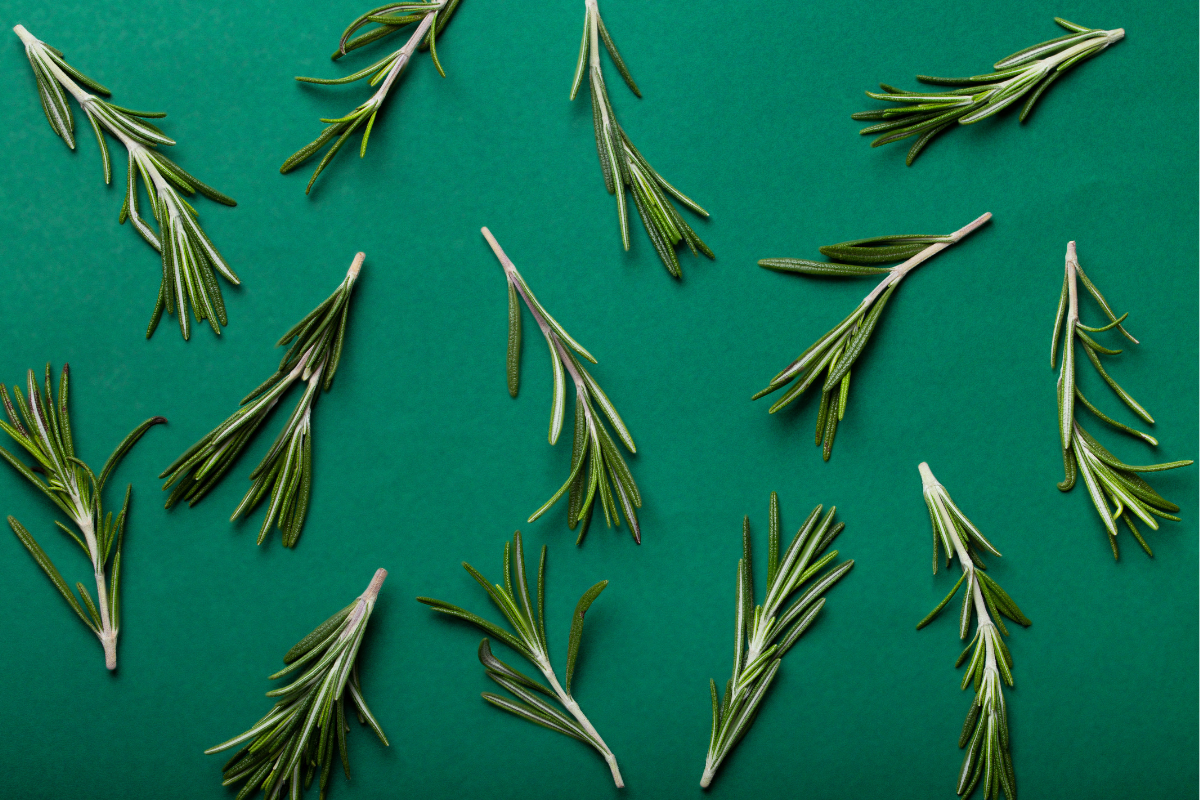
Who hasn’t crumpled a sprig of rosemary between their fingers to release its powerful, fresh aroma? Much more than just an aromatic herb, rosemary has earned a reputation throughout the ages as a plant with a thousand virtues. Already revered in ancient times, it was used both to honour the gods and for its medicinal … Read more
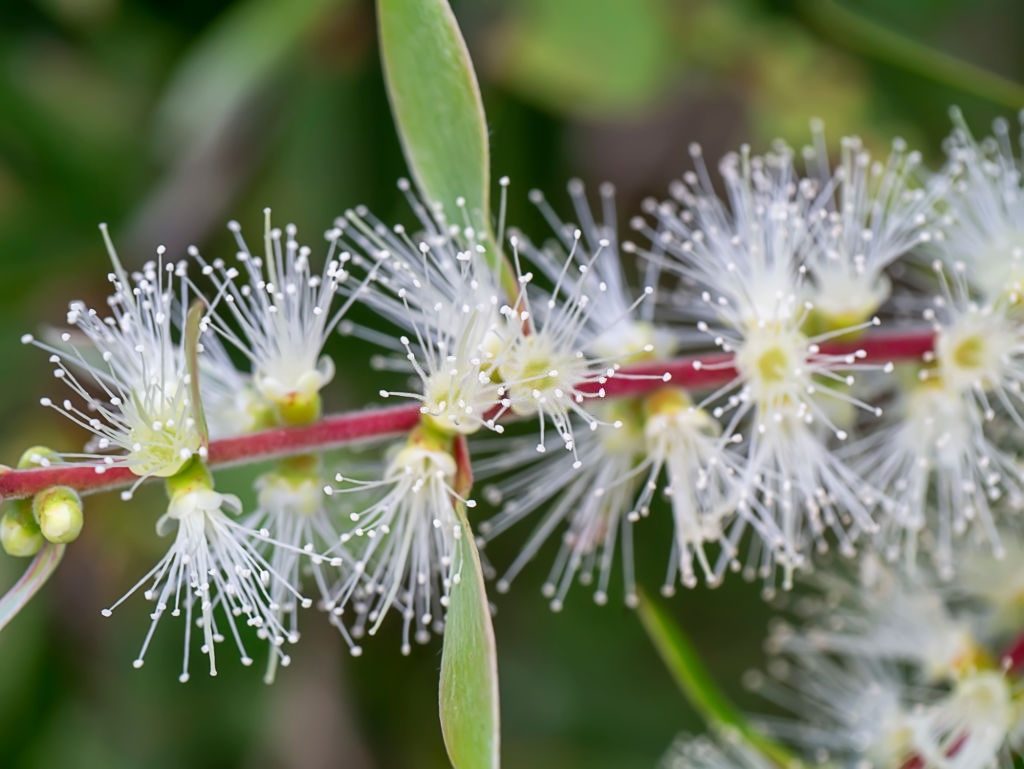
Niaouli, a natural treasure with multiple virtues, is at the heart of our exploration. Botanically known as Melaleuca quinquenervia and belonging to the Myrtaceae family, this remarkable plant is distinguished by its leaves, which are veritable organs of goodness. The rich and fascinating history of Niaouli began long before it appeared in Europe in the … Read more
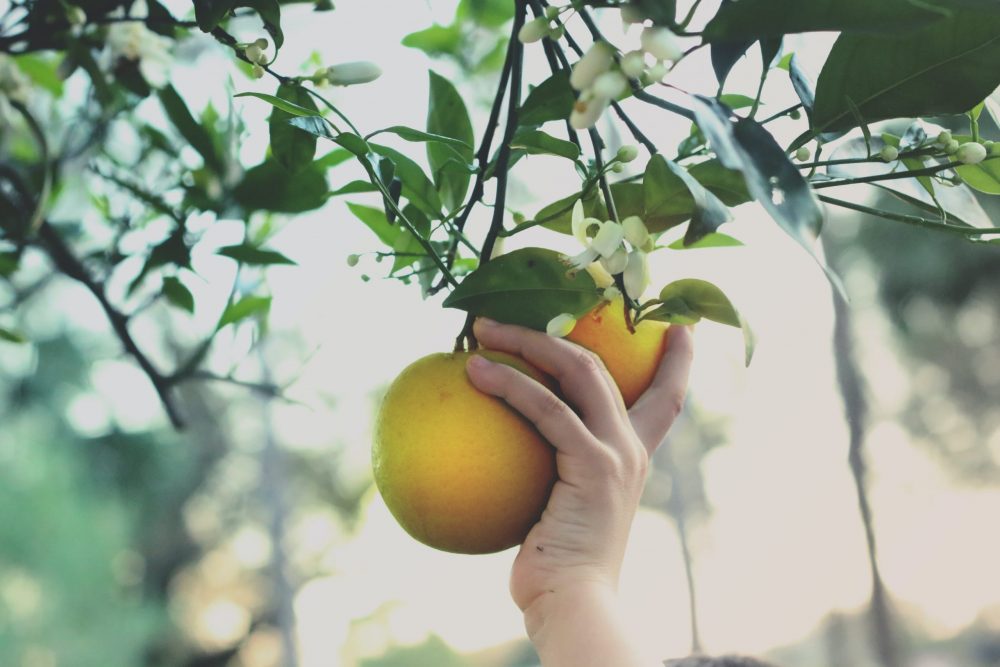
Neroli essential oil is orange blossom essence from a single variety of orange trees; sour orange or bitter orange tree . Originally from India and China, the bitter orange very quickly arrived in the Mediterranean basin 1000 years ago. In Antiquity, the orange blossom was notably a symbol of purity ; it even adorned the crowns of brides. A little history The bitter … Read more
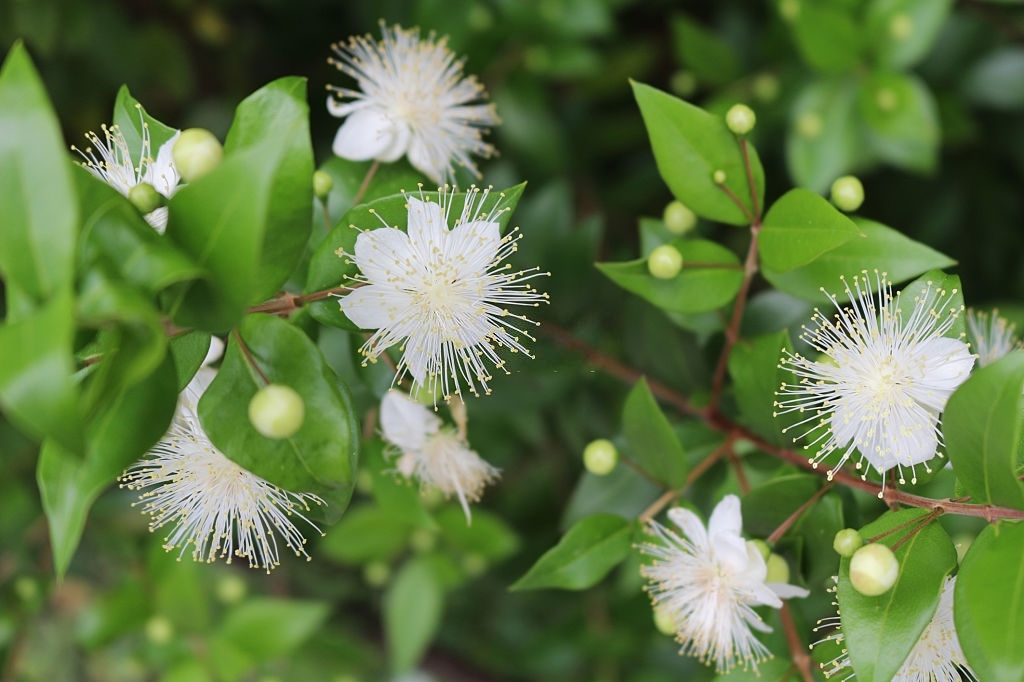
Myrtle, whose botanical name is Myrtus communis L., belongs to the Myrtaceae family. The productive organs are the twigs. Red myrtle (Myrtus communis var. tarentina) is an emblematic Mediterranean plant with exceptional aromatic and therapeutic properties. Among the olfactory and therapeutic treasures on offer in the world of essential oils, red myrtle essential oil occupies … Read more
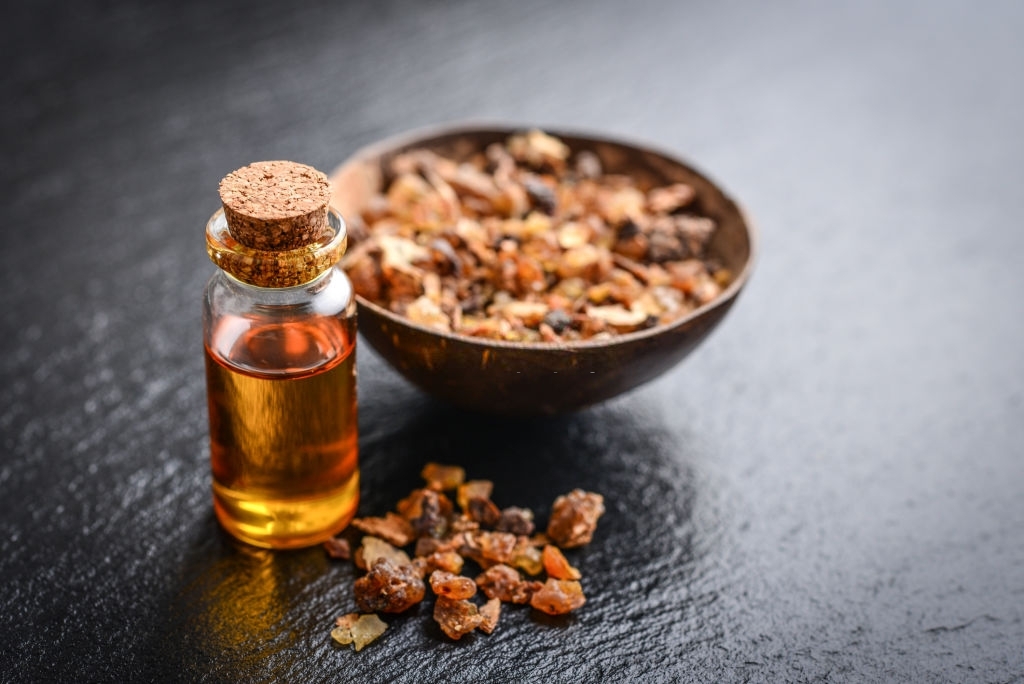
Myrrh, an age-old plant treasure, continues to captivate the world with its unique properties and fascinating history. This article explores the many facets of this precious resin, from its botanical extraction to its ancient and modern uses. Extracted from the Commiphora myrrha tree, a member of the Burseraceae family, myrrh is obtained from the gum-resin … Read more
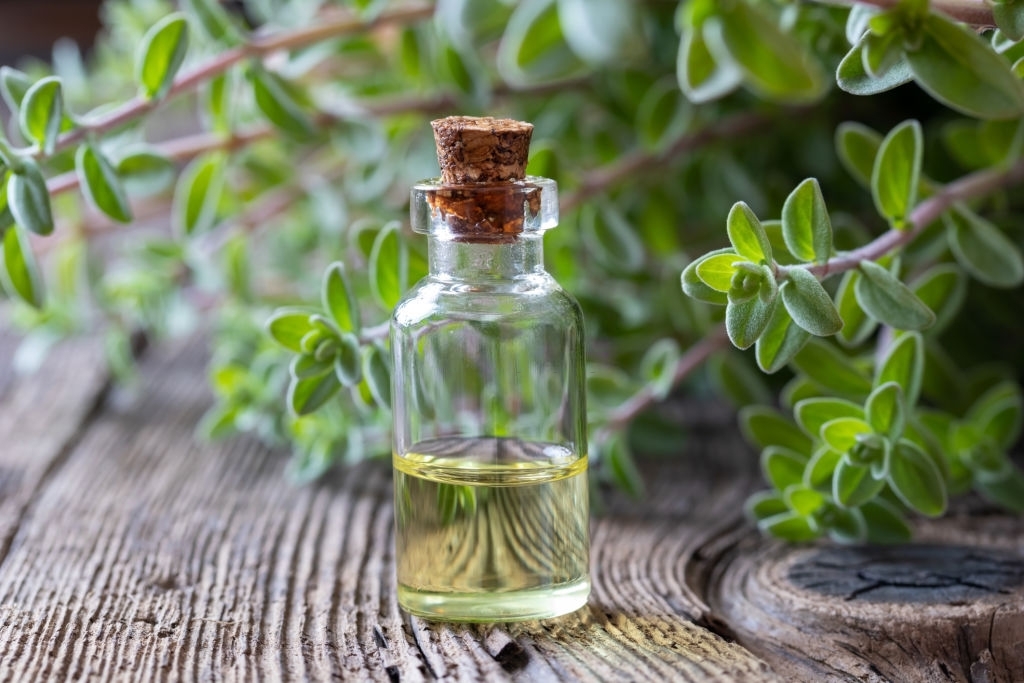
About 3000 years ago, in the ancient Egypt of the pharaohs, the marjoram was dedicated to the god Osiris . Renowned then as a digestive antiseptic , it was also renowned for its action in colds. Dioscorides also recognized in it properties against headaches . This plant is native to Cyprus and Turkey and is otherwise known as garden marjoram, spreading throughout the Mediterranean basin. Cultivated … Read more
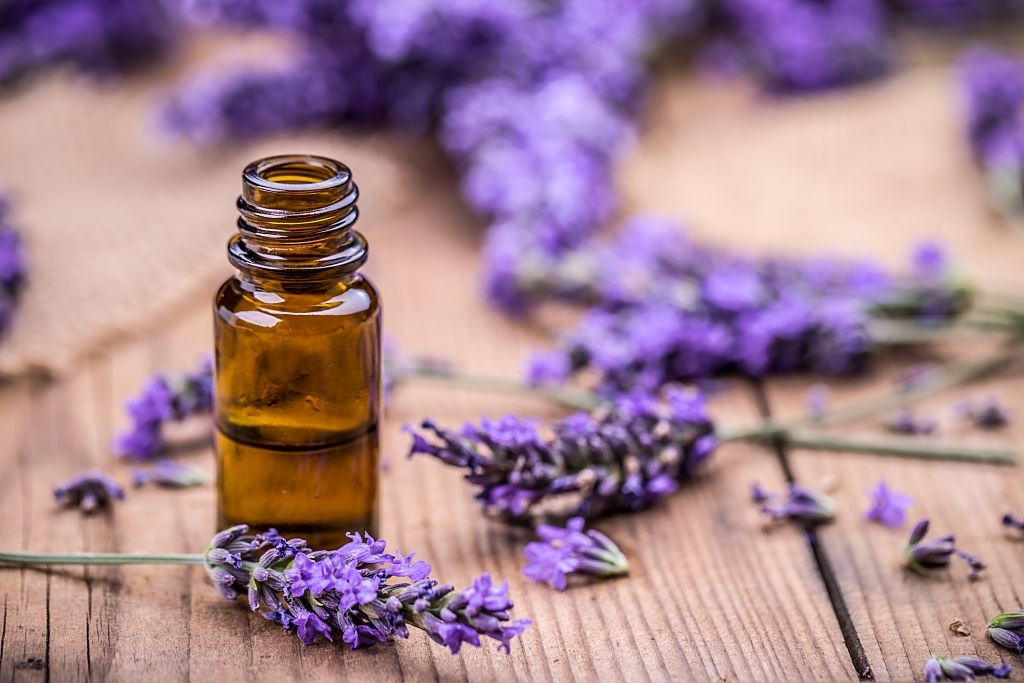
True lavender, whose botanical name is Lavandula angustifolia, belongs to the Lamiaceae family. Its essential oil is obtained by distillation of the flowers. A little history Ancient texts say that lavender was burnt in the rooms where the sick stayed. In ancient times, it was also used to perfume the water in Roman thermal baths … Read more
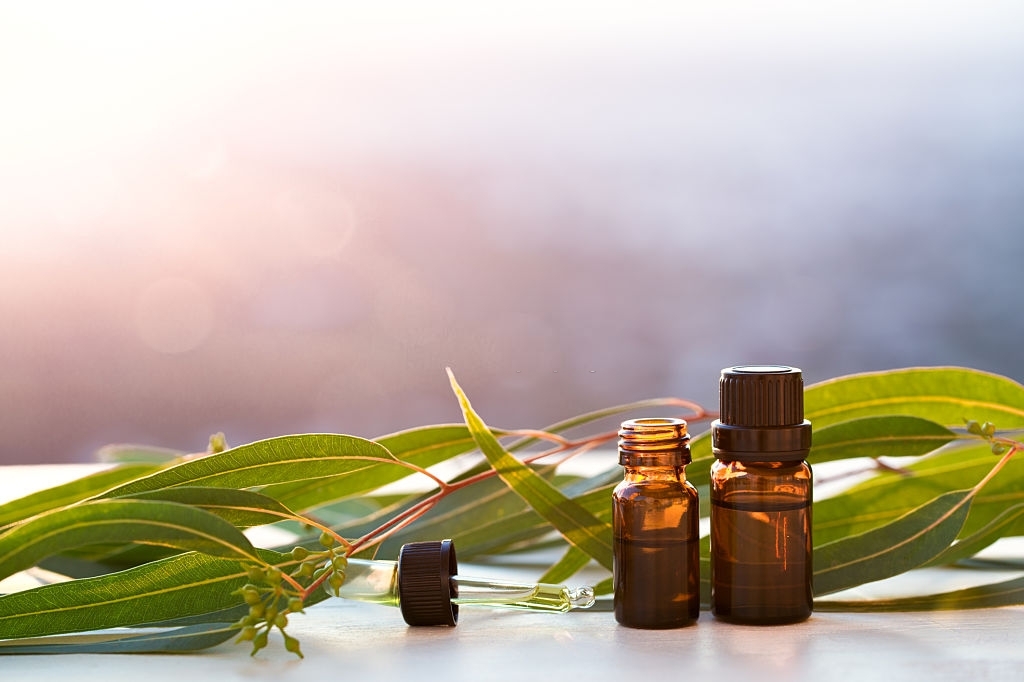
Originally from the Austral lands, eucalyptus will give birth to many species , some of which, very interesting, will be exploited in the medicinal field . The term Eucalyptus comes from the Greek “ eu ” and “ kaluptos ” which mean respectively “ well ” and “ covered” , probably in reference to its stamens perfectly closed by a operculum. A little history Discovered in the 18th century in … Read more
Lemon eucalyptus is a plant native to the Australian continent as well as Madagascar. The Aborigines had in fact always known its powerful antibacterial properties . Lemon eucalyptus was also used to dry out swampy areas in the subtropics. The aborigines of Australia used the sap of the eucalyptus or “gum tree” in direct application on their wounds in order … Read more
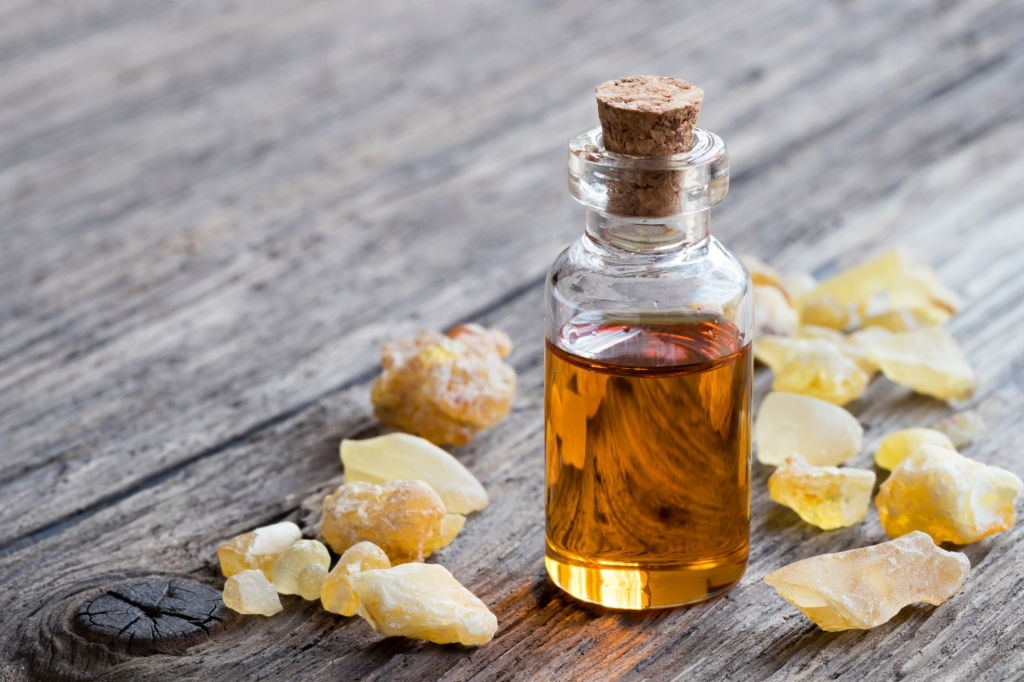
Since ancient times, frankincense, along with myrrh and other aromatics, was among the drugs burned in temples during religious ceremonies. These odoriferous fumigations are also currently still in use and are part of the rites of current religions. A mythical and ritual plant of all civilizations of the Mediterranean basin, incense has therefore been the object of all desires. of the … Read more
Cypress was part of the medical material of the ancient Egyptians, as evidenced by various papyri. Its reddish yellow wood, practically incorruptible, was used to make sarcophagi to keep mummies. Tradition has often dedicated this tree to the cult of the dead and to the ornamentation of cemeteries because of its dark foliage and its eternally green color ( semper … Read more
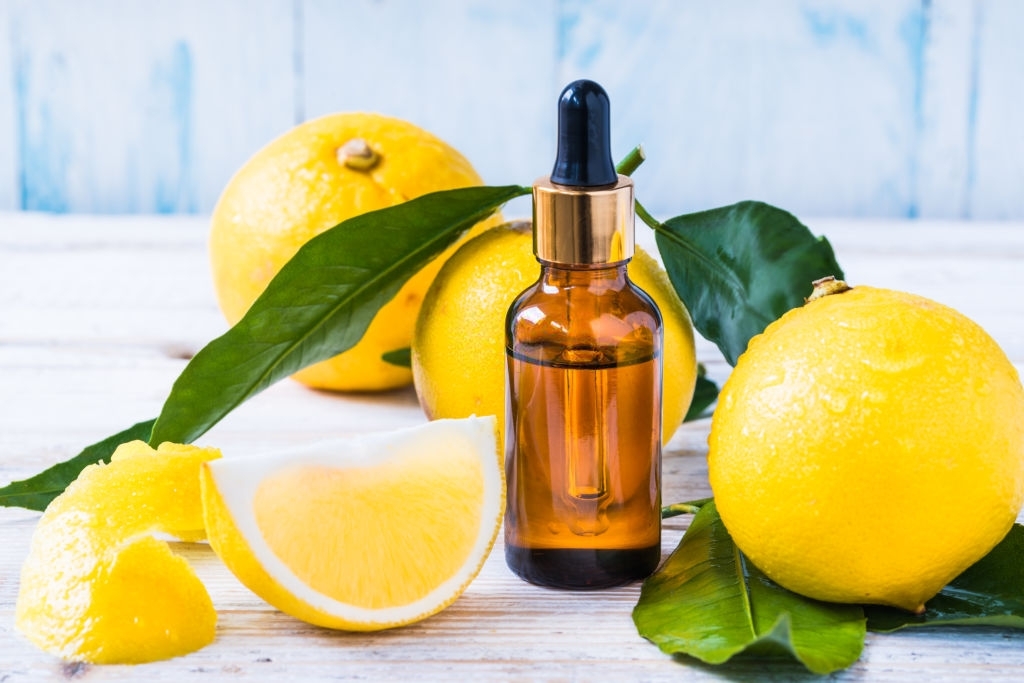
As everyone knows, lemon is a citrus fruit, a word whose etymological roots directly refer to its pungent and sour flavor . In the fifth century BC, Sophocles referred to the orange and the lemon under the same name of “golden apples” ( which for a long time suggested that these two fruits could indeed have some relation with apples. from … Read more
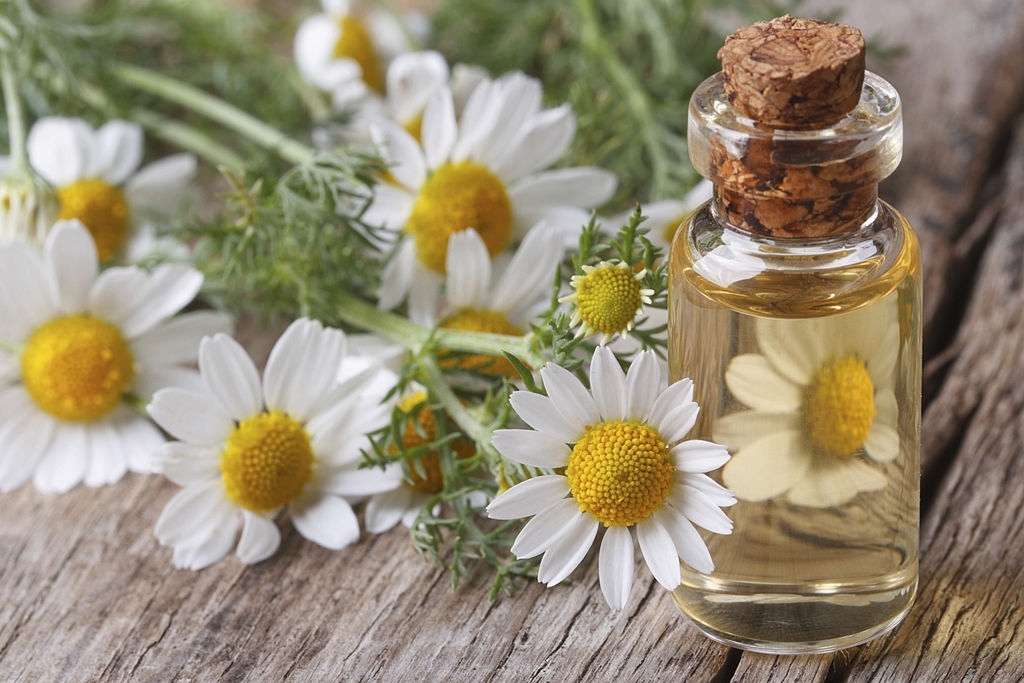
The virtues of chamomile flowers have been known since the dawn of time. Although not of Roman origin, tradition has it that it was named so because a German botanist and physician Camerarius rediscovered it in the 16th century in Rome. The flower head is used in herbalism, traditionally to facilitate digestion . In liquorice, it gives a bitter flavor to aperitifs. The … Read more
Discovered by botanists in 1925 in the Juriti Velho region (States of Para), this tree was named “rosewood” because of the delicately scent of its wood . The study of this tree revealed that it contained an essential oil of an exceptional richness in linalool , an odorous substance precursor of the perfume of lavender. A thriving extractive industry developed in the Amazon … Read more
In the citrus tribe, bergamot stands out, not only because it is a funny phenomenon full of sparkling and charming, but also because we wanted to attribute several places of birth and equally numerous parents. Indeed, some say that it comes from the west: they claim that it was Christopher Columbus who discovered the bergamot tree in … Read more
The tea tree ( Melaleuca alternifolia) or Tea tree is native to New South Wales in Australia, where the Bundjalung aborigines used the leaves to heal themselves from a variety of ailments for a long time . Unfortunately, very little of this ancestral knowledge has come down to us, due to the fact that huge sections of aboriginal culture have … Read more