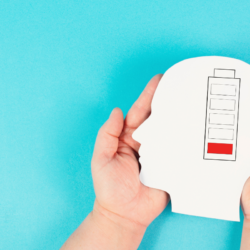

Why does a lack of vitamin D cause persistent fatigue?
Vitamin D plays a key role in the functioning of mitochondria, which are responsible for cellular energy production (ATP).
- Decrease in available energy
- Physical and mental fatigue
- Slower recovery
This fatigue is often profound and long-lasting. To identify the underlying cause, consult our guide:
vitamin D deficiency: symptoms and diagnosis.
What are the signs of vitamin D-related fatigue?
Unlike typical fatigue, that linked to vitamin D has specific characteristics:
- Persistent fatigue despite rest
- Loss of motivation
- Muscle weakness
- Frequent infections
In our practice, we often see a rapid improvement once the deficiency has been corrected.
What is the link between fatigue, hormones and vitamin D?
Fatigue can also be linked to a hormonal imbalance. Vitamin D affects:
- The thyroid
- Insulin
- Sex hormones
A deficiency can exacerbate fatigue by disrupting these systems. For further information, see:
vitamin D and hormones.
Why is fatigue more common in winter?
In winter, vitamin D synthesis is significantly reduced:
- Less exposure to sunlight
- Lower serotonin levels
- Disruption of the circadian rhythm
To understand the role of the sun and the alternatives, see:
vitamin D: sun or supplements.
How can you boost your energy levels with vitamin D?
There are several steps you can take to quickly improve the situation:
1. Exposure to light
Ensure daily exposure to sunlight.
2. A balanced diet
- Oily fish
- Eggs
3. Targeted supplementation
In most cases, this is necessary. Discover our selection of vitamin D supplements.
| Approach | Effectiveness | Timeframe |
|---|---|---|
| Sun | High | Fast |
| Power supply | Moderate | Slow |
| Supplements | High | 2 to 4 weeks |
When should supplementation be considered?
If fatigue persists despite a healthy lifestyle, it is advisable to check your vitamin D levels.
For a comprehensive overview of the subject, see:
Vitamin D: complete guide.
Frequently asked questions about vitamin D and fatigue
Can vitamin D really reduce fatigue?
Yes, in cases of deficiency, correcting it significantly improves energy levels.
How long does it take to regain energy?
Usually 2 to 4 weeks.
Is winter fatigue linked to vitamin D?
Yes, largely.
Should you get your vitamin D levels checked if you’re feeling tired?
Yes, it is recommended.
Can you still feel tired despite taking supplements?
Yes, if the dose is insufficient or unsuitable.