Turmeric, a prodigious root with many benefits
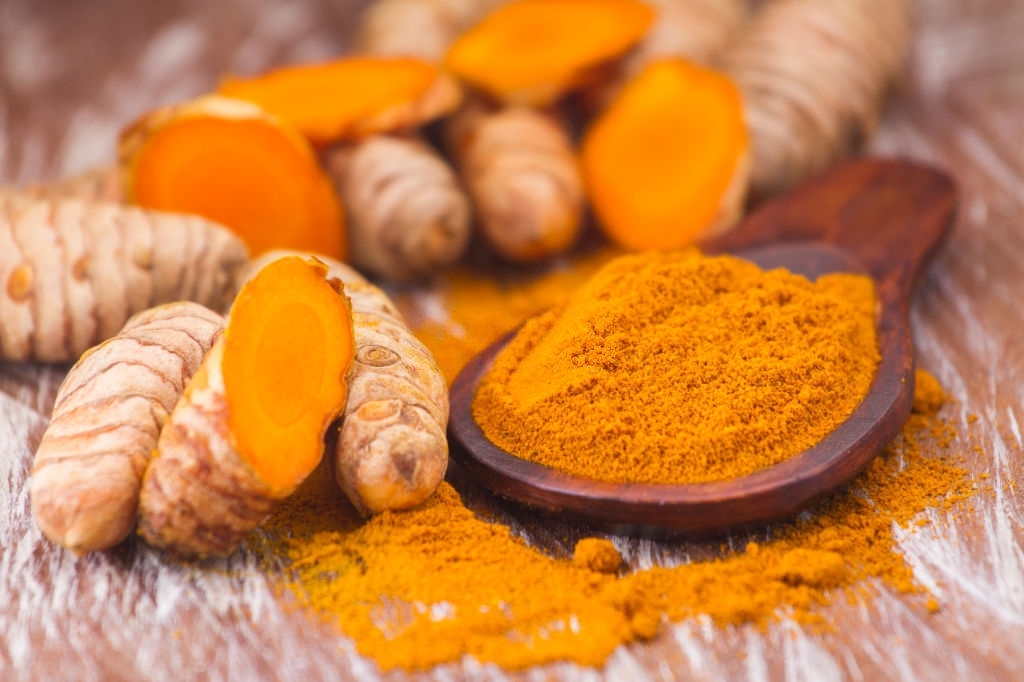
turmeric rhizome for your health

A medical material, a tinctorial plant but also a spice, turmeric has provided its benefits to men for 3,000 years . This perennial plant, some specimens of which nowadays adorn florists’ shops, is best known for its underground parts which, like ginger, are in fact made up of rhizomes. A little history Turmeric has been known to the … Read more
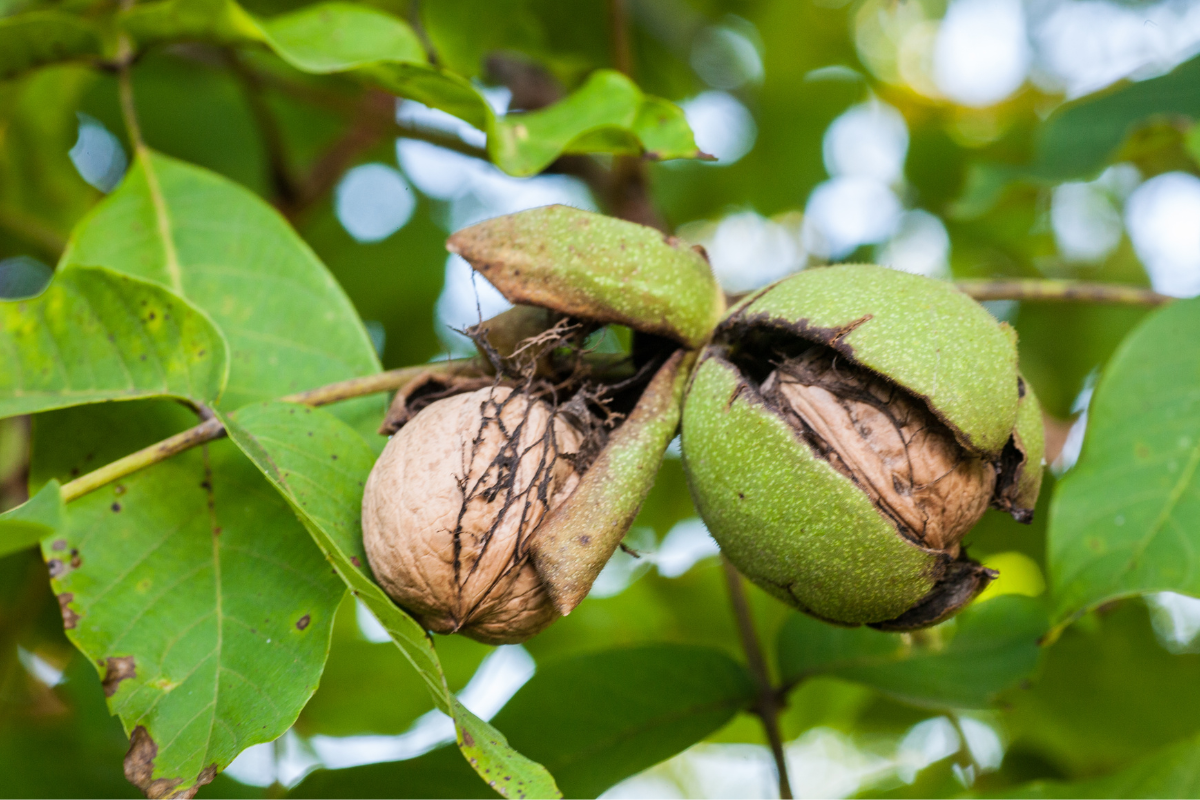
Walnut, natural fall remedy par excellence

A number of plant species can be used to accompany your autumn cure. Among them, walnut (Juglans Regia) deserves special attention. First of all, because of the seasonal effect, in keeping with the rhythm of nature. The walnuts ripen in late September to early October. We eat them fresh, then dry them throughout the winter. … Read more

Blackcurrant, pepper from Spain with admirable properties

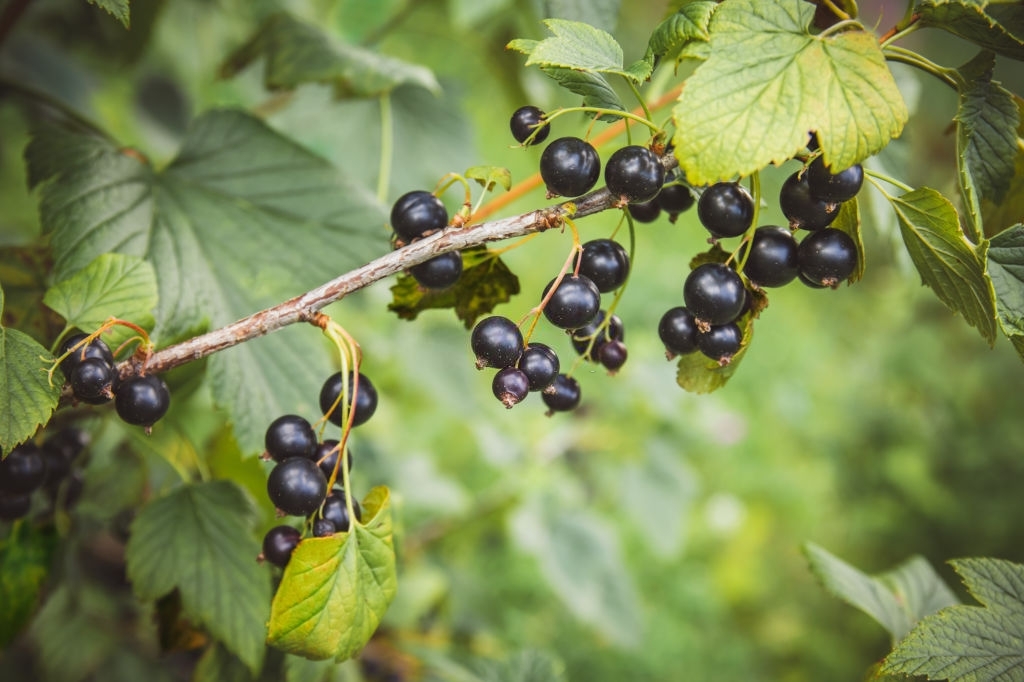
blackcurrant leaves

The term “blackcurrant” takes its etymology from the Phoenician. This vegetal blackcurrant is a word appearing in the 16th century, at the same time as the first writings granted to it ( Rembert Dodoens , 1583) as well as the first medicinal mentions of its leaves and fruits ( Petrus Forestus , 1614). A little history Dodoens is Flemish, Forestus is Dutch. They are therefore … Read more

Caralluma, the prince of satiety

caralluma

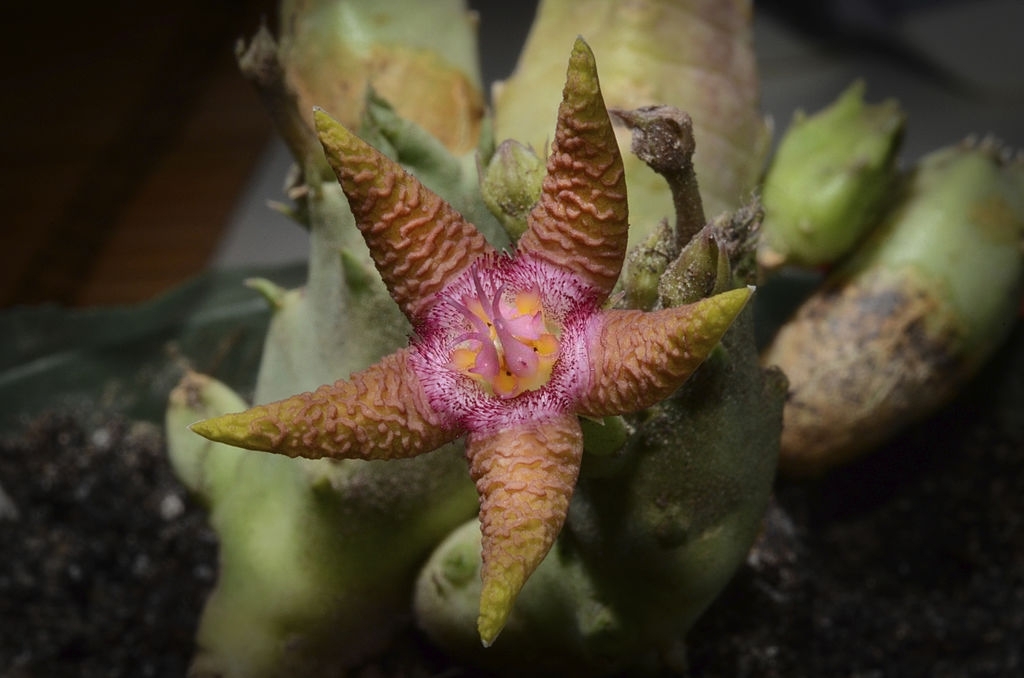
Caralluma flowers give off such a putrid smell that the Arab nomads nicknamed it qahr al-luhum (carnal sore, abscess). Over time and trade, the plant arrived in the West where its name was Latinized in Caralluma . It is a so-called “succulent” plant: it is capable of storing water in its stems and leaves . In fact, it was traditionally used by the Indians … Read more

Cranberry, its therapeutic use in its urinary indications

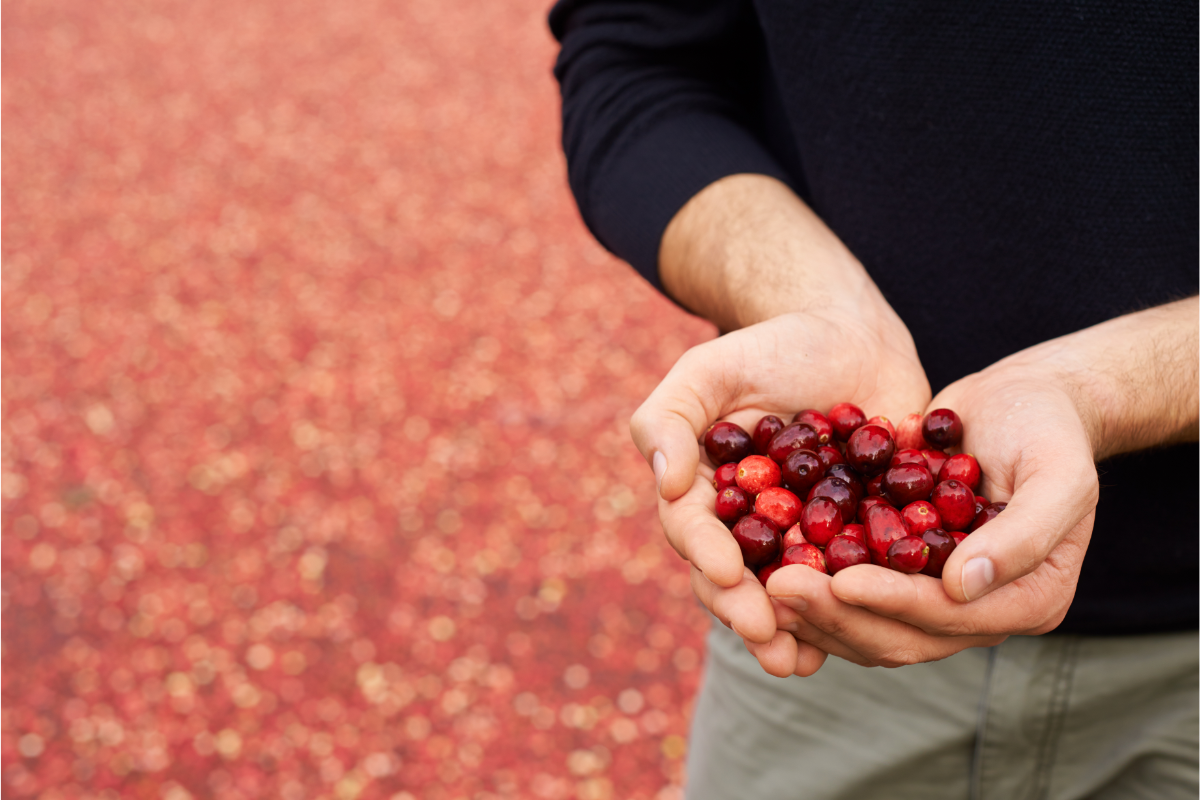
First used by the Amerindians of North America for food and therapeutic purposes (to disinfect the urinary tract), the cranberry was then discovered by Europeans, who first used it on board ships that crossed the Atlantic to fight against scurvy , due to its high vitamin C content . A little history As early as the middle of the 19th century, German doctors helped … Read more

Oats give pride of place to medical use

Oats are to the north of Europe what barley is to the south, although they are not widely grown in the far north (Russia, Scandinavia). The first known uses of oats date back more than 4,500 years. It continued to be used during the Copper Age and then the Bronze Age, in the temperate regions … Read more

Artichoke, the terrestrial thorny tree, descendant of Cardon

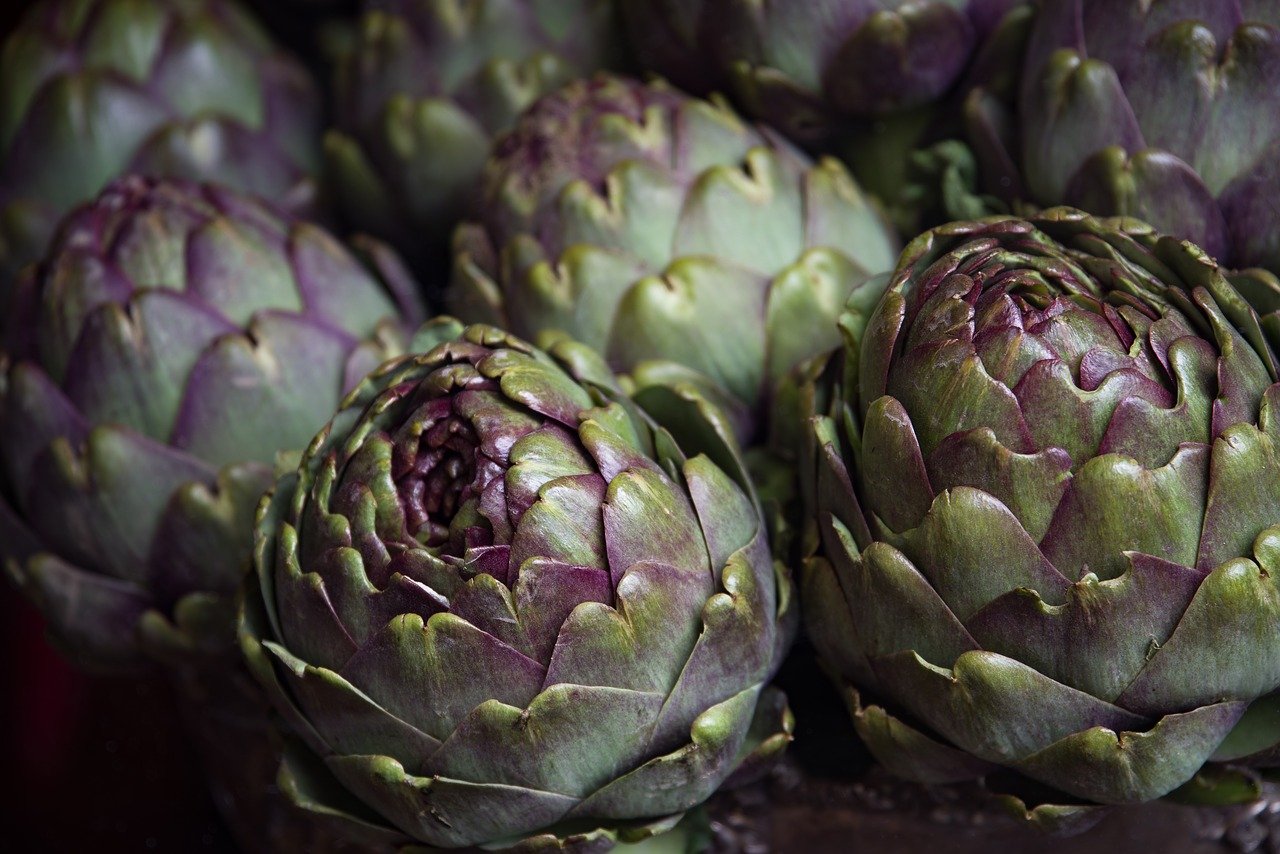
The word artichoke is explained by an etymology of Arabic origin “ ardi chouk” , which means: “thorny terrestrial”, taken up and transformed by the Lombard term “ articiocco” . But at this point, we are still far from Lombardy. However, the future artichoke, a cardoon in transformation , slowly takes its path and reaches the kingdom of Naples in the 15th century, … Read more

The Great Nettle, a vegetable from prehistoric times

nettle

The 19th-century mythologist Angelo de Gubernatis relates an interesting fact. According to him, mixing nettle seed with the bran given to hens increased egg production. What appeared to be a simple propitiatory ritual turned out to be true. It is now recognised that nettle seed stimulates hens to lay eggs. In Scandinavian countries, it makes … Read more

Gentian, mysterious source of vitality

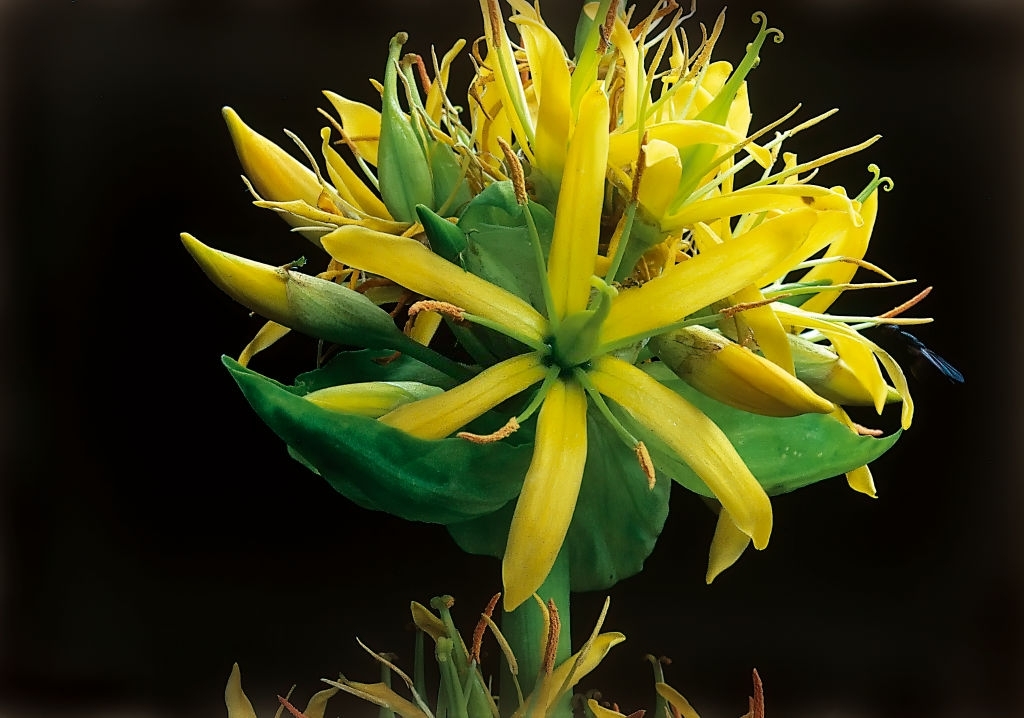
Any plant, as long as it has been considered a panacea, drains legendary tales after it . Let us remember that Olivier de Serres gave the gentian as suitable for fostering childbirth , something which seems to underline, by its cheerful aptitude, a great vitality, a remarkable detail, especially since in the time of this eminent agronomist, a good number of French people … Read more

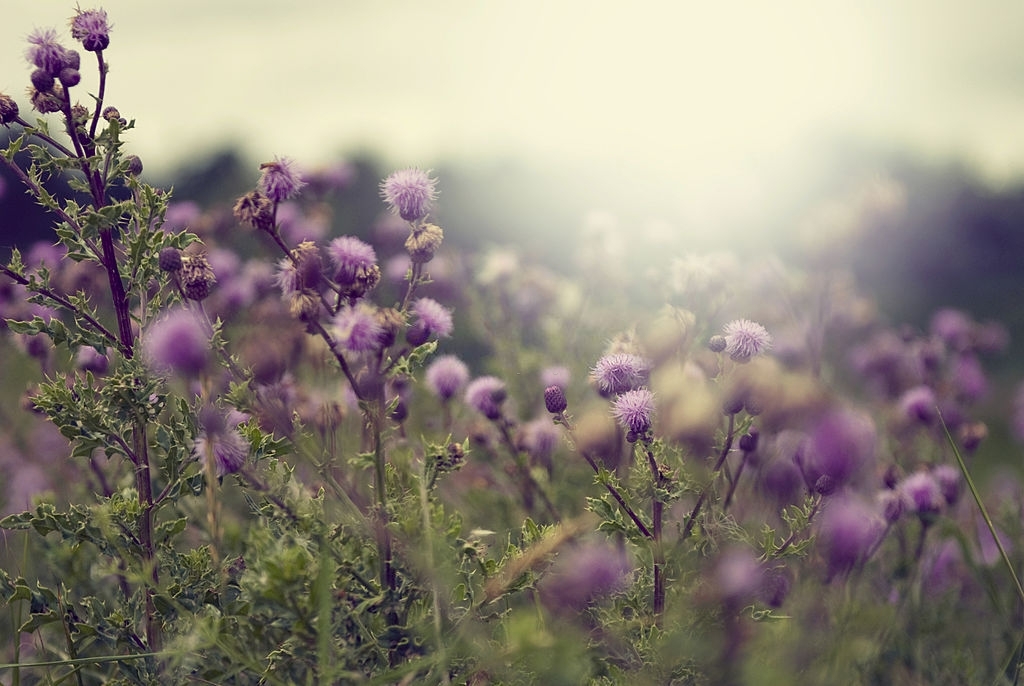
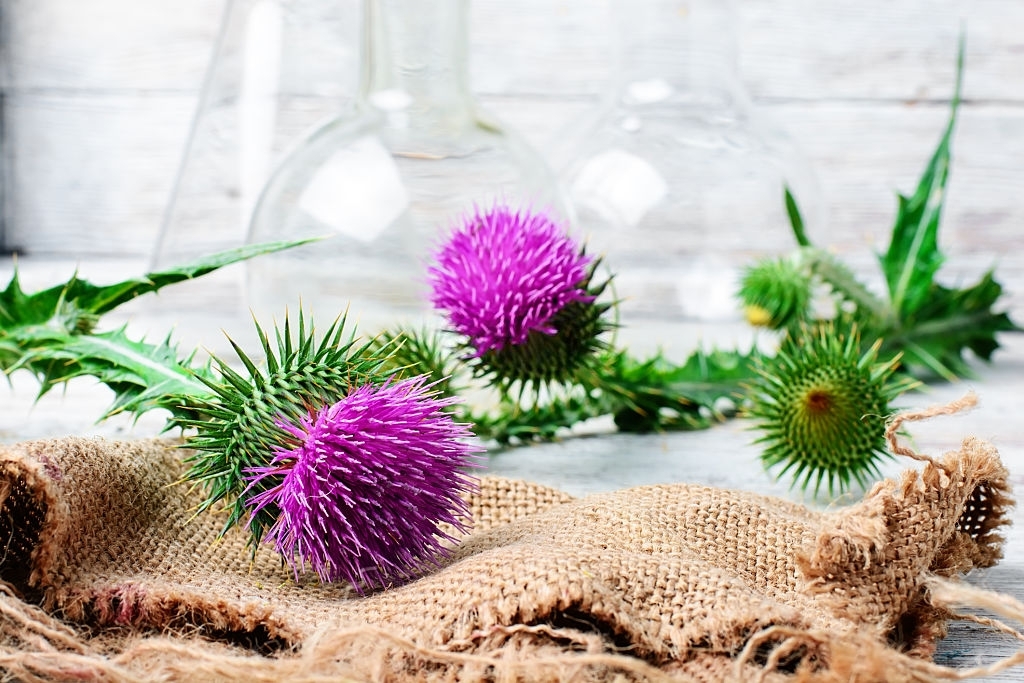
The Milk Thistle, symbolic of the mystical Rose

The Milk Thistle, symbolic of the mystical Rose

Much more used by popular medicine, milk thistle will have to wait until the beginning of the 16th century before therapists finally take it into consideration . However, from the eighteenth century, the virtues of milk thistle, as diverse as they are, were thrown away by practitioners. Whatever. The twentieth century will restore the image of this repudiated plant. A little history The name milk thistle … Read more

Ginseng, the sovereign essence sent by the gods

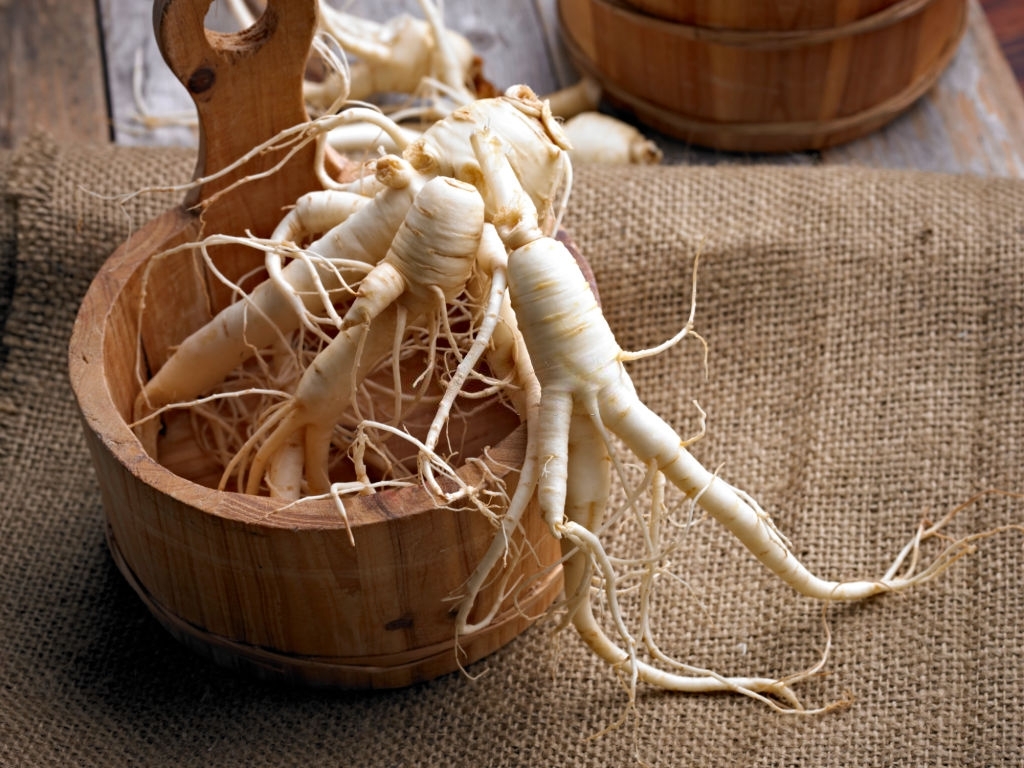
ginseng

Benefit of the earth nicknamed “sovereign essence”, ginseng has been considered for millennia throughout the Far East as THE plant sent by the gods to help men since their creation. This vegetable gnome, this homunculus having captured telluric energies is, whatever the date of its first use, considered as a panacea (of the goddess Panakeia , daughter of Asclepius god of medicine, … Read more

Lady’s mantle, moon plant in celestial water

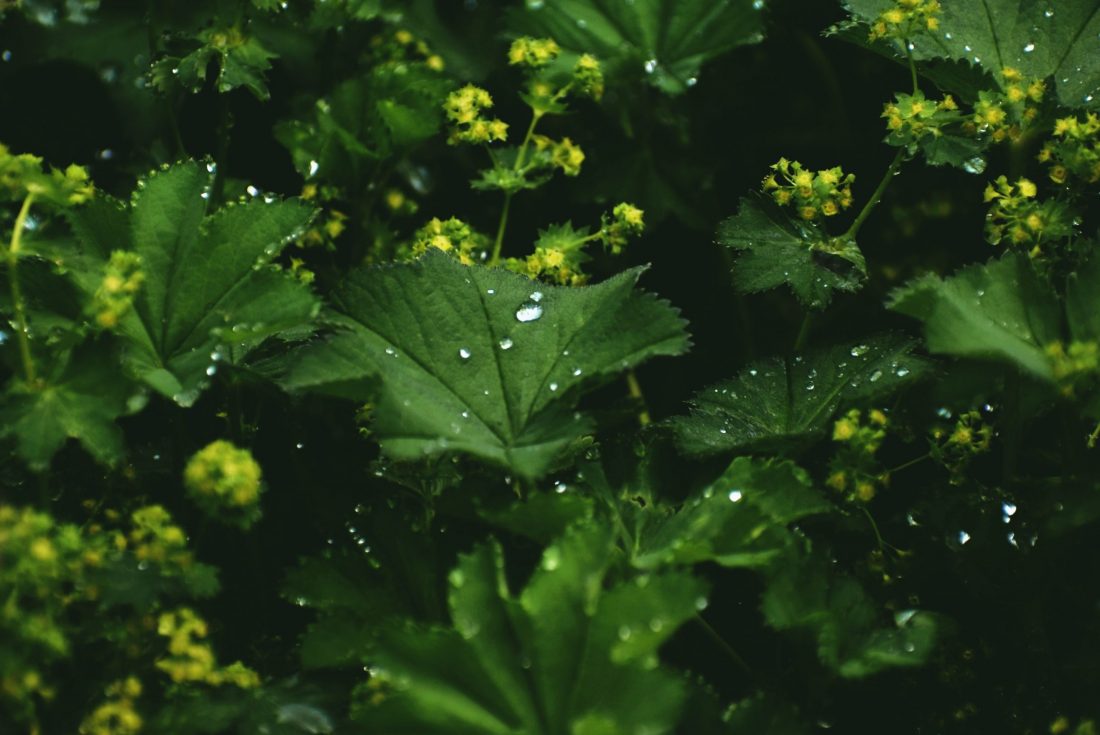
lady's mantle

Petite, vivace et rustique, l’alchémille ne peut prétendre à la sensualité et la luxuriance de certaines autres plantes. Cependant, elle se distingue par sa capacité à recueillir la rosée dans ses feuilles. Cette eau, plus qu’une simple rosée, est également une eau végétale excrétée par la plante elle-même, nommée « eau céleste ». En raison … Read more

Busserole, bear grape with gargantuan properties

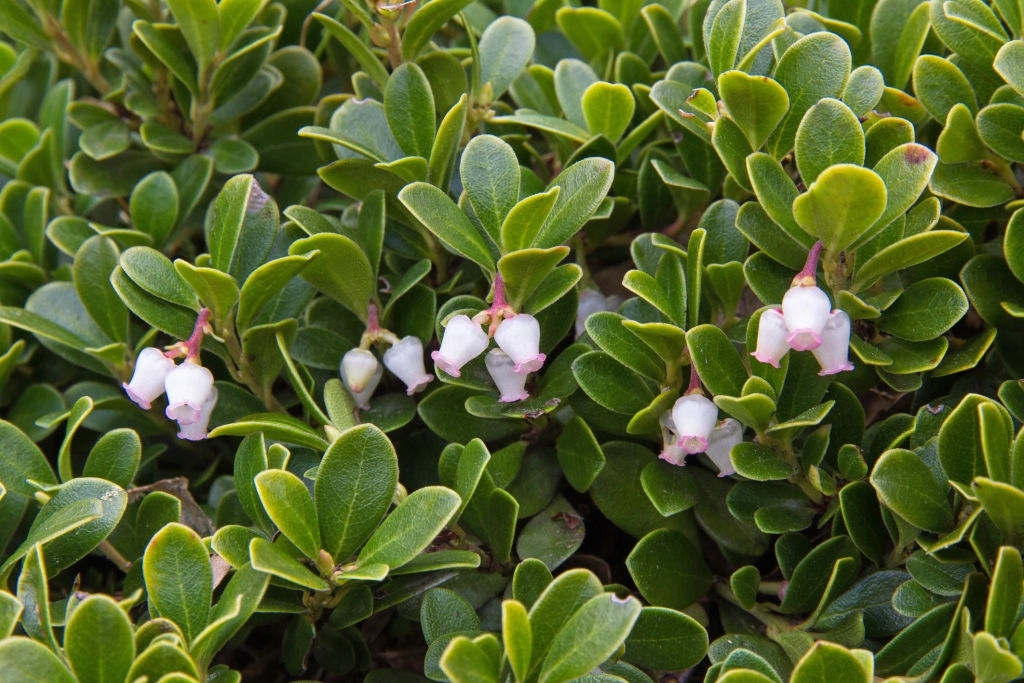
bearberry

Bearberry is one of the great omissions from medical literature throughout antiquity. The Middle Ages fared little better, considering that the earliest documents relating to it date back only to the 12th century: some English books mention its use, and it is even mentioned in a 13th-century Welsh herbarium entitled Les médecins de Myddfai (The … Read more

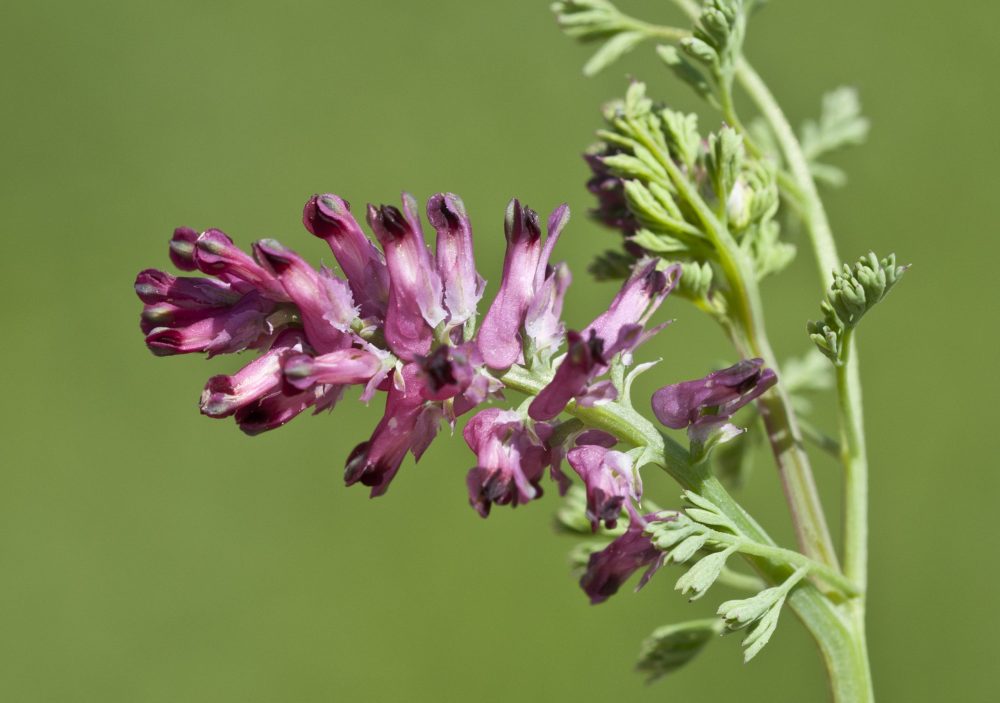
The fumitory, the subtle simple evanescent

fumitory

The belief of the Ancients was based on the idea of a plant that was not born from a seed. A plant with ashen leaves, a flavour reminiscent of soot and the smell of smoke, with a vaporous, evanescent appearance that evokes a blurred silhouette just like smoke rising from the bowels of the Earth… … Read more

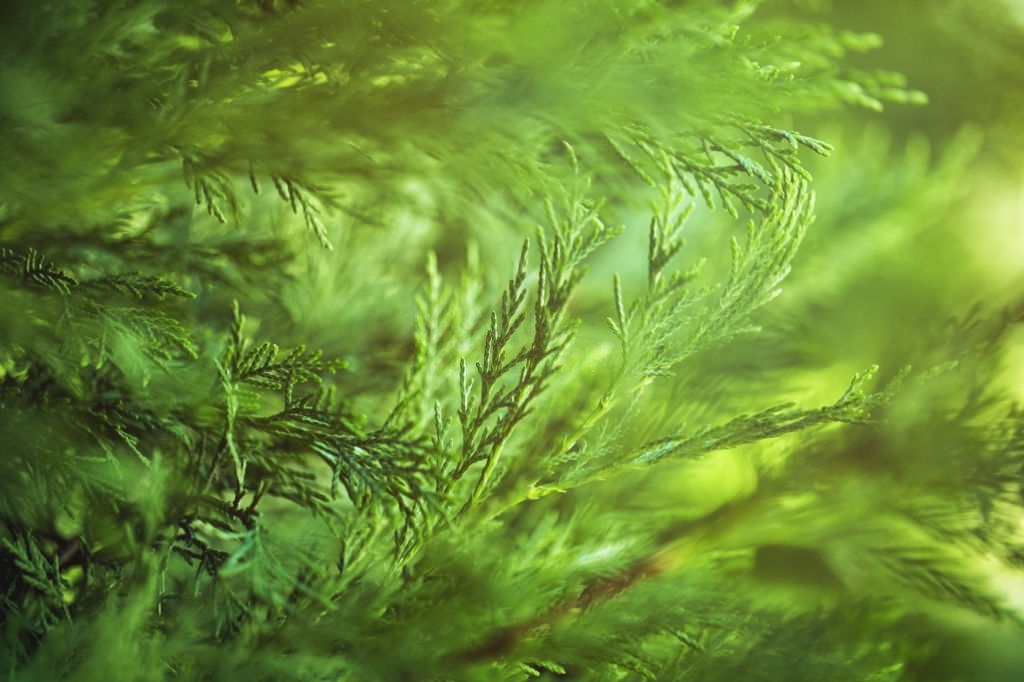
The Cypress, the tree of life with multiple properties

Who does not remember these Mediterranean landscapes where the dark cypress raises its narrow mourning columns against the violent blue of the sky? Before embellishing the Côte d’Azur and playing the useful role of a rampart against the wind and sand, the cypress took root in Asia Minor , where its presence is recorded in an old Assyrian … Read more

La Grande Bardane, nature’s little treasure

Burdock

Burdock, in addition to its medicinal implication in the daily life of men , has also been a plant linked to the spiritual domain. Already, 2000 years ago, Pliny indicated that it was one of the favorite plants of the Druids. Later, we will find it in the procession of solsticial plants and those that we throw (among others) into the … Read more

Adaptogenic plants: what are they?

Adaptogenic plants, an often overlooked treasure of nature, offer a multitude of benefits for our health and well-being. In this modern world, where stress and fatigue have become commonplace, the discovery and use of remedies natural remedies to counter these ailments is of vital importance. Adaptogenic plants, with their unique ability to help the body … Read more