Eye Disease: Recognising the Symptoms for Better Treatment

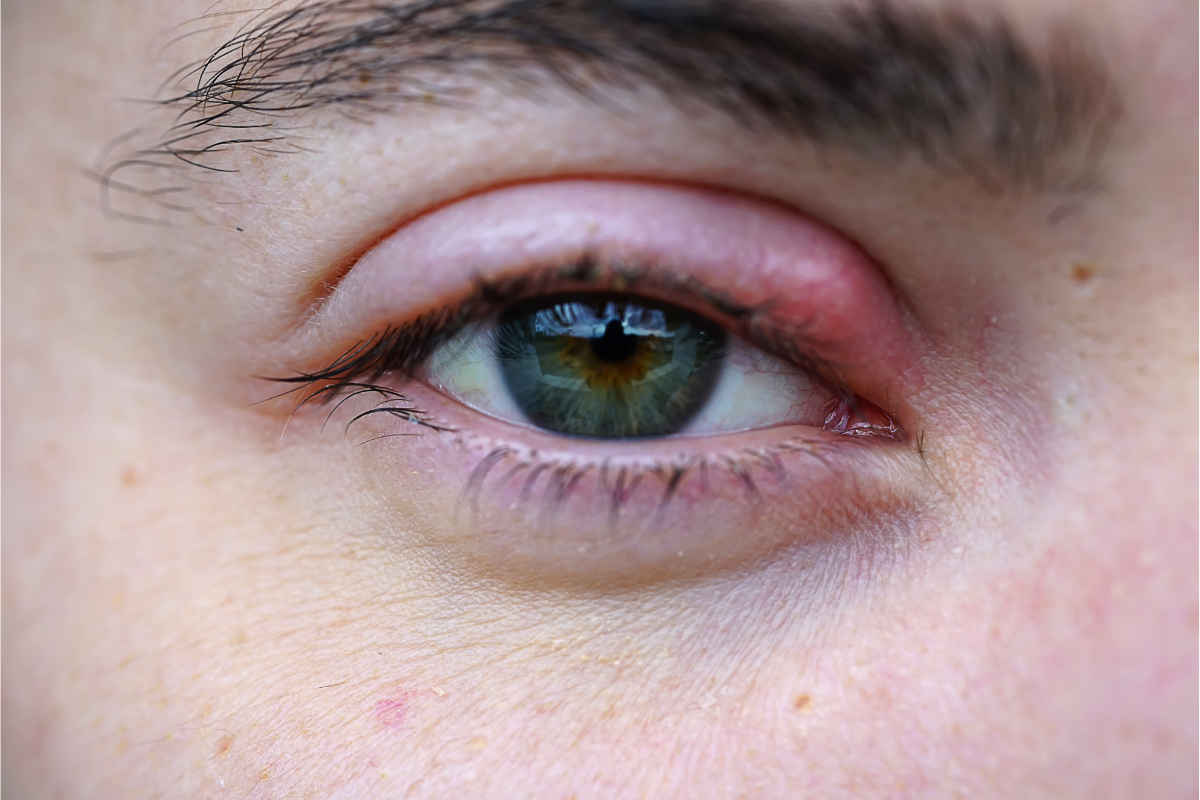
Close-up of a red, irritated eye illustrating an eye condition with visible inflammation and discomfort.

Glaucoma, cataracts, conjunctivitis… Eye diseases are very common and sometimes have no symptoms. Learning to recognise the early symptoms allows you to act quickly and preserve your vision. This article provides an overview of the most common eye diseases, warning signs and situations in which you should consult a doctor.

Eye Diseases: Natural Solutions for Relief and Prevention

Female eye illustrating eye diseases, surrounded by blueberries, chamomile and aloe vera, symbols of natural solutions for eye health and soothing sensitive eyes.

Our eyes deserve special attention when it comes to eye diseases such as glaucoma, cataracts and conjunctivitis. Diet, medicinal plants and everyday habits can naturally support eye health. Find out when these solutions are useful and when medical advice is still essential.

Tired eyes from staring at screens: 10 tips to restore comfort

Woman experiencing eye strain and discomfort while working on a computer at the office

Stinging eyes, blurred vision at the end of the day… Visual fatigue is affecting more and more people who are exposed to screens on a daily basis. Insufficient breaks, reduced blinking, blue light or dry eyes can quickly affect eye comfort. In this article, discover 10 simple and effective tips to relieve your tired eyes, preserve your vision and regain better eye comfort throughout the day.

Dry eyes: understanding dry eye syndrome to better prevent it

Man suffering from dry eyes and eye strain after prolonged work on a computer screen

Dry eye syndrome is a common condition. It affects a growing number of people, particularly those who spend a lot of time in front of screens. This disorder, which is linked to a change in the tear film, causes persistent discomfort, including stinging, redness, tightness and blurred vision. Although these symptoms may seem minor, they … Read more

The treatment of eye conditions with homeopathy

Ophthalmological examination illustrating the natural treatment of eye disorders with homeopathy for the eyes

Homeopathy for the eyes offers natural solutions to treat various eye conditions such as conjunctivitis, eye strain, glaucoma, retinopathy and styes. By using strains tailored to the symptoms, it can help relieve discomfort, support eye health and complement overall treatment, while respecting the body’s natural balance.

Protect your vision naturally with anthocyanosides

Red fruits rich in anthocyanosides: raspberries, blueberries and redcurrants

In the field of eye health, a significant breakthrough has been made thanks to the discovery of the effectiveness of anthocyanosides, a group of plant pigments with powerful antioxidant properties. These have proven to be a promising solution against the activation of TLR2, a molecular receptor that threatens the health of our eyes by activating … Read more

What happens to the muscles after exercise?

Why do we feel sore after physical effort? How do our muscles work and what are the physiological processes that trigger the post-training aches and pains that are so common? Whether you’re an occasional sportsperson or a regular exerciser, it’s common to feel muscle stiffness or a dull ache 24 to 48 hours after intense … Read more

How can a leaky gut be repaired naturally?

Understanding the causes and mechanisms of intestinal permeability is essential, but it’s not enough: you also need to know how to take action to restore an effective digestive barrier. In this second part, we explore the natural levers for repairing the intestines, in particular through diet, supplements and lifestyle changes. What diet promotes intestinal repair? … Read more

How can anaemia be prevented and treated through diet?

Iron-rich foods: liver, eggs, green vegetables, pulses, dried fruit and oilseeds - essential for preventing iron-deficiency anaemia.

Anemia is characterised by a drop in the number of red blood cells or their haemoglobin content. It reduces the blood’s ability to carry oxygen. This condition can lead to fatigue, shortness of breath and other symptoms that affect quality of life. Fortunately, there are effective treatments and preventive measures. Diet is one of the … Read more

Intestinal microbiota: a key player in health and disease

A man in a suit holding an illustration of a smiling intestine, symbolising the importance of the intestinal microbiota for overall health.

The intestinal microbiota, a complex ecosystem made up of billions of micro-organisms, plays a fundamental role in our health. Numerous scientific studies have highlighted its influence on a range of pathologies, from cardiovascular disease and neurological disorders to cancer and diabetes. How does this invisible ecosystem impact our well-being? Can we prevent certain diseases by … Read more

Diets and microbiota: comparing effects

Fresh, healthy foods representing different diets: green vegetables, cherry tomatoes, avocado, eggs, cheese, milk, chicken, cereals and fruit, illustrating the influence of nutrition on the intestinal microbiota.

A review of the scientific literature published on 15 July in the journal Nature Reviews Microbiology by researchers from the University of Cork in Ireland highlights the impact of food choices on the composition and functioning of the intestinal microbiota. In particular, the study explores how geographical location and eating habits influence intestinal health. The … Read more

Is Vegan diet good for your health?

Image illustrating the vegan lifestyle with fresh vegetables, seeds and fruit, symbolising a balanced and healthy plant-based diet.

In France, according to a 2020 study, the French are increasingly aware of the consequences of their diet on their health and the environment. Indeed, dietary changes are visible, and some are turning to a vegetarian or vegan diet (2.2% of the population). Others are even opting for the Vegan lifestyle, which is built around … Read more

Is Morosil really effective for weight loss?

Discover how Morosil, a natural extract from Moro oranges, can revolutionise your weight management. Thanks to its unique active compounds, it helps reduce body fat, improves metabolism and fits perfectly into a healthy lifestyle. An effective, natural solution validated by scientific studies for lasting results.

How can I get rid of dry eyes?

Dry eye is a common condition characterised by a deterioration in the tear film, which is essential for protecting and moisturising the eye. It leads to symptoms such as stinging, redness, blurred vision or a sensation of a foreign body in the eyes. The main causes include hormonal changes, particularly in post-menopausal women, prolonged use of screens, pollution and contact lens wear.

To relieve symptoms, natural solutions can be considered. Vitamins play a key role: vitamin A promotes the production of mucin, essential for tear stability, while vitamin E protects cells against oxidative stress. Plant extracts, such as trehelose or aloe vera, also provide benefits by reducing inflammation and repairing eye tissue. These alternatives, combined with a healthy lifestyle, help to improve visual comfort and limit the complications associated with this disease.

Spirulina or Cetirizine: which is the best allergy remedy?

Spirulina, a natural antihistamine, effectively reduces nasal congestion and sneezing thanks to its anti-inflammatory properties. A long-lasting alternative to medicines such as cetirizine, it boosts immunity and soothes the respiratory tract. Easy to consume in powder or tablet form, it is ideal for combating allergies naturally.

Gut microbiota and eye health: the gut-eye axis

The gut microbiota plays a crucial role in overall health and vision. Find out how the gut-eye axis influences conditions such as AMD, diabetic retinopathy and dry eye, and explore natural solutions such as probiotics and prebiotics to rebalance your microbiota and preserve your vision.

Food emulsifiers = Danger to health?

Industrial cake with labels indicating the presence of food additives (E110, E142, E160, E213, E513), surrounded by laboratory elements illustrating the health risks of emulsifiers.

Socio-economic and cultural changes in recent decades have led to a significant increase in the consumption of processed foods, often rich in food additives such as emulsifiers. These compounds, found in products such as butter, milk, mayonnaise and pastries, play a crucial role in mixing immiscible ingredients such as oil and water. However, there is … Read more

What is the CJC 1295 used for?

CJC 1295 is a therapeutic peptide that has attracted growing interest due to its anabolic properties and its ability to increase natural growth hormone production. What is CJC 1295? CJC 1295 is a synthetic analogue of GHRH (Growth Hormone Releasing Hormone). It is designed to stimulate the secretion of growth hormone by the pituitary gland. … Read more

How do you rebuild your intestinal flora after taking antibiotics?

The intestinal flora, also known as the microbiota, plays a crucial role in our digestive and overall health. After taking antibiotics, it is essential to take steps to restore the balance of this flora, which is often disturbed by these drugs. This article explores effective strategies for reconstituting intestinal flora and maintaining good health. Understanding … Read more